USDA warns shoppers of mislabeled beef and pork in stores
Attention, shoppers! You're going to want to be extra careful shopping for meat if you suffer from a sesame allergy. The USDA has issued a public health alert for mislabeled pork and beef products.
Potential allergen not listed
This isn't a product recall since the meat products are safe to eat, but it is a product warning. The label on several raw pork and beef products didn't declare the presence of sesame.
If you have a sesame allergy, you know it's a federally recognized allergen. This means if a product contains it, or may contain it, that needs to be stated on the label.
Products were sold in several states
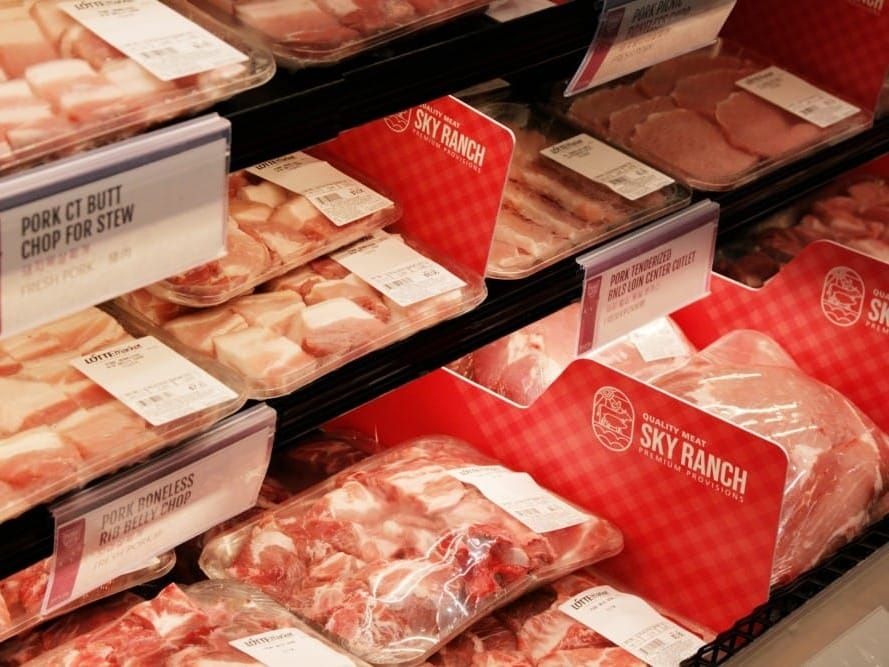
The products were sold under the "Quality Meat Sky Ranch Premium Provisions" brand. They were produced between Dec. 1, 2025 and Apr. 6, 2026.
This means you could have picked up a package or two a few months ago, stored them in your freezer, and then forgotten about them. They were in 1.5-pound clear plastic containers.
They were sold in Florida, New Jersey, Maryland, and Virginia in several retail locations, which doesn't really narrow it down much.
Best to throw out the meat
This is a case of the classic saying "it's better to be safe than sorry." Even though this isn't a full-blown product recall, and there haven't been any confirmed reports of illness, you are taking a chance eating it if you have an allergy to sesame.
The experts are telling shoppers to be cautious and throw the product out.
At least you won't have to worry about accidentally buying more of these products. They are no longer being sold.
Always be aware of product alerts
This product warning is yet another reason consumers need to stay informed and be aware of what they're eating. You can always check the USDA website to scroll through the latest product alerts and recalls.
Sources: USDA, Consumer Affairs