Study links common sugar-free sweetener to higher blood clot risk

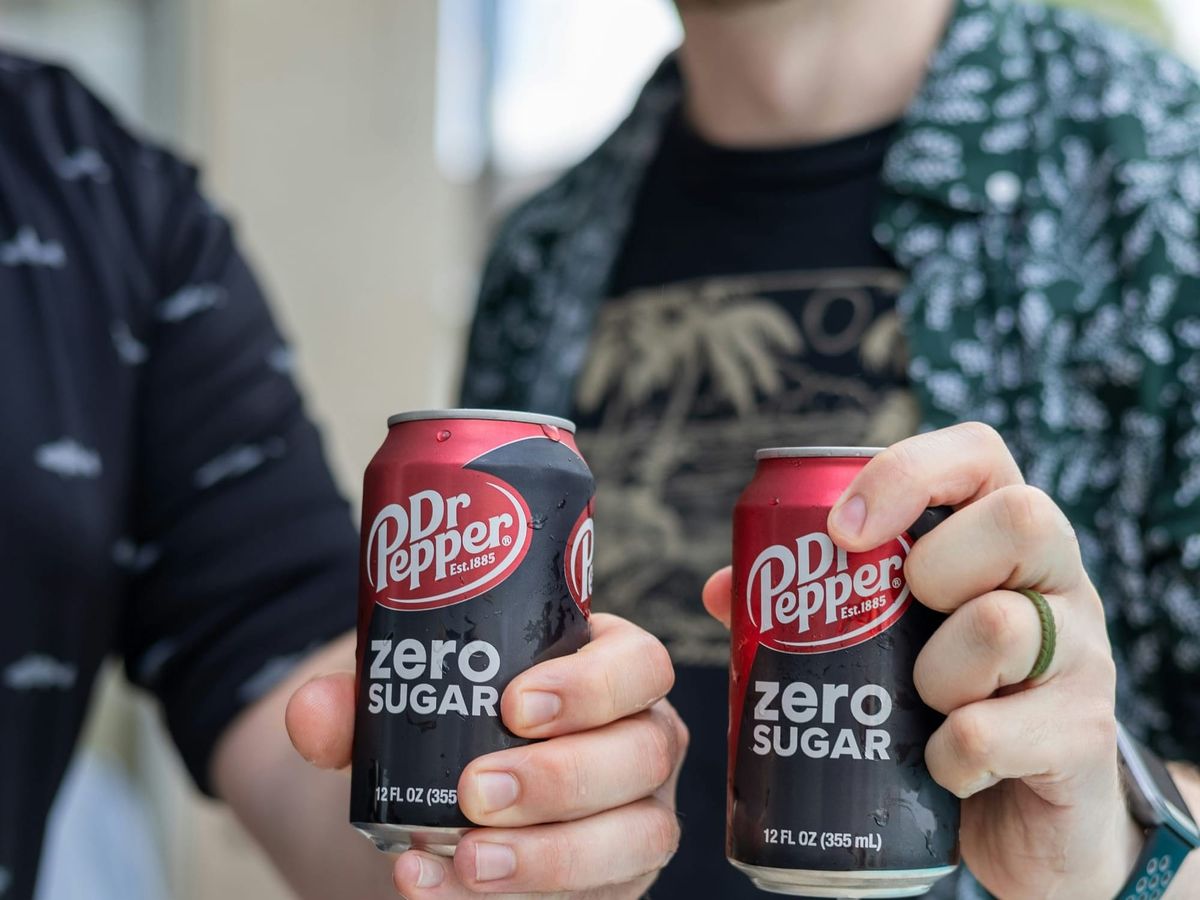
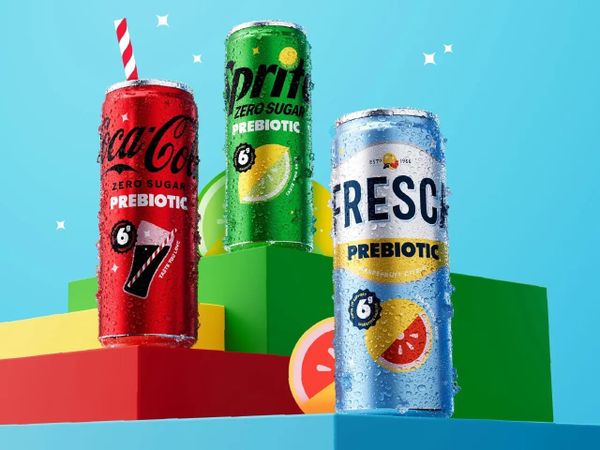
You know those “guilt-free” snacks that promise all the sweetness without the sugar crash? Protein bars, zero-sugar drinks, keto desserts, “natural” sweetener blends like stevia and monk fruit. The promise is simple: all the sweetness, none of the guilt.
But that is in doubt now, as a new study suggests one of the most common sweeteners behind those products – erythritol – could be doing more in your body than advertised.
Erythritol could affect your blood vessels and how your body handles blood clots
Scientists at the University of Colorado Boulder looked at how erythritol affects cells that line blood vessels in the brain. When these cells were exposed to an amount of erythritol similar to what you’d get from a single zero-sugar drink, blood vessels showed signs of constriction instead of relaxation.
Furthermore, compounds that help widen vessels dropped while compounds that tighten them increased.
The researchers also looked at how the body forms and breaks down blood clots, something that directly connects to stroke risk. They found that erythritol reduced the production of a compound that helps break down clots.
At the same time, the study found erythritol makes it easier for clots to form. Put simply: your body may be less efficient at clearing and preventing clots when erythritol is present.
This is very concerning, as blood clots in the brain can lead to strokes.
This connects to earlier research linking erythritol to heart attack and stroke risk
This isn’t coming out of nowhere. A study from 2023 had already found that people with higher levels of erythritol in their blood were more likely to experience heart attacks or strokes within a few years.
At the time, it raised eyebrows. Now, this newer research is starting to explain how that might actually happen inside the body
Should sugar-free products be avoided too?
Before you swear off everything labeled “zero sugar,” there is an important wrinkle. Your body naturally produces erythritol. And it tends to produce more of it when dealing with things like obesity, diabetes, and insulin resistance.
So when researchers see high levels of erythritol in the blood, it’s not always clear where it’s coming from. Is it diet? Or is it your body responding to underlying conditions? That part is still up for debate.
In any case, the researchers themselves aren’t saying “never consume erythritol again.” But maybe don’t treat it like it’s completely risk free. Given this new information, sugar-free is more like a trade-off, not necessarily the safe option.
And if you regularly drink zero-sugar beverages, stack multiple protein bars a day, and rely heavily on low-calorie alternatives, you might want to lay back. Because the study only tested what amounts to a single serving and a lot of people consume way more than that.
Source: Gizmodo