Scientists find no proof that smartphones ruin kids' brains

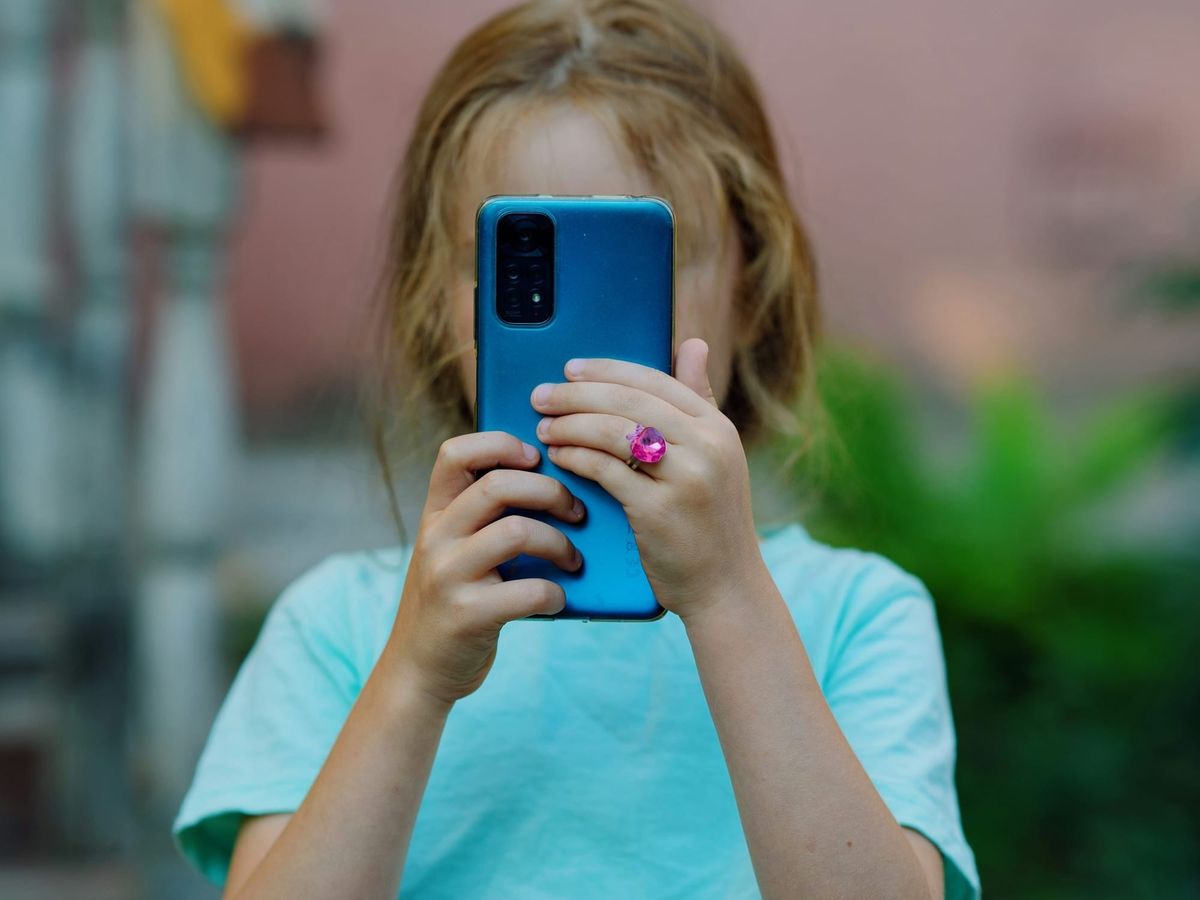
Kids are spending more time on phones. Social media is everywhere. Attention spans seem shorter. Therefore, smartphones must be damaging young brains, right? Not so fast. A group of three neuroscientists appearing before UK lawmakers this week delivered a much less dramatic conclusion that there is little evidence proving that smartphones or social media directly harm children's brain development.
The evidence is not as clear as people think
During a hearing before the UK's Science, Innovation and Technology Committee, the three researchers were repeatedly asked about the effects of smartphones, social media, and digital devices on children. What evidence shows digital devices are affecting children's brains?
According to Professor Denis Mareschal of Birkbeck, the University of London, there is very little research that proves cause and effect. As pointed out by the neuroscientists, most existing studies show correlations rather than direct cause-and-effect relationships. This means researchers can observe that two things happen together, like heavy phone use and lower well-being, but they can't confidently prove one caused the other.
Why teenagers can't just put the phone down
Now, this wasn't a room of researchers declaring phones harmless. In fact, they expressed concerns about how digital technology fits into childhood. Professor Sarah-Jayne Blakemore of University of Cambridge pointed out that adolescence is a period when reward-seeking parts of the brain are highly active while self-control systems are still developing. That's one reason social media can feel especially compelling to teenagers. As many adults already know, putting down a phone isn't always easy.
Not all screen time is the same
The scientists also pushed back on the idea that every digital experience belongs in the same category. A video call with grandparents is not the same as endless algorithm-driven scrolling. Educational apps aren't the same as doomscrolling TikTok or other social feeds.
As pointed out, lumping everything together can make it harder to understand what's actually helping or hurting children.
Science can't tell us the ‘right age’
One question lawmakers hoped neuroscience could answer is exactly what age kids should be allowed on social media.
However, the researchers could not provide a number. According to Blakemore, brain development varies enormously between individuals, making it impossible to identify a universal safe age based purely on neuroscience.
Source: The Register