Popular car maker hit with class-action lawsuit over faking self-driving features

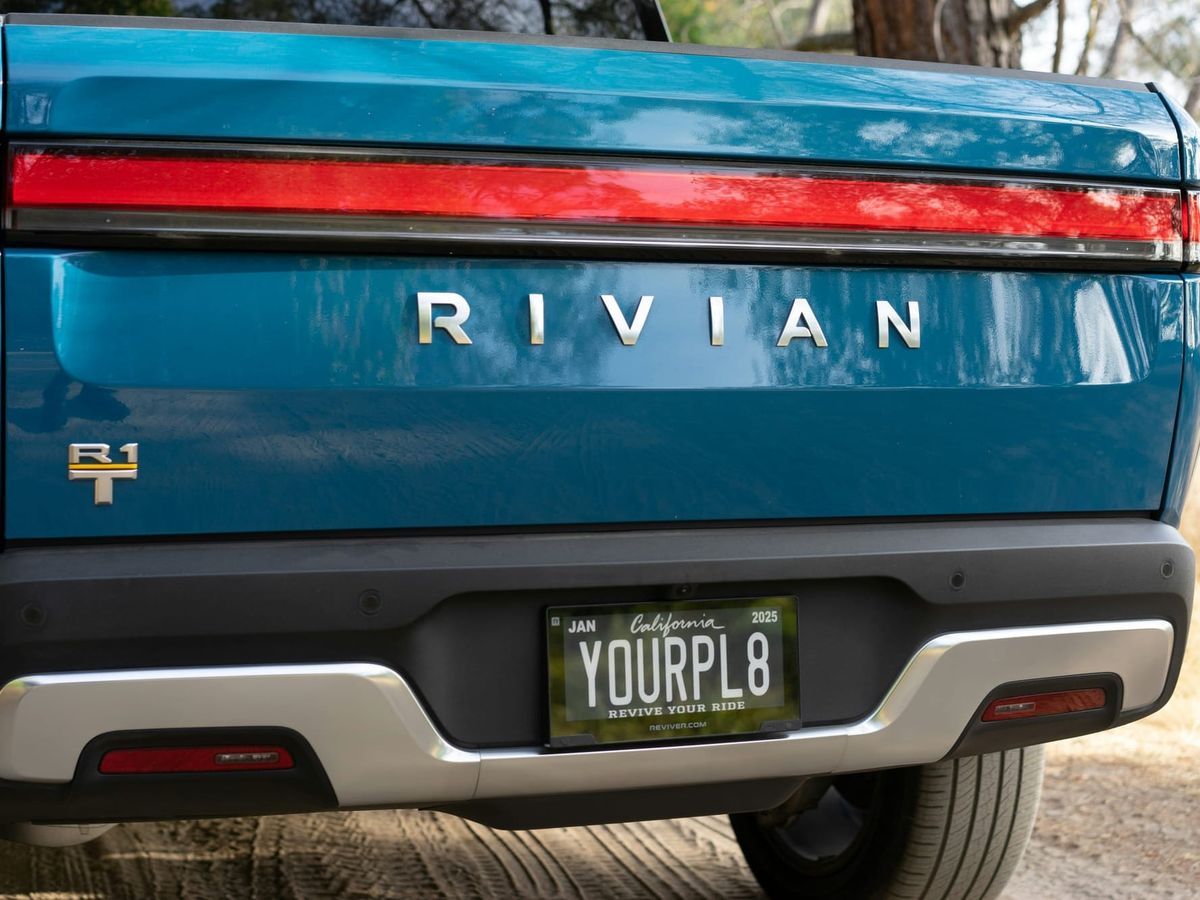
Buyers are increasingly purchasing vehicles with the expectation that future software updates will unlock new features over time. But buying a vehicle with future-ready tech is one thing. Finding out that future might never arrive is another.
Now, some Rivian owners are arguing that the future they were promised was never actually possible. A new class-action lawsuit accuses Rivian of overstating the self-driving potential of its first-generation vehicles.
According to the lawsuit, owners of first-generation R1T trucks and R1S SUVs say Rivian marketed those vehicles as being capable of eventually reaching advanced hands-free driving capabilities. The plaintiffs claim Rivian represented that the vehicles would be able to support Level 3 autonomous driving, a significant step beyond today's driver-assistance systems. Level 3 autonomy generally allows a vehicle to handle steering, braking, and acceleration under certain conditions without constant driver input.
The lawsuit argues that customers purchased vehicles believing those capabilities would arrive through future software updates. Plaintiffs now say that first-generation R1 vehicles allegedly lack the cameras, sensors, computing power, and other components necessary to ever support the level of autonomy Rivian discussed. In other words, the lawsuit claims no future update can unlock a feature if the physical hardware needed to run it isn't there.
Per the complaint, Rivian knew those vehicles would never be capable of "true hands-free driving" but continued promoting that possibility anyway.
Why this became an issue now
The lawsuit arrives as Rivian pushes deeper into its next generation of vehicles and software. Late last year, the company introduced its "universal hands-free driving" technology. However, the feature was rolled out for Rivian's newer vehicle platforms, including the R2 lineup and second-generation R1 models.
That distinction matters in the case, as it raises the question: why can newer Rivians support the technology if older vehicles were supposedly built with similar long-term self-driving ambitions?
When contacted about the lawsuit, Rivian declined to comment on the pending litigation. The company has not publicly responded to the specific allegations made in the complaint. As with any class-action lawsuit, the claims remain allegations unless proven in court.
Source: Engadget