FDA pauses approval of natural food dyes over arsenic and cancer concerns
Some “natural” food dyes may not be natural after all

For years, “natural food dyes” have been marketed as the cleaner, safer alternative. Now, the U.S. Food and Drug Administration is hitting pause on approvals for some so-called natural food dyes after concerns about arsenic levels, missing safety data, and even potential cancer risks.
Not exactly what you expected from something labeled natural, right? Read on for more understanding of the shocker.
“Natural” doesn’t always mean what you think it means
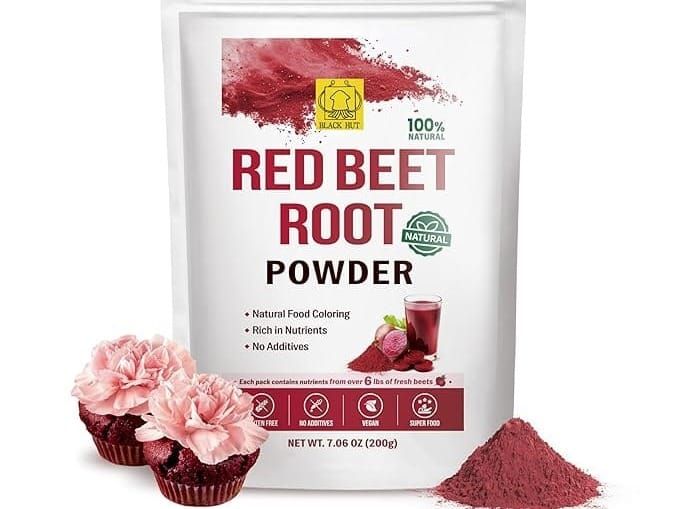
One of the biggest issues here is beetroot red. It sounds like just color from beets. But according to critics, the version being approved isn’t extracted directly from beets. It is produced through fermentation.
Hence, we have arguments from advocacy groups that it could be misleading to call such dyes natural, especially if the final product behaves more like a synthetic dye.
Aside from beetroot red, spirulina extract raised a different kind of red flag. But the issue here is about what might come with it.
According to objections raised by Obelisk Tech Systems, the FDA set acceptable arsenic levels for spirulina far higher than what’s allowed in other foods like apple juice.
In some cases, up to 30 times higher.
That doesn’t automatically mean it’s dangerous. But it does raise questions about how it adds to the total exposure from everything else we eat and drink.
Are we replacing one problem with another?
To be clear, the FDA hasn’t reversed its position.
The agency says these dyes are still considered safe for their intended uses. But it is delaying the rollout and reviewing specific concerns, including lowering heavy metal thresholds for spirulina.
So, this is not a recall or a ban. But there is an irony that cannot be ignored here, as food companies are under pressure to move away from artificial dyes, especially petroleum-based ones. “Natural” colors are supposed to be the solution.
But if those alternatives raise new questions about safety or transparency, it complicates the whole transition.
And for consumers, it creates a weird middle ground where “artificial” is being phased out, “natural” isn’t always straightforward, and labels don’t always tell the full story.
Source: FoodDive