Ex-Amazon employee slashes tires on 29 delivery trucks

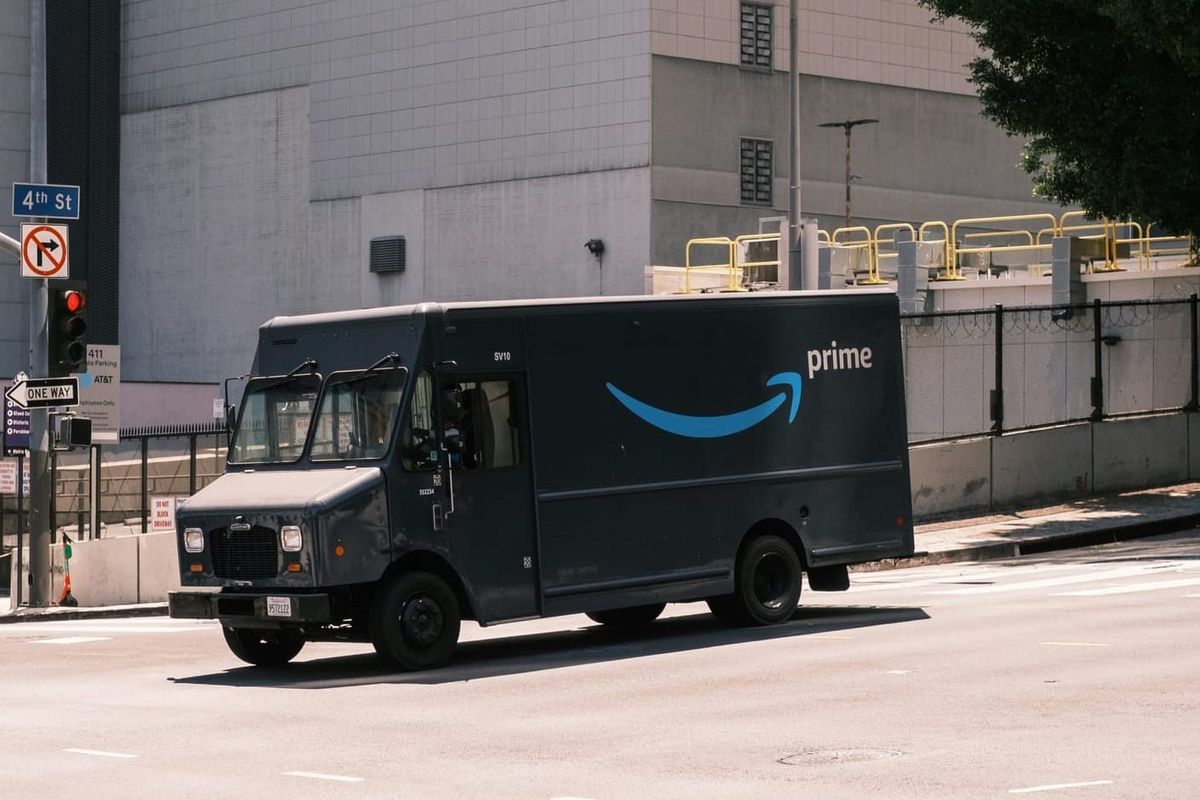
A former Amazon employee in Florida is accused of going full revenge mode overnight, slashing tires on nearly 30 delivery vehicles and then tossing stolen key fobs into a river.
According to the Lee County Sheriff’s Office, deputies were called to an Amazon facility after someone damaged 29 delivery vans parked at the site. The vehicles reportedly had slashed tires, punctures to their bodies, and missing key fobs.
Not one or two key fobs, either. Twenty-three of them.
Authorities say it didn’t take long to identify a suspect. License plate reader cameras reportedly placed 22-year-old Anthony Gillio, a recently fired employee, near the facility around the time of the incident.
From there, things got even more cinematic. Investigators say Gillio tried to dump evidence into the Caloosahatchee River, including key fobs, gloves, and a knife.
Detectives actually went into the river looking for them, and video released by authorities showed a detective pulling key fobs out one by one from the riverbed.
Gillio was later arrested and charged with grand theft, tampering with evidence, and criminal mischief.
What stands out here
Modern workplaces are basically built around systems now, from vehicle tracking and key fobs to security cameras and license plate readers. So, even when someone thinks they’re covering their tracks, there’s usually a digital breadcrumb somewhere.
What makes this whole thing hit differently is how dependent modern delivery systems are on tiny pieces of tech most people never think about.
Those key fobs are more than just keys. They are access control, fleet management, routing, and tracking—basically the digital heartbeat of a delivery operation. Losing 23 of them at once is absolutely operational chaos.
Source: NewsNation