Del Monte bankruptcy forces farmers to destroy 420,000 trees

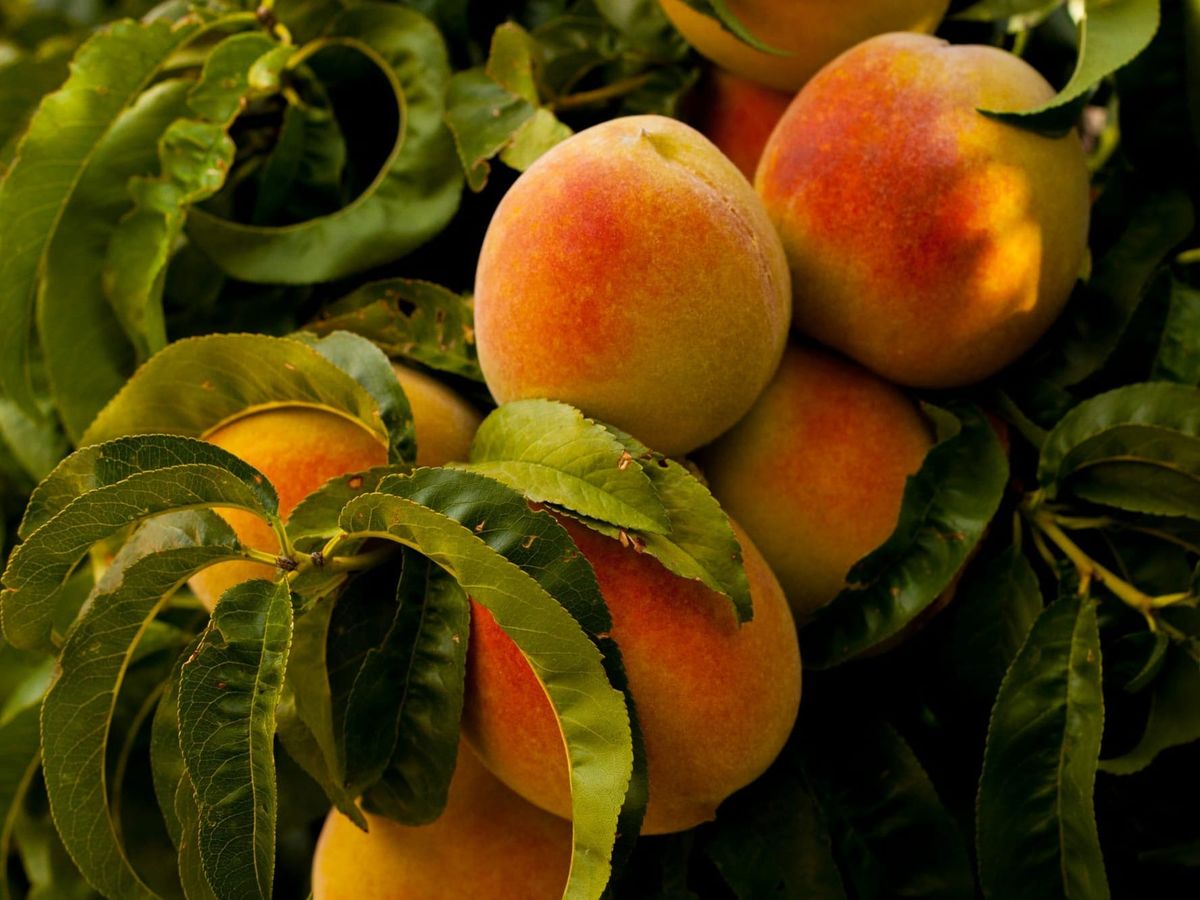
For decades, California peach farmers planted trees knowing they had a buyer waiting for the fruit. Now, many of those same farmers are preparing to rip entire orchards out of the ground.
After Del Monte Foods shut down major canneries following its bankruptcy, growers across Central California have been left with a massive peach surplus and far fewer places to sell it.
The result could mean the destruction of roughly 420,000 clingstone peach trees across the state.
Why farmers are removing entire orchards
The closure of Del Monte’s Modesto cannery hit especially hard because the facility reportedly processed around 30% to 35% of California’s cling peaches. That made Del Monte one of the region’s biggest buyers.
Without those contracts, farmers are suddenly stuck with huge amounts of fruit and limited options to move it.
For many, keeping the trees no longer makes financial sense. That explains why growers are now considering uprooting about 3,000 acres of peach orchards just to stop future losses from piling up.
Government steps in with cash aid
Given the issue, the government is now paying farmers to tear trees down. The United States Department of Agriculture approved $9 million in federal aid to help farmers remove peach trees and transition to different crops.
According to officials, reducing peach production could help stabilize prices and prevent even larger financial losses across the industry.
California lawmakers pushed heavily for the assistance, arguing that many of these farms are multi-generational operations trying to survive a rapidly changing agricultural economy.
Del Monte’s problems did not happen overnight
Del Monte, a nearly 140-year-old food company, filed for bankruptcy in 2025 after years of financial pressure. One major issue is that consumer habits changed.
People increasingly shifted away from canned fruits and vegetables in favor of fresh produce. At the same time, operational costs rose sharply, including higher costs tied to the imported steel used for food cans.
The company eventually shut down canneries in Modesto and Hughson, leaving long-term farming contracts in limbo. According to bankruptcy filings, those lost peach supply contracts were worth more than $550 million.
Peach farming is not something you can easily pause
One of the toughest parts of this situation is how long these orchards take to build.
Clingstone peach trees can live for around 20 years and take years before farmers start earning meaningful returns. Hence, when contracts disappear suddenly, growers can’t simply pivot overnight. And many alternative crops come with their own risks.
According to farmers, there are no easy replacements. Some growers say switching crops sounds simpler than it actually is.
Alternatives like almonds, walnuts, and prunes all require major upfront investment and years of development. And it’s all at uncertain pricing.
One California farmer told local media that even crops considered more stable can take seven to eight years before generating reliable income.
So, while federal funding may help remove the trees, rebuilding financially is a much longer process.
The pressure is really on farmers
This Del Monte collapse is landing during an already difficult period for U.S. agriculture.
Farmers are also dealing with rising fertilizer costs, drought conditions, and water shortages. They also have to navigate tariff-related expenses and global supply disruptions.
All of that is making it harder to predict which crops will actually remain profitable long-term.
Growers have a lot to deal with as they lose this season’s harvest after decades of planting, maintaining, and building contracts around those trees. Now, replacing them could take nearly a decade to pay off.
Source: Fortune