Applebee’s makes major change to dining room service

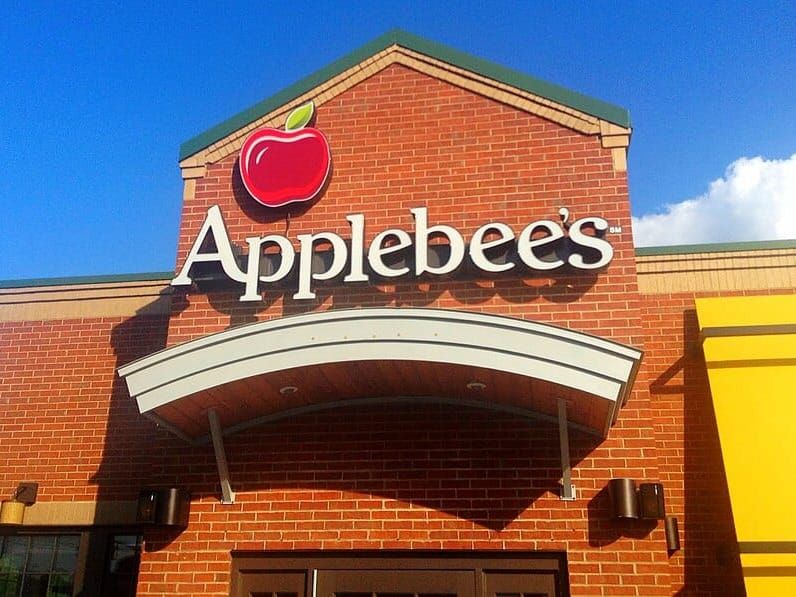
Applebee’s thinks the secret to keeping price-sensitive customers coming back is managers walking around more. Managers at the chain of restaurants are being told to spend less time in the back office and more time out on the dining room floor.
The decision is tied to the belief that customers enjoy their experience more when they actually see a manager during their meal.
Why Applebee’s is changing the way managers work
According to the company, customer surveys showed that people who saw or interacted with a manager during their meal consistently reported having a better experience. And it’s not because the manager did something huge. Sometimes just being visible mattered.
The idea is that when managers are actively walking the floor, they can spot problems faster, help frustrated customers immediately, coach employees in real time, and keep service running smoother overall.
Instead of fixing issues after the fact, Applebee’s wants managers catching them while they’re happening.
The chain had to redesign operations to make this work
Moving managers into the dining room sounds easy until you remember how much restaurant management happens in the back. There’s scheduling, inventory, kitchen coordination, computer systems, administrative work, and a whole lot of other things to put in place.
So Applebee’s is making operational changes behind the scenes to free managers up. That includes simplifying kitchen workflows, redesigning display systems, giving managers more mobile data access, and rolling out a new point-of-sale system from Toast.
The goal is to make managers less tied to office tasks and more available to guests.
A trend is brewing
Applebee’s isn’t the only chain moving in this direction, as a lot of casual dining chains are starting to rethink service in one way or the other.
For instance, Outback Steakhouse recently reduced how many tables each server handles so staff can pay more attention to guests. First Watch, on its end, made the decision to give managers flexibility to occasionally surprise customers with free items or drinks.
It appears there is a memo on how people want a better experience alongside cheaper food. For years, chains competed mostly on discounts, value menus, promotions, and portion sizes. But customers have become more selective about where they spend money.
If someone’s going to sit down for dinner instead of ordering delivery, they want the experience to feel worth it.
Industry data seems to back that up too.
According to Technomic, restaurant brands that invested heavily in service and operations reportedly grew eight times faster than the industry average last year.
With a lot of dining experiences feeling heavily automated (QR code menus, app ordering, and self-checkout systems), Applebee’s leaning back into visible human service feels almost old-school. But that may be exactly what causes it to stand out.
Source: Rollingout