Walgreens releases updated list of store closures of 2026

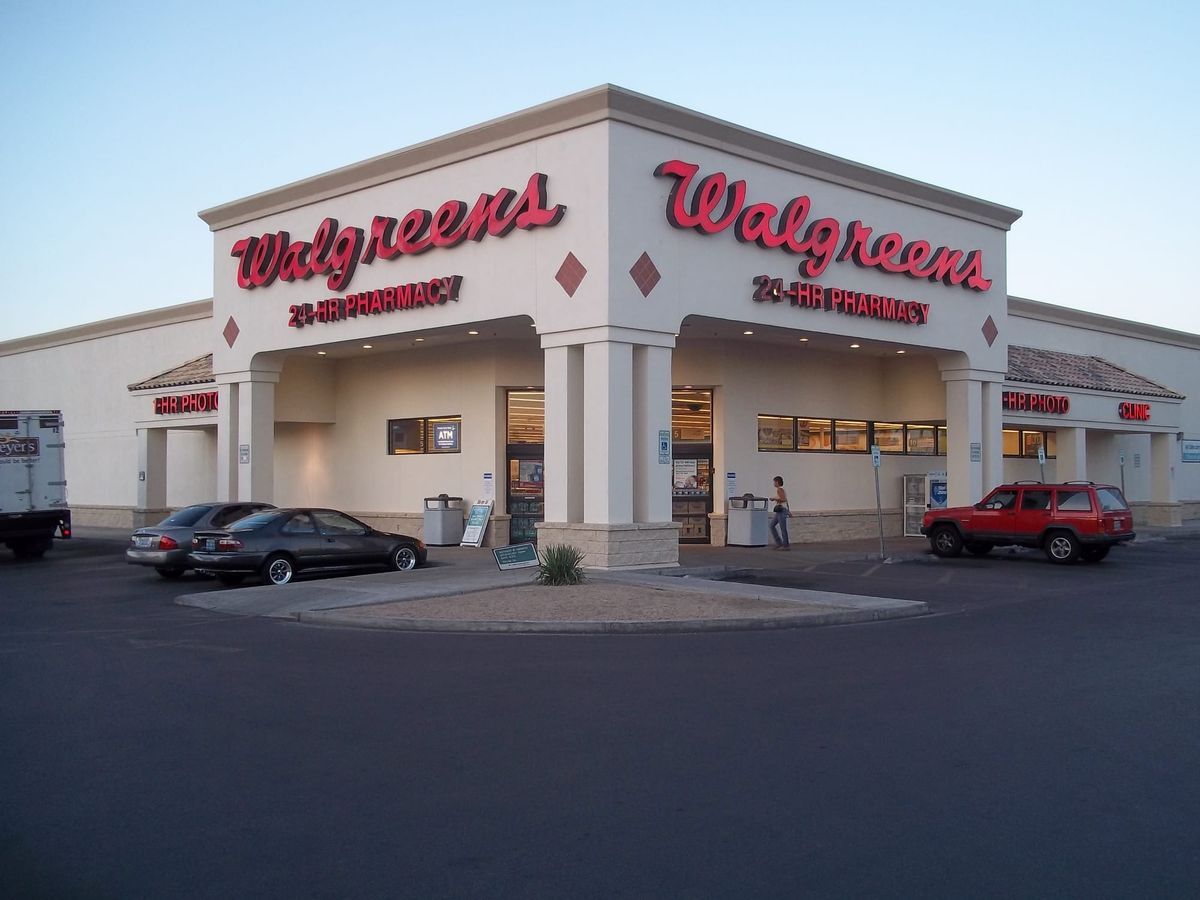
If you've walked up to your local Walgreens lately only to find the lights off, it should not be a shock to you. Walgreens is still shrinking its massive retail footprint in 2026. But there is good news, as the pharmacy giant is now closing far fewer stores than it originally planned.
That’s good news for customers who rely on Walgreens for prescriptions, last-minute snacks, or the inevitable 10 p.m. toothpaste emergency. Still, the company is saying goodbye to locations across the country as it tries to become a leaner, more profitable business.
Walgreens hit the brakes on its downsizing
Back in 2024, Walgreens announced plans to close roughly 1,200 underperforming stores over three years, with about 500 closures initially expected as part of the effort. Then came a major shake-up.
After going private in 2025, the company's new owners scaled back those plans. Instead of closing hundreds more stores this year, Walgreens now expects to shutter fewer than 100 locations in 2026.
Why Walgreens stores are still closing
There's no single reason a Walgreens ends up on the chopping block. Some stores simply aren't bringing in enough business. Others are dealing with expiring leases that no longer make financial sense to renew. In some markets, Walgreens is consolidating operations to reduce costs, while certain locations have struggled with persistent theft and safety issues that have made them increasingly expensive to operate.
The company's strategy is not about exiting the pharmacy business altogether. With more than 8,500 stores nationwide, Walgreens remains the second-largest pharmacy chain in the United States. But executives say they are trying to focus resources on stores that perform better while eliminating locations that have become difficult to sustain.
The Walgreens stores that have closed in 2026
So far, confirmed closures have been reported across California, Florida, Illinois, Missouri, New York, South Carolina, Texas, Virginia, Washington state, Washington, D.C., and Wisconsin.
In California, Walgreens closed its location at 1301 Market Street in San Francisco, while in Florida it closed a store at 12041 Palm Beach Boulevard in Fort Myers.
Illinois has seen several closures, including stores at 2351 E. 71st Street and 8628 S. Cottage Grove Avenue in Chicago as well as stores at 5503 E. State Street in Rockford and 108 Wilmot Road in Deerfield. The Chicago closures come after years of challenges for some locations, including reduced operating hours, safety concerns, and community frustration over pharmacy access.
In Missouri, the pharmacy chain closed stores at 11404 St. Charles Rock Road in Bridgeton and 2202 Chambers Road in St. Louis. New York also lost a location, with the company closing its Walgreens at 120 Court Street in Brooklyn.
Other stores affected in the closures include the company’s stores at 1294 Ribaut Road in Beaufort, South Carolina; 1805 Greens Road in Houston, Texas; 1815 Connecticut Avenue NW, Washington, D.C.; 1301 S. Joyce Street, Suite D3 in Arlington, Virginia; 2400 S. Jackson Street in Seattle, Washington; and 2727 W. North Avenue in Milwaukee, Wisconsin.
Retail stores aren't the only ones affected
The downsizing extends beyond neighborhood pharmacies. Walgreens has also been shrinking its operational footprint, including closing a roughly 500,000-square-foot distribution center in Houston as part of a plan to streamline its logistics network.
It's another sign that the company is rethinking how it operates behind the scenes—not just where customers pick up prescriptions.
For most shoppers, nothing changes unless their local Walgreens happens to be on the closure list. If it is, prescriptions are typically transferred to another nearby Walgreens or another pharmacy, and customers are notified about where to pick up future medications.
Source: Inc.com