Education Department sued for damaging borrower credit scores

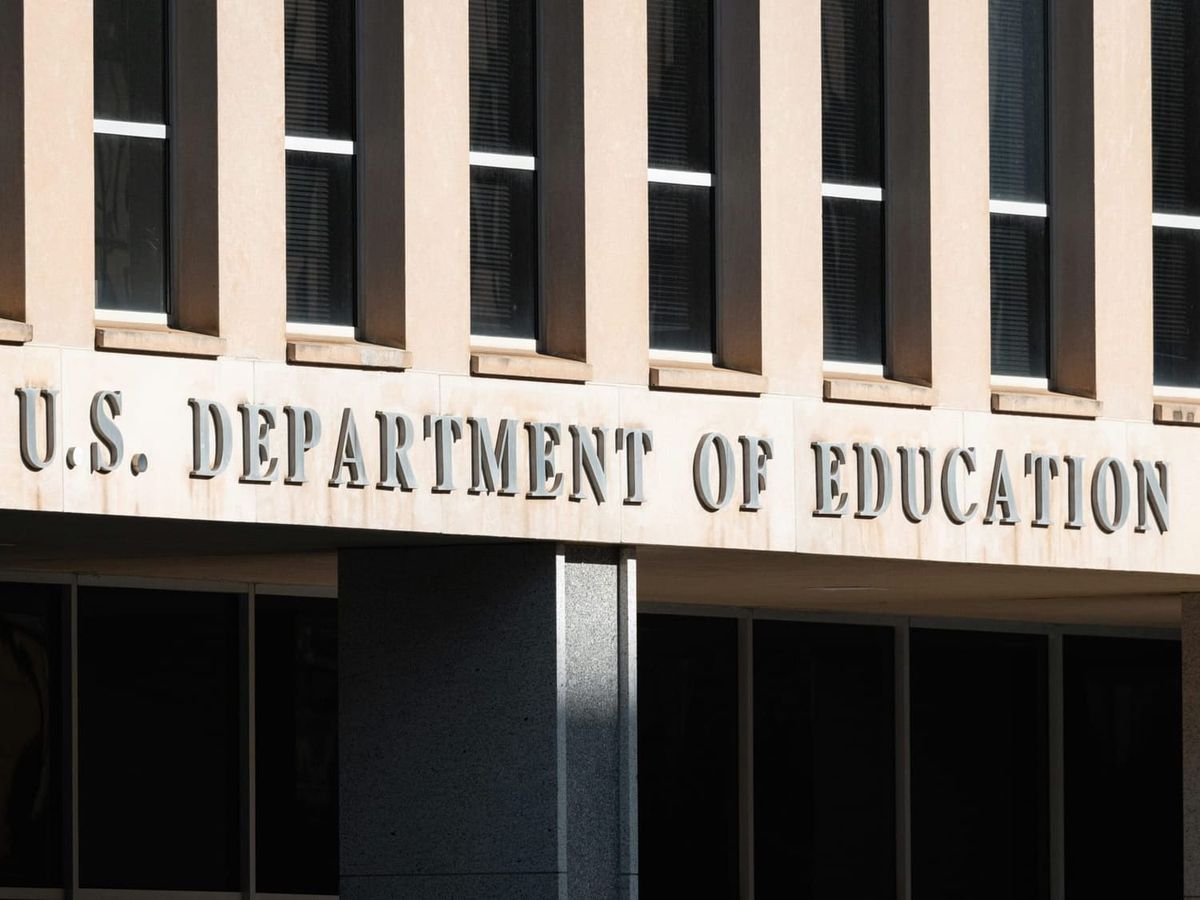
Imagine being told you no longer owe your student loans, only to discover that your credit report still says you do. That’s the problem at the center of a new class action lawsuit against the U.S. Department of Education, which allegedly kept reporting certain discharged student loans as active debt.
The lawsuit claims the department has left borrowers dealing with inaccurate credit reports that could make it harder and more expensive to borrow money, rent a home or access other opportunities that depend on credit checks.
The loans were forgiven, so why are they still showing up?
According to the 28-page complaint, the Education Department granted group discharges for certain federal student loans between April 2022 and January 2025. The relief applied to former students of specific for-profit educational institutions where authorities had identified apparent widespread fraud and misconduct.
For affected borrowers, the discharge meant they had no present or future obligation to repay qualifying loans. The department reportedly told them they didn't need to take any action to receive the relief. But the lawsuit alleges that some of those same loans continued to appear on credit reports as outstanding balances that were still accruing interest.
To put things into perspective, we are not necessarily talking about a forgotten $200 bill. The complaint says credit reports for some borrowers include tens or even hundreds of thousands of dollars in debt they were told they would never have to repay.
How bad credit data can make real life more expensive
Credit reports are not just numbers banks look at when someone applies for a credit card. Lenders may use them when evaluating mortgage and auto loan applications, and the information can affect the interest rates and terms borrowers receive.
The complaint also argues that inaccurate credit information can affect housing opportunities, employment decisions and security clearances. In other words, a debt that should no longer exist on paper could still create problems when someone tries to buy a car, secure an apartment or qualify for a mortgage.
The lawsuit accuses the department of violating the Fair Credit Reporting Act (FCRA), a federal law that requires consumer credit information to be accurate and provides a process for addressing errors.
Borrowers say they tried to fix the problem
The plaintiffs allege that they didn't simply sit back and let the errors remain. According to the complaint, they notified major credit reporting agencies about the allegedly incorrect loan information. They also provided the department with evidence that the debt had been legally extinguished, including individual discharge notices where available and proof that they attended schools covered by the relief decisions.
Despite those efforts, the lawsuit claims the department failed to correct or update the affected credit reporting. Under the FCRA, inaccurate information must be corrected, deleted or blocked from being reported when the law's requirements are met. The case argues that continuing to report these discharged loans as outstanding debt violates those obligations.
Of course, these are allegations in a lawsuit, not a final court ruling. The claims still have to make their way through the legal process.
Who could be covered by the lawsuit?
The proposed class includes people in the United States and its territories who had qualifying federal Direct Loans or Federal Family Education Loans covered by one or more of the department's group discharge decisions, but whose loans were still reported to credit agencies as having an outstanding balance.
The proposed coverage period begins two years before the complaint was filed and runs until the court issues a class certification order. The court would need to certify the class before the case could proceed on that basis.
Source: Class Action.org