Target workers are furious over new uniform rules
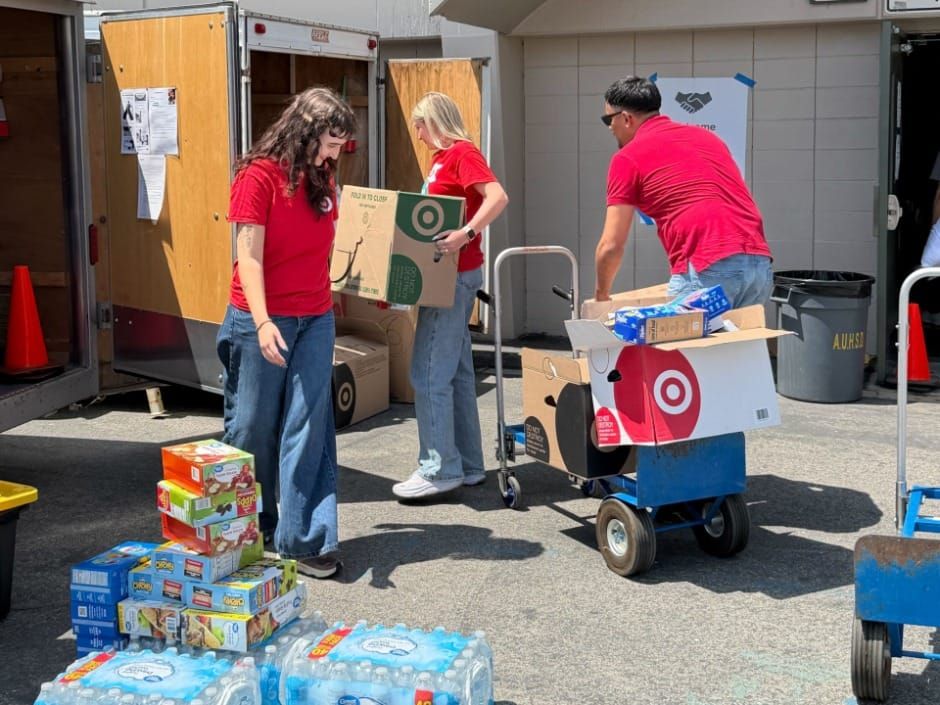
Target takes aim at the employee dress code by implementing new rules, and so far it's caused a lot of waves. Many employees are speaking out, saying the new uniform not only looks silly, but also gets in the way of them doing their jobs.
Is the dress code helping?
A dress code is normal for retailers. It makes it easy for customers to spot employees and keeps everything looking professional. The new dress code at Target, however, has left people wondering if it's helping or hindering employees.
Those working in the food and beverage departments will need to wear branded aprons and hats during their shift. The dress code takes effect Nov. 1. Employees are already speaking up on social media about how the aprons and hats look. The apron in particular is getting a lot of heat online.
Employees say it can get in the way when unpacking boxes, stacking products on shelves and pushing pallet carts around.
Employees can choose what style of hat to wear
One area of leniency is the hat. Employees can choose between a hat or a visor, whatever is more comfortable for them. The uniform is branded with the Good & Gather logo, which is Target's private-label food brand.
Target is explaining the new uniform as part of the retailer's strategy to "elevate the guest experience". The idea is that employees will be easy to identify.
Target is looking to turn the ship around
Target is going through somewhat of an overhaul right now, as it looks to turn things around. The past three years have been highlighted by weak sales, and the retailer is looking for ways to boost them.
Merchandise, technology and the in-store experience are the focus for the retailer, according to Chief Executive Michael Fiddelke.
Watch for the uniform rollout
Don't be surprised to see the new uniforms in your local Target in just a few short weeks.
Source: New York Post