Trump pledges a new golden age of US space travel
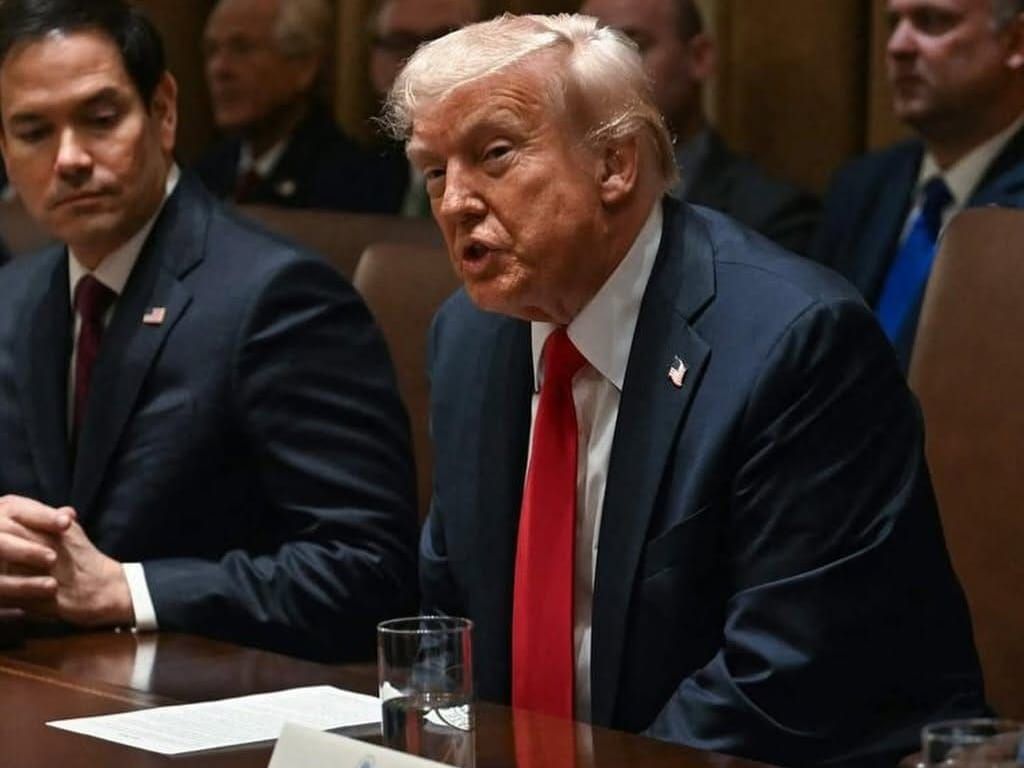
The "golden age" of space travel could be before us, at least according to US President Donald Trump. The President pledges to increase the number of rockets going to space in an effort to increase space travel to the Moon and Mars.
So much left to discover
The sheer vastness of space is hard to even wrap your head around, so it's no surprise that there's still so much to learn and discover. A golden space age is enough to get many people excited.
Part of the push to increase space travel is the race to land astronauts on the Moon before 2030, beating China's schedule.
Breaking down the specifics
The administration's official policy is to "reinvigorate America’s leadership in space transportation."
It goes even further and lays out the goal to have more than 1,000 launches and re-entries on US soil every year by 2030. Considering that's not even 3.5 years from now, there's a lot of work to be done.
The administration announced it will “facilitate commercial transportation to and from the moon, to facilitate commercial robotic access to Mars, and to explore commercial avenues to send humans to and from Mars.”
A lunar base in the works
NASA is currently working on establishing a lunar surface base meant for humans to use for research and exploration. It will use robotic vehicles to build the infrastructure.
The space agency's goal is to test an in-orbit rendezvous with a lunar lander and a spacecraft sometime in 2027.
To help get the ball rolling, President Trump is encouraging private investment. It's no surprise that Jeff Bezos and Elon Musk are currently racing against each other to create spacecraft capable of reaching the Moon.
All eyes on space
For those with an interest in space and space exploration, it looks like the next few years could prove very exciting and illuminating.
Source: The Straits Times