Subway operator with 43 stores files for bankruptcy

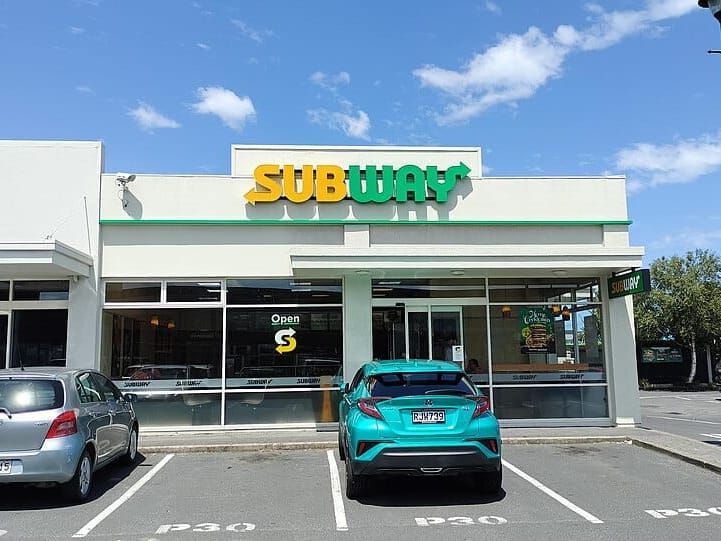
Another major fast-food franchisee is hitting financial trouble. Affiliates of MTF Subs, a company that operates 43 Subway restaurants across four states, have filed for Chapter 11 bankruptcy, and at least six locations have already shut down. More closures could be on the way as the company continues reviewing its remaining stores. Let’s look into the development.
Six Subway locations have already closed
Court records show MTF Subs has rejected leases for six restaurants: three in Maine and three in Virginia. The affected locations include Portland, Boothbay, and Blue Hill in Maine, as well as Williamsburg (two locations) and Chincoteague in Virginia. Most of these restaurants are now listed as "temporarily closed" on Google Maps, while Subway's own store locator still shows the locations without operating hours.
According to court filings, closing these stores is expected to save the franchisee more than $10,000 a month in lease costs.
More closures could still happen
The six closures may be only the beginning. A bankruptcy judge recently granted MTF Subs until August 19 to decide whether additional store leases should be rejected.
The company told the court it is still evaluating the profitability of its remaining locations as part of its restructuring efforts. This just means more Subway stores could end up on the chopping block.
What pushed the franchisee into bankruptcy?
MTF Subs entered the Subway business in 2017. Founder Michael Fay reportedly started as a Subway "sandwich artist" while in high school before eventually building a portfolio of restaurants across Pennsylvania, Maine, Virginia, and New Hampshire.
But bankruptcy filings suggest merchant cash advances became a major problem. Commonly known as MCAs, merchant cash advances allow businesses to receive cash upfront and repay it through a percentage of future sales. For struggling restaurants, they can provide quick access to money. They can also become extremely expensive.
MTF told the court that daily and weekly withdrawals tied to multiple cash advances became a significant cash drain on the business. At one point, a lender reportedly sought to collect hundreds of thousands of dollars directly from payment processors including Stripe, American Express, and Square.
Subway itself has been shrinking
Subway’s U.S. footprint has been shrinking for years. While the chain remains the largest fast-food chain in America by location count, its domestic store total continues to decline.
According to franchise disclosure documents cited by industry reports, Subway recorded a net loss of 729 U.S. locations last year, bringing its total to 18,773 restaurants nationwide. The company still operates more than 35,000 restaurants globally. Despite the domestic decline, Subway has said global growth has recently resumed after years of contraction. So, the company might not altogether be in trouble after all.
Source: Inc.