Social Security chief promises program is safe for another 90 years

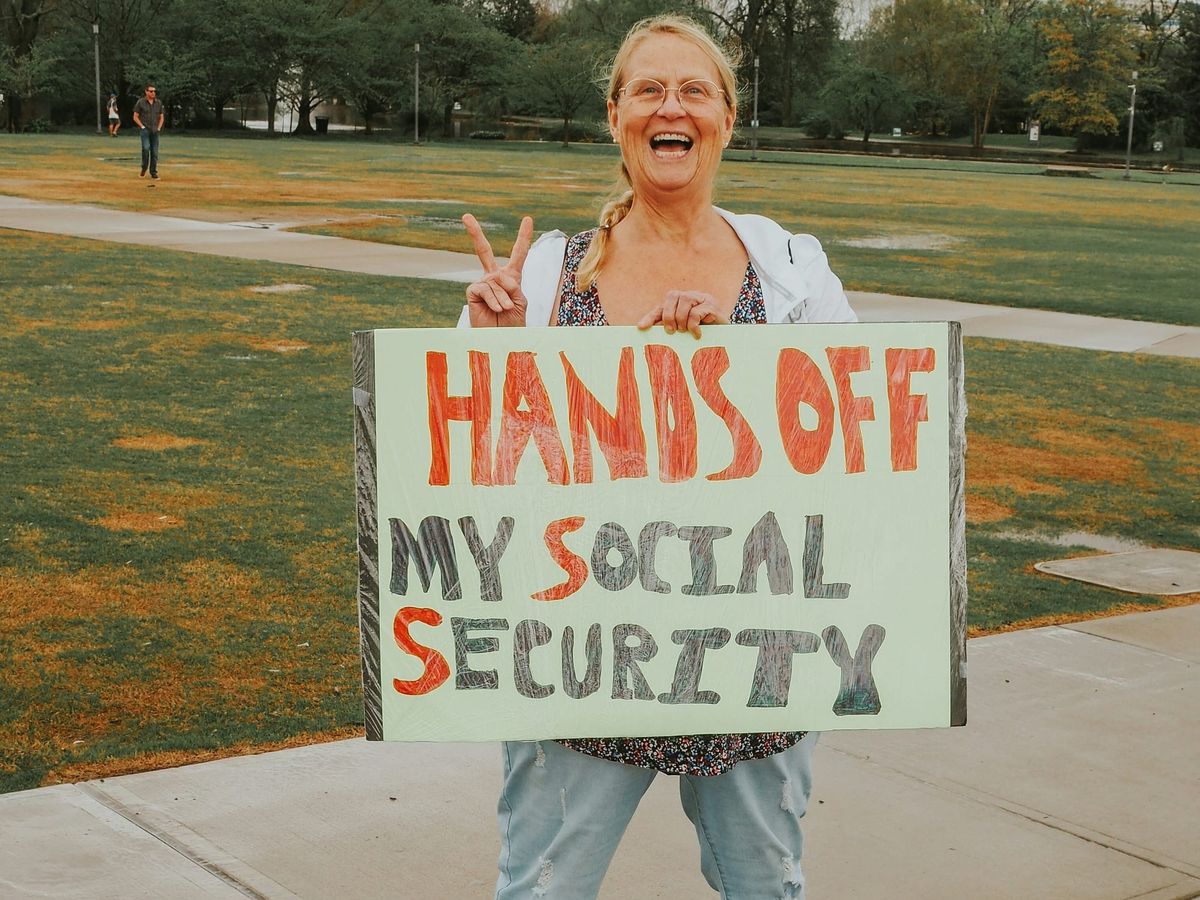
As the Social Security program turns 90, the man currently in charge believes it should make it to 180. Frank Bisignano, commissioner of the Social Security Administration (SSA), made the prediction during an appearance on CNBC's Squawk Box, insisting that the program would continue serving Americans for another nine decades.
“This is a long journey. It’s 90 years old. It’ll be around for another 90 years,” Bisignano said, adding that President Donald Trump's promise to “protect and preserve” the program was guiding the administration's work.
Your Social Security check could get a boost
The immediate news for beneficiaries is the upcoming cost-of-living adjustment, or COLA, which is designed to help Social Security payments keep pace with inflation.
The 2027 adjustment is expected to be 3.5%, according to the Senior Citizens League. Based on the SSA's reported average monthly benefit of $1,941.76 in August, that would bring the typical check to approximately $2,009.72. That's an increase of about $68 a month, or roughly $816 over a full year.
The funding problem is still there
Bisignano's confidence does not erase the financial concerns surrounding Social Security. Earlier this year, the SSA warned that its Old-Age and Survivors Insurance Trust Fund, which pays retirement and survivor benefits, was projected to have enough reserves to cover all scheduled payments only until the fourth quarter of 2032. After that, incoming revenue would cover an estimated 78% of scheduled benefits if no changes were made.
Combining that fund with the Disability Insurance Trust Fund extends the projection, as the combined funds were expected to cover all scheduled benefits until the third quarter of 2034, after which they could pay about 83%.
Those dates don't mean Social Security would suddenly stop sending checks. Payroll taxes and other income would continue coming in. The concern is that, without legislative or financial changes, the program might not have enough money to pay the full amount beneficiaries are owed.
Alternative proposals and stock market risks
President Trump has floated the idea of investing Social Security trust fund reserves in the stock market. He argued that doing so earlier in his presidency could have dramatically increased the fund's wealth.
But stock market investments come with risks, too. Returns are not guaranteed, and a downturn could create new problems for a program responsible for supporting millions of people who can't simply wait for markets to recover.
When asked in the Squawk Box interview whether Americans living longer should mean raising the retirement age, Bisignano acknowledged that questions about the program would continue. However, did not offer a specific funding solution in the interview.
AI is part of the agency's plan
Rather than focus exclusively on changes to benefits or retirement rules, Bisignano has emphasized making the federal agency more efficient. He said the SSA recently removed 30 million erroneous records from its files as part of an effort to improve accuracy and reduce costs. The agency has also digitized Medicare claims processing, with the goal of speeding up routine work.
His other big bet is artificial intelligence. Bisignano believes AI could help bend the cost curve across government operations, and both the SSA and the IRS are expanding their use of the technology.
Bisignano has another big target
The commissioner's ambitions extend beyond Social Security. He's also overseeing the expansion of Trump Accounts, a federal initiative designed to help build wealth for children.
Bisignano cited new Treasury figures showing that 26 million accounts had been funded with more than $8 billion in deposits from families, friends, donors and the federal government. That's nearly double the $4.5 billion figure the White House reported a week earlier.
His stated goal is to reach 70 million enrolled accounts. “I'm running America's largest startup here,” he said.
It is an ambitious target, but the initiative is a separate project from Social Security's retirement and disability benefit system. Its growth does not resolve the latter's long-term funding concerns.
Sources: Fox 5, The Independent