Shoppers could get 10% off for using self-checkout under new bill

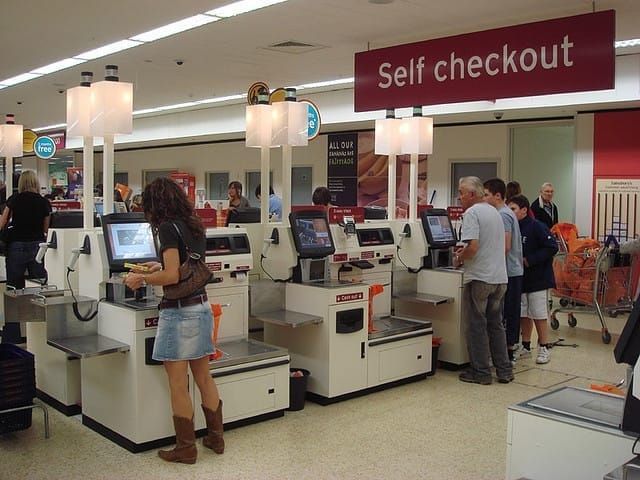
A proposed New York bill would require retailers to give shoppers 10% off when they use self-checkout. The idea is that customers are doing work that cashiers traditionally handled.
New York Assemblywoman Nikki Lucas, who came up with the proposal, argues that retailers have increasingly leaned on self-checkout to cut labor and operating costs. From her perspective, shoppers are now scanning, bagging, and processing their own purchases, essentially doing part of the checkout job themselves. So if stores are saving money, customers should get a piece of that pie too.
In her words: “Retail businesses increasingly rely on self-checkout systems to reduce staffing and operational costs by shifting responsibilities traditionally performed by employees onto consumers.”
The self-checkout practice is seeing a lot of regulation
Most lawmakers around the country are trying to rein in self-checkout through regulation. Several states have introduced proposals that would limit how many self-checkout lanes stores can have and reduce purchases allowed to around 15 items. Some states have required more employees to supervise self-checkout areas.
In places like Rhode Island and Long Beach, California, grocery stores are required to have at least one manually staffed cashier lane for every three self-checkout stations. In the latter, customers are also not allowed to purchase age-restricted items such as alcohol or tobacco using self-checkout. To reduce theft, which retailers say has become a bigger challenge with automated checkout, locked items also have to be checked out by staff.
The law in Rhode Island has a fine attached to it. Stores that do not comply will be required to pay for one full shift at the highest hourly pay rate capped at $1,000 per day. A repeat offense could lead to more penalties.
Other states like Connecticut and Ohio have put regulatory measures in place regarding self-checkout. Whether the proposed New York law ever actually becomes law is another story.
Sources: Kiosk Marketplace, Supermarket News