Scientists find deep space travel accelerates aging in humans

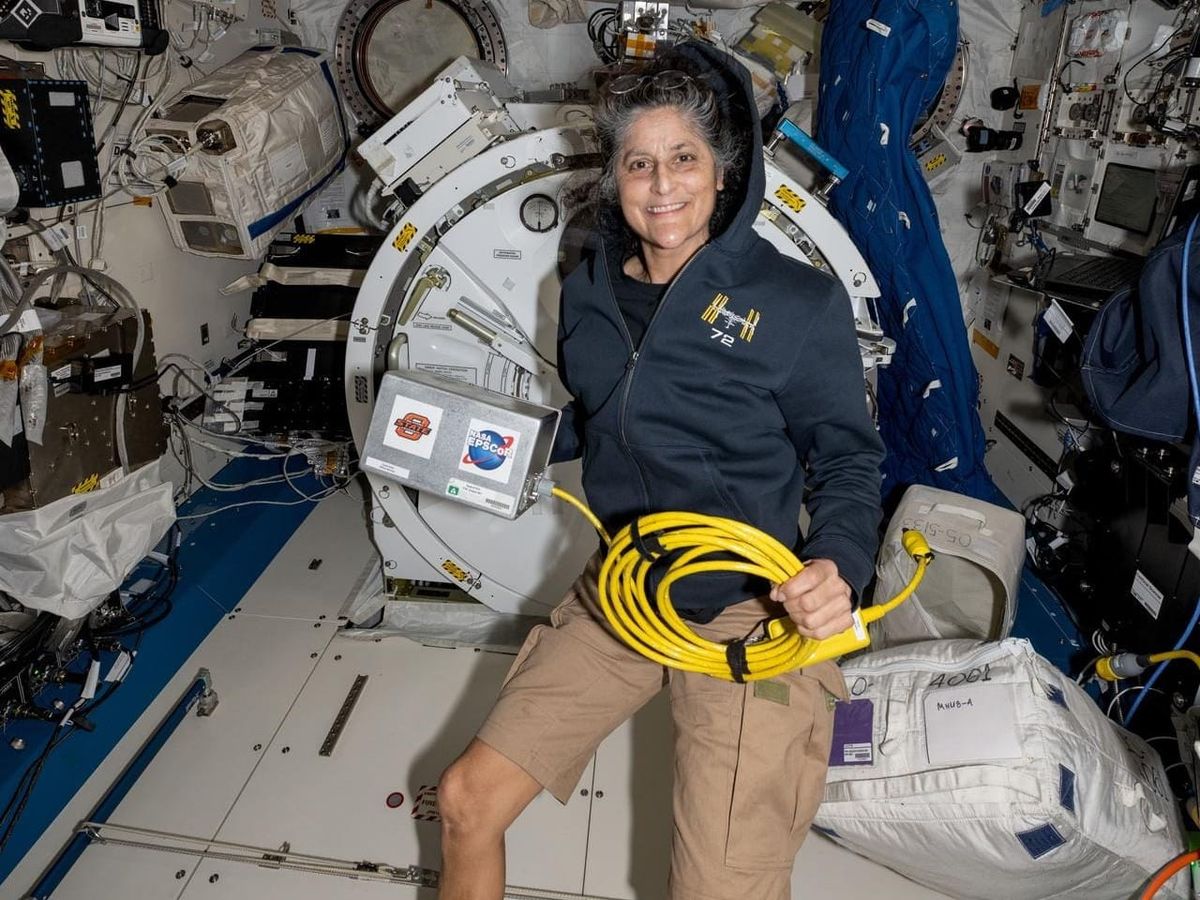
New research suggests deep-space conditions can speed up aging in the human body. Researchers at the University of Central Florida, led by Professor Michal Masternak, wanted to understand what months in deep space might do to the human body.
To recreate what astronauts might experience on a mission to Mars, the team exposed animal models to simulated microgravity, galactic cosmic radiation, and solar particle events inside a laboratory.
Accelerated aging begins within 24 hours
Within just 24 hours of radiation exposure, the liver began showing genetic changes that closely resembled natural aging. Researchers observed increased cellular senescence, where cells stop functioning normally, along with inflammation and fibrosis, two processes linked to age-related organ damage.
The liver was chosen for a reason: because it regulates metabolism and filters toxins, it is often one of the first organs to show physical stress.
Real proof from real astronauts
What makes the findings especially compelling is that they did not stay confined to the lab. The team compared these genetic signatures with blood samples collected during NASA's Twins Study and the Inspiration4 mission, finding striking similarities between the simulated environment and real astronauts.
That gave the research team confidence they were observing genuine biological changes rather than an artifact of the experiment.
This could help people on Earth
Beyond identifying the problem, the study also hinted at a possible solution. Researchers identified molecules known as antagomirs, which can influence microRNA involved in aging and inflammation. While still in the early stages, the discovery raises the possibility that future astronauts could receive treatments to reduce the cellular damage caused by months in deep space.
Using space to solve aging on Earth
But perhaps the most exciting implication has nothing to do with Mars. Studying aging has always been painfully slow because humans simply don't age overnight.
Space appears to accelerate many of the same biological processes, giving scientists a living laboratory where years of aging-related changes can unfold in weeks instead of decades.
That means the technologies developed to keep astronauts healthy on future missions could one day feed directly into therapies aimed at preserving organ function and combating age-related diseases here on Earth. Ironic how humanity's journey to another planet may end up teaching us how to solve human aging on this one.
Source: Universe Today