New York forces Walmart to install silent alarms for workers

Retail workers deal with a lot more than stocking shelves and ringing up groceries these days.
How New York is giving retail workers a silent lifeline
From shoplifting incidents to aggressive customers, safety has become an issue and New York wants stores to be better prepared. Hence, a new state law will require Walmart and other major retailers to install silent emergency response buttons that employees can use to discreetly call for help during dangerous situations.
Think of the silent response buttons as panic buttons designed specifically for retail workers. Instead of dialing for help or trying to get someone’s attention during a tense situation, employees can quietly alert security personnel, supervisors, or managers with the push of a button.
The strict employee thresholds and upcoming deadlines
The law targets large retail employers with 500 or more employees across New York State.
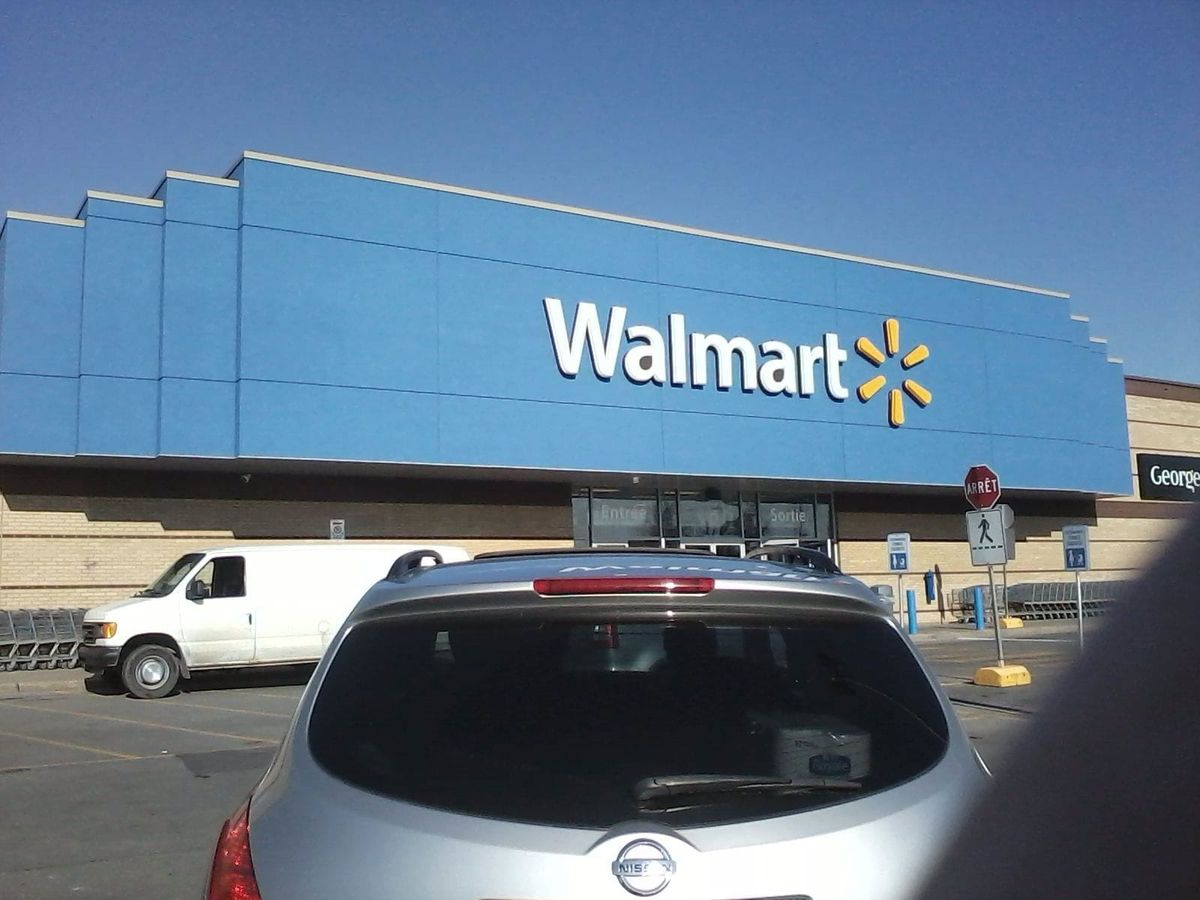
That includes Walmart, which operates well over 100 stores in New York, along with other major retail chains that meet the employee threshold. Those businesses must not only install the buttons but also train employees on how to use them before the Jan. 1, 2027 deadline.
Businesses with 10 or more employees statewide won't have to install the panic buttons. But they aren’t totally off the hook, as they still have new obligations under New York's Retail Worker Safety Act. Those include creating a workplace violence prevention policy and providing employees with violence prevention training.
Workers who believe their employer isn't following the law can file a complaint with the New York State Department of Labor.
Another Walmart change could be on the horizon
The panic button requirement is not the only proposal that could affect Walmart shoppers in New York. A separate bill introduced by Assemblywoman Nikki Lucas would require retailers to offer customers a 10% discount when they use self-checkout.
The idea is that if shoppers are doing part of the cashier's job themselves, they should share in the savings.
According to Lucas, self-checkout reduces labor costs for retailers, and customers deserve compensation for effectively taking on some of that work. The proposal has, however, not become law.
Source: The U.S. Sun