Red Robin is closing up to 50 restaurants nationwide

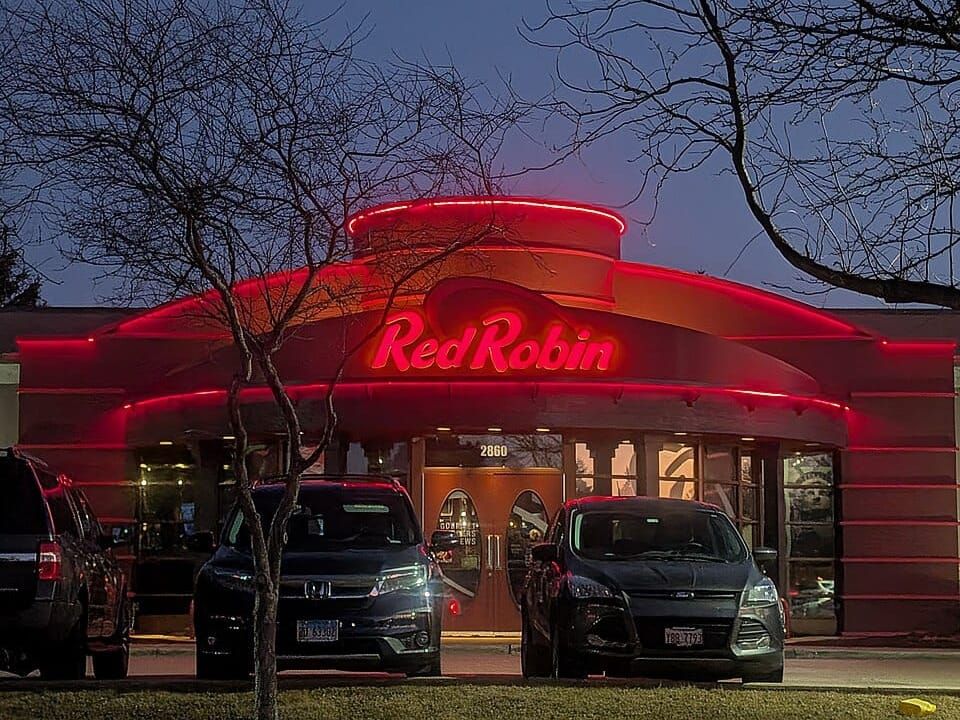
Red Robin is closing more restaurants across the U.S. This isn't a full-blown shutdown, however; it is more like the company hitting the reset button after deciding some locations just are not worth keeping open.
The closures are part of a turnaround strategy
Red Robin has been working through a major turnaround strategy called its First Choice Plan, which launched in 2025. The plan focuses on closing underperforming restaurants, selling company-owned stores to franchise operators, paying down debt and cutting costs.
The latest casualty is a restaurant in Cary, North Carolina, where property was sold to a commercial developer. But that's just one piece of the restructuring.
The initial plan was to close 70 restaurants
Earlier this year, Red Robin said it could close up to 70 locations as leases expired. However, the company says business has improved enough that about 20 restaurants have been taken off the chopping block.
Now, Red Robin expects roughly 20 restaurants to close in 2026, with the possibility that several more could still be added depending on performance. In other words, the closure list isn't locked in stone. The company says it's still evaluating stores. So, some struggling locations could earn a second chance if business improves.
New owners, same bottomless fries
One of the biggest misconceptions is that selling a restaurant means it's disappearing. Not in this case. Red Robin has sold more than 100 locations to franchise operators this year, including large groups of restaurants across multiple states.
So, most of those restaurants aren't closing at all. They are simply changing owners while continuing to serve the same burgers, bottomless fries, and towering onion rings under the Red Robin name.
The numbers actually tell a surprisingly positive story
Despite all the closures, Red Robin says its turnaround strategy is already showing results. The company has paid down more than $20 million in debt and improved profitability. It has also reduced the number of restaurants it originally planned to close.
That does not erase the challenges facing casual dining, but it suggests the restructuring is doing exactly what it was meant to do.
Source: TheStreet