Dairy Queen closes dozens of locations nationwide

From Texas to Alaska, multiple Dairy Queen restaurants have closed after a franchise dispute.
This is not the result of a single nationwide shutdown but a mix of local business struggles and a major franchise dispute that's hit one state especially hard. Let’s look into it all.
Building disputes force massive Texas closures
The biggest chunk of closures happened in Texas, where 42 Dairy Queen locations shut down between February and March.
According to the Austin American-Statesman, the closures followed a dispute between Dairy Queen's U.S. parent company and Project Lonestar, a Texas-based franchise operator.
The company reportedly lost its franchise rights after failing to complete required building remodels. Once those rights were revoked, it could no longer order official Dairy Queen products, forcing the affected restaurants to close.
Longtime franchise owners pack up across the map
The closures weren’t limited to Texas. In Alaska, a longtime franchisee closed three restaurants in Anchorage, Wasilla, and Palmer, leaving just one Dairy Queen still operating in the entire state.
Meanwhile, in Great Falls, Montana, another franchise owner shut down a Dairy Queen after 39 years in business. Rather than retire the location entirely, the owner plans to reopen it as a Mediterranean restaurant, saying he wanted to bring "something fresh and exciting" to the community.
The chain isn't going anywhere but the restaurant business is getting tougher
Despite the recent closures, Dairy Queen isn't disappearing. The chain still operates roughly 7,800 locations across more than 20 countries and continues to expand internationally.
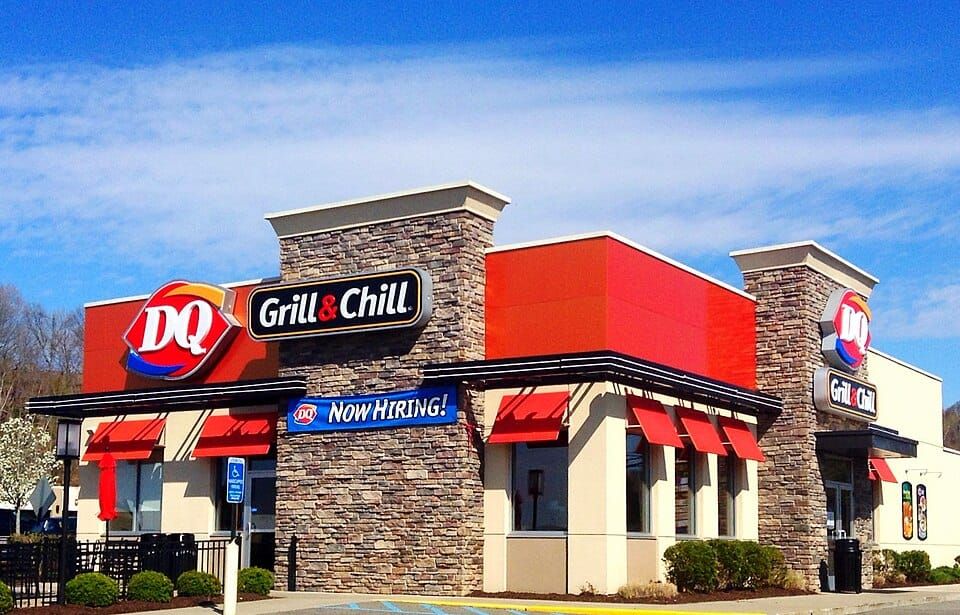
In fact, the company recently announced plans to open 20 new DQ Grill & Chill restaurants in Puerto Rico.
Rising costs and corporate demands squeeze local owners
Still, the closures tell a tale of the chain's struggles and serve as a signal of how difficult the restaurant business has become. Independent franchisees are facing rising operating costs, tougher economic conditions, and increasing corporate requirements.
They have to manage these pressures while trying to keep decades-old neighborhood restaurants profitable. Sometimes, the tradeoff is a familiar local spot disappearing from the map.
Source: Fox Business