Kellogg's will remove artificial dyes by the end of the year

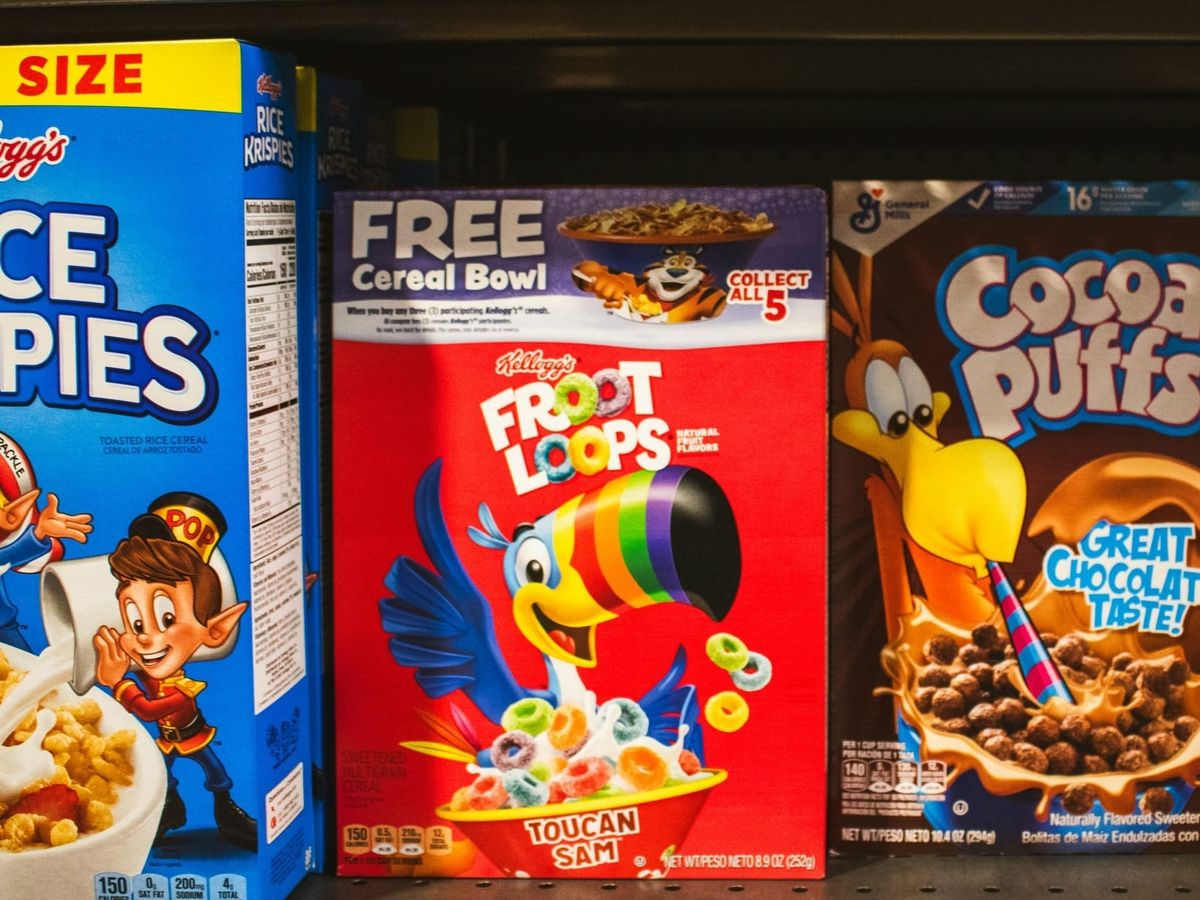
Two years after protesters took to Kellogg’s headquarters in 2024 to push the company to remove artificial colors, the company’s cereals are getting their colors from a more natural source. WK Kellogg says it will remove artificial colors from Froot Loops, Apple Jacks, and its remaining dyed cereals by the end of this year.
The company is swapping synthetic dyes for colors made from fruit and vegetable juices and plant-based ingredients, including turmeric for yellow and annatto for orange.
Making the cereals look like themselves was the hard part
Removing artificial dyes sounds like a simple ingredient swap. “How hard can it be?,” you may wonder. In reality, it is a massive behind-the-scenes challenge.
According to Kellogg, it took testing hundreds of different ingredient alternatives to find natural colors that could recreate the appearance consumers expect while keeping the same taste, texture, and aroma. The company also had to make sure there was enough supply of each natural color and update its manufacturing process to handle the transition.
Beyond securing the transition, the cereal still has to feel like the cereal consumers are familiar with. To make sure of that, Doug VanDeVelde, Kellogg’s chief growth officer, said the company tested the new recipes with thousands of consumers, including parents, kids, teens, and people from different generations.
The pressure on Kellogg
Artificial dyes have become a major pressure point for food companies. Kellogg has faced criticism from consumers and activists pushing the company to remove synthetic colors from its products. Protesters even gathered outside Kellogg’s headquarters in 2024 demanding action on a previous pledge to remove artificial colors.
In 2025, Kellogg signed a legal agreement with the Texas attorney general’s office committing to remove artificial dyes from Froot Loops and other cereals by the end of 2027. It was reportedly the first time a food company had gone beyond a public promise and signed a legally binding agreement to remove petroleum-based colors. With its plan to transition to natural coloring by the end of the year, the company is now moving faster than expected.
Cereals are entering a healthier ingredients era
Kellogg isn’t making this change alone. General Mills, the company behind Cheerios and other major cereal brands, has also announced plans to remove artificial colors from its U.S. retail portfolio by the end of 2027.
But the transition hasn’t always been smooth. General Mills previously removed artificial colors from Trix in 2016, only to bring synthetic colors back after consumers complained that the cereal looked less vibrant. Replacing synthetic colors at scale won’t be easy. Natural colors can be more expensive, harder to source, and more complicated to work with. Unlike artificial dyes, some natural alternatives require refrigeration, creating additional challenges for manufacturers.
The National Confectionery Association has warned that industries like candy and beverages could struggle with supply issues and higher costs as they try to move away from artificial colors.
Still, Kellogg believes the change could help rebuild interest in a cereal category that has struggled over the last decade. The company has already been highlighting nutrients like protein and fiber on packaging as it tries to convince consumers that cereal still deserves a spot at a health-facing breakfast table. If it successfully removes artificial dyes to the satisfaction of consumers, that is another selling point under its belt.