House votes to make daylight saving time permanent

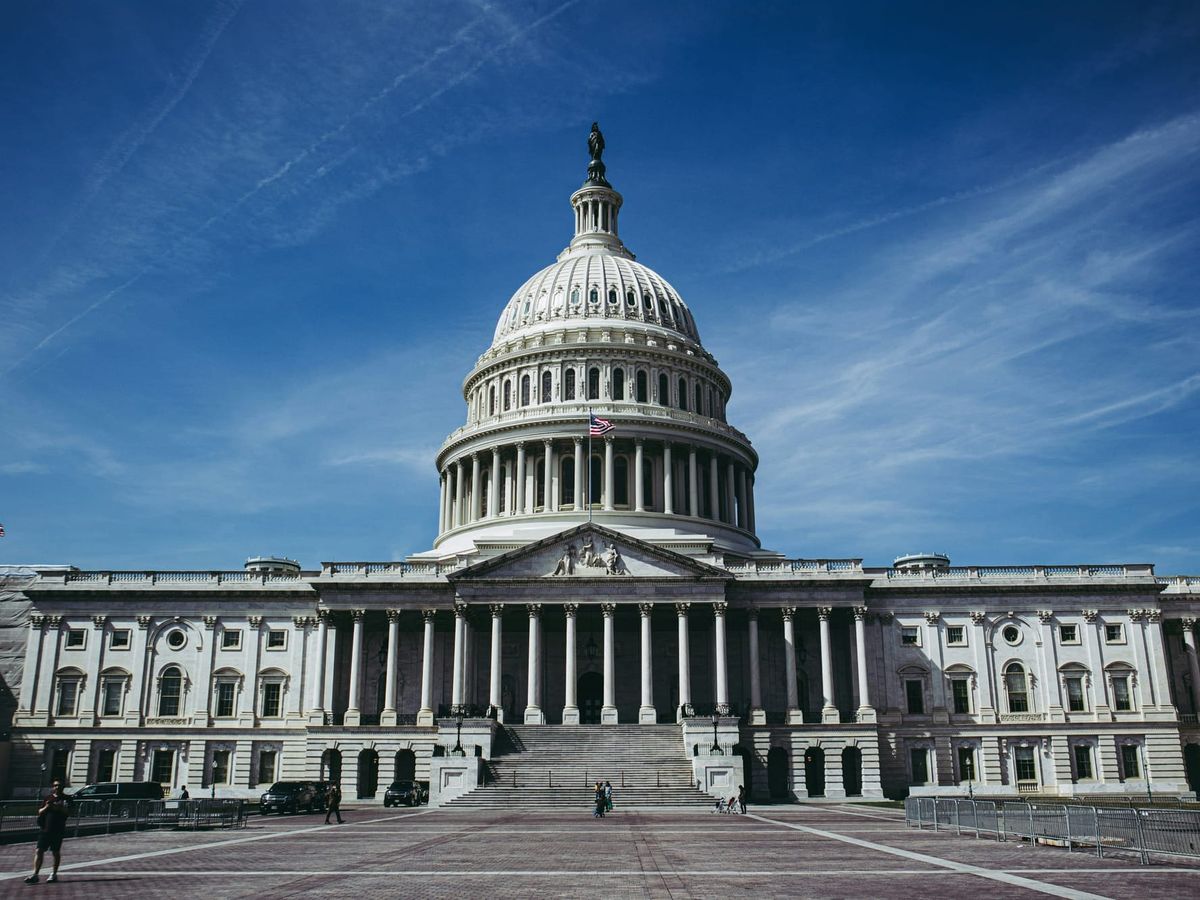
The House of Representatives has passed legislation that making daylight saving time permanent, potentially putting an end to the twice-yearly clock changes.
Before you celebrate never having to touch the oven clock again, though, the bill still has to survive the Senate, where its chances aren't exactly looking sunny.
Say goodbye to changing your clocks forever
If the bill eventually becomes law, Americans would keep daylight saving time all year long, meaning no more "spring forward" or "fall back." That also means more daylight in the evening year-round, no more biannual clock changes, and a lot fewer confused smart home devices (hopefully).
Believe it or not, this debate has been bouncing around Congress for years. This latest push gained momentum after President Donald Trump publicly backed ending the clock changes, with the White House encouraging lawmakers to approve the measure.
The House ultimately passed the bill with a 308-117 vote, but the vote did not break down along party lines. Members from both parties landed on both sides of the debate.
Team lock the clock
Supporters of the bill argue that permanent daylight saving time simply makes life better. Lawmakers from Florida were especially enthusiastic, saying longer evenings could benefit tourism, restaurants, outdoor recreation, golf, and pretty much any activity that involves being outside after work.
Their argument is basically that if people have an extra hour of daylight after they're off the clock, they're more likely to shop, eat out, exercise, or spend time outdoors instead of heading straight home.
“Why in the heck are we still changing our clocks? Floridians – we are the Sunshine State. We value sunshine,” Rep. Kat Cammack (R-FL) stated during a floor debate on the bill.
Team maybe don't send kids to school in the dark
On the other side of the issue are those worried about what happens if sunrise gets pushed much later during winter.
These critics say darker mornings could make school commutes less safe, disrupt sleep schedules, and even affect mental health. Lawmakers including Sen. Tom Cotton (R-AR) and Rep. Steny Hoyer (D-MD) particularly worry that children in many parts of the country would be forced to go to school in darkness.
As Hoyer said in an interview: “I’m not for it because I think having kids go to school when it’s dark doesn’t make sense, and that’s the major reason.”
Lawmakers in agricultural states also argue it could create challenges for farmers and agricultural communities.
The Sunshine Protection Act is stuck in legislative limbo
This topic is one that just keeps coming back. Previous versions of the Sunshine Protection Act have cleared one chamber of Congress before, only to stall before becoming law.
Whether this particular bill will follow the familiar script is yet to be seen. With how divided the entire Congress is on the issue, the path forward looks uncertain.