Former college students are getting $2,000 checks in a settlement

Getting a surprise payment in your bank account usually means you forgot about a class-action settlement or someone accidentally sent you money on Venmo. For roughly 200,000 current and former college students, it's the first one.
This week, electronic payments began rolling out as part of a $284 million settlement involving several of America's most prestigious universities after they were accused of coordinating how they calculated financial aid. The average payout is around $2,000 per eligible person.
No, it's not a scholarship refund. And yes, it's too late to sign up.
The schools allegedly operated a "price-fixing cartel"
Back in 2022, students filed a federal class-action lawsuit accusing 17 elite universities of operating what the complaint described as a "price-fixing cartel." The allegation was that the schools worked together on financial aid calculations in ways that reduced the amount of financial aid students received, ultimately causing families to pay hundreds of millions of dollars more than they otherwise would have.
The universities have not admitted any wrongdoing, but several of them agreed to settle the case.
Almost a dozen schools are paying
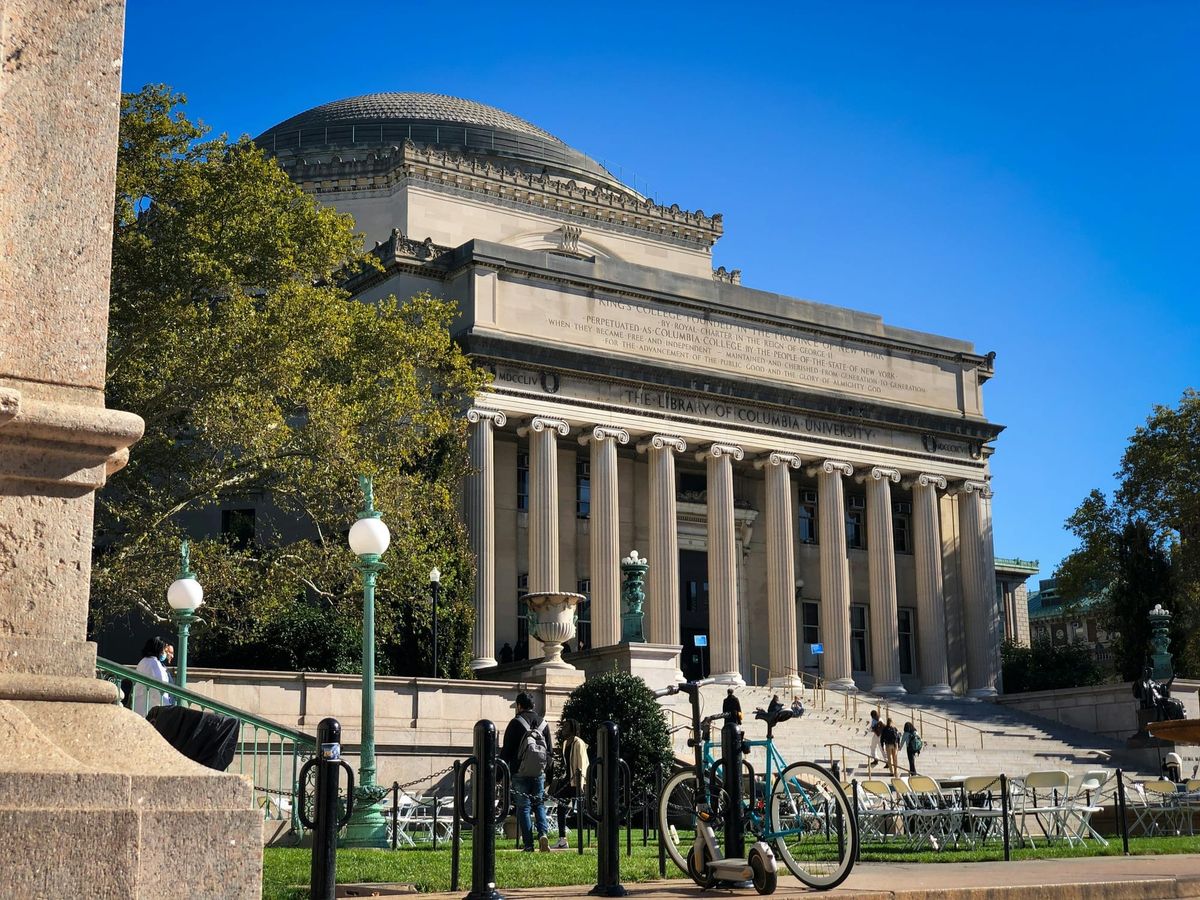
So far, settlements have been reached with 10 prestigious universities, including Yale University, Columbia University, Brown University, Duke University, Northwestern University, University of Chicago, Dartmouth College, Rice University, Emory University, and Vanderbilt University.
The lawsuit also named institutions such as MIT, Caltech, Georgetown, Notre Dame, Cornell, the University of Pennsylvania, and Johns Hopkins, though not all have reached settlements.
Who is getting paid
If you already filed a valid claim before the deadline, your money could already be on the way. Electronic payments started going out this week, while paper checks are expected to be mailed shortly afterward.
The average payment is expected to be about $2,000, though individual amounts vary depending on factors like which university you attended, your tuition costs, when you were enrolled, and how many eligible people filed claims.
If you missed the filing deadline, unfortunately, you have missed out on the settlement altogether.
Source: New York Post