FDA approves new medication to treat dogs' separation anxiety
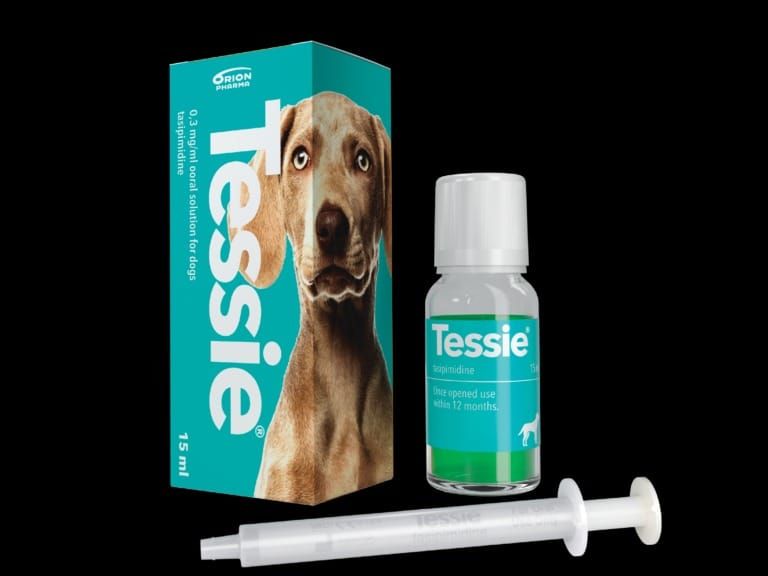
It looks like you may be able to leave your house without worrying about your dog's separation anxiety. The FDA has approved an oral medication that targets fear-related behaviors, bringing a sense of hope to pet parents with anxious dogs.
One-stone-kills-two-birds medication
The medication, called Tessie, is a first of its kind and targets separation anxiety and noise aversion. Previously, dog owners had to get two different FDA-approved drugs to treat both dog problems. Tessie, a game-changing oral solution for man's best friend, will solve both issues in one dose.
Just like with humans taking medication, there are some side effects to be aware of. Pet parents are told to watch for signs such as lethargy and vomiting. If those occur, you'll need to contact your vet.
Both are fear-related behaviors
Noise aversion and separation anxiety may not seem similar, but they're both grouped under the fear-related behaviors banner. What's also surprising is how common each of these is.
If your dog tends to react to loud noises like thunder, fireworks, and traffic sounds, there's a good chance they have noise aversion. Pet owners may not even realize there's a name for this behavior.
Separation anxiety is a little easier to spot. If your dog is destructive, nervous, barks, howls, urinates, paces, whines, and cries when you leave - good chance they have separation anxiety.
Tessie calms the fight-or-flight instinct in dogs
The medication is meant to calm your dog down by reducing their overactive fight-or-flight instinct. It targets receptors in the brain, calming them down.
You'll need to do a little planning since Tessie needs to be given to them an hour before you leave the house. That factor alone means it won't work in every instance.
Another key is that it can't be taken with food. Again, it just requires a little planning in your routine.
It could be a great option
Separation anxiety doesn't just affect your dog; it likely makes you feel guilty and nervous leaving them alone. Finding an effective solution can make everyone feel better.
Sources: ASPCA, Parade Pets