FDA-approved epilepsy drug may help reverse arthritis damage

Osteoarthritis has a frustrating formula. Pain gets worse, cartilage breaks down and eventually the joint can become so damaged that surgery is the only real option. Most treatments can make the pain more manageable, but they don't actually stop the damage. Now, researchers at Yale may have found a way to attack both problems at once.
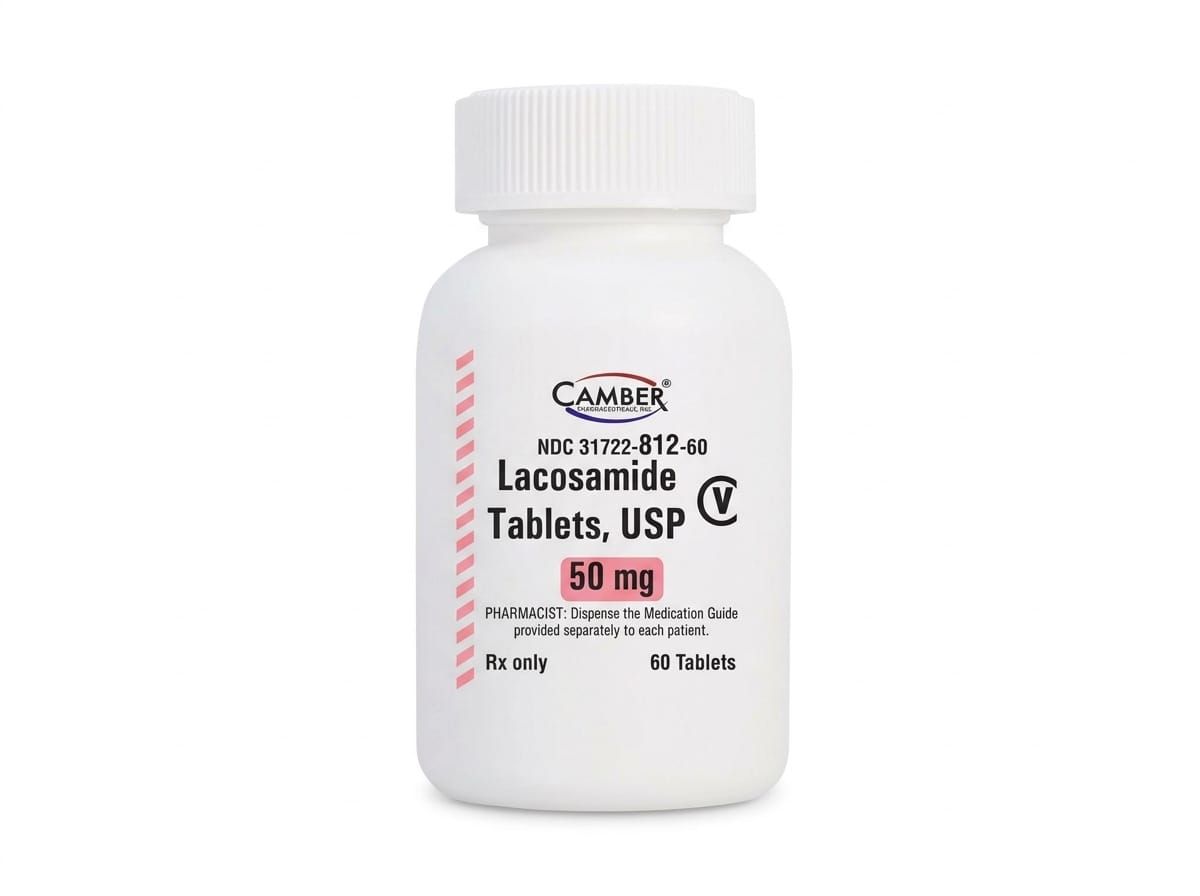
A study published in Bioactive Materials found that lacosamide, an FDA-approved epilepsy medication, reduced osteoarthritis-related pain while also encouraging damaged cartilage to repair itself in preclinical studies. The results were especially promising when the drug was delivered directly into the joint using a specially designed hydrogel.
The protein connecting pain and cartilage damage
The researchers focused on Nav1.7, a sodium channel that helps cells send electrical signals. Nav1.7 has traditionally been associated with nerve cells and pain signaling. But Yale researchers found that it is also active in chondrocytes, the cells responsible for maintaining cartilage.
In healthy joints, Nav1.7 is relatively quiet. Osteoarthritis changes that. Its activity increases, and the researchers found that this can contribute to both increased pain and cartilage breakdown. In other words, the same protein appears to be involved in two of osteoarthritis's biggest problems.
Enter lacosamide
Rather than inventing a brand-new drug, the researchers looked at existing medications that block sodium channels. Lacosamide stood out.
The epilepsy medication produced strong effects at relatively low concentrations and had a better safety profile than some older drugs in the same class. But there was an important catch: the dose mattered a lot. At the right concentration, lacosamide encouraged cartilage cells to produce proteins involved in building cartilage while suppressing processes that break it down.
Too much or too little, however, and those benefits became less pronounced. The researchers also found that lacosamide triggered the release of two proteins, HSP70 and midkine, which help cells respond to stress, regulate inflammation and protect tissue. So this isn't simply a case of an epilepsy drug randomly making joints feel better. The researchers believe it may actually be changing what's happening inside the cartilage.
The smart part is how they deliver it
There was another problem. You can take lacosamide as a pill, but an oral drug travels throughout the body. If the goal is to treat one damaged knee, sending the medication everywhere isn't exactly efficient.
The researchers instead tested an injection directly into the joint. Unfortunately, knees aren't great at holding onto injected liquids. As Charles W. Ohse Professor of Orthopaedics & Rehabilitation Chuan-Ju Liu put it, the joint basically behaves like a "leaky bucket."
That is where the hydrogel comes in. The team developed a material made from Collagen II that changes consistency depending on temperature. It stays liquid inside a cool syringe, allowing it to be injected, then turns into a jelly-like material once it reaches body temperature.
The gel essentially becomes a tiny drug reservoir inside the joint. Instead of the medication quickly disappearing, it can gradually release lacosamide over several weeks. In the preclinical experiments, one injection every four weeks prevented cartilage loss more effectively than taking lacosamide orally every day.
Don't throw away that knee brace just yet
This has not yet been proven to work as an osteoarthritis treatment in people. The findings come from preclinical research, so clinical trials are still needed to determine whether the approach is safe and effective in human patients with osteoarthritis.
Still, lacosamide has one major advantage over an entirely experimental drug: it's already approved for human use. The medication has also previously been studied in people with certain nerve-related pain conditions involving Nav1.7 mutations. That existing human data could potentially help researchers move toward osteoarthritis trials more quickly.
If the approach eventually works in humans, it could represent a different way of treating osteoarthritis. Instead of simply turning down the pain while the joint continues deteriorating, it would target the biological process behind both the pain and cartilage damage.
Source: ScienceDaily