Driscoll's faces lawsuit over claims of hidden pesticides
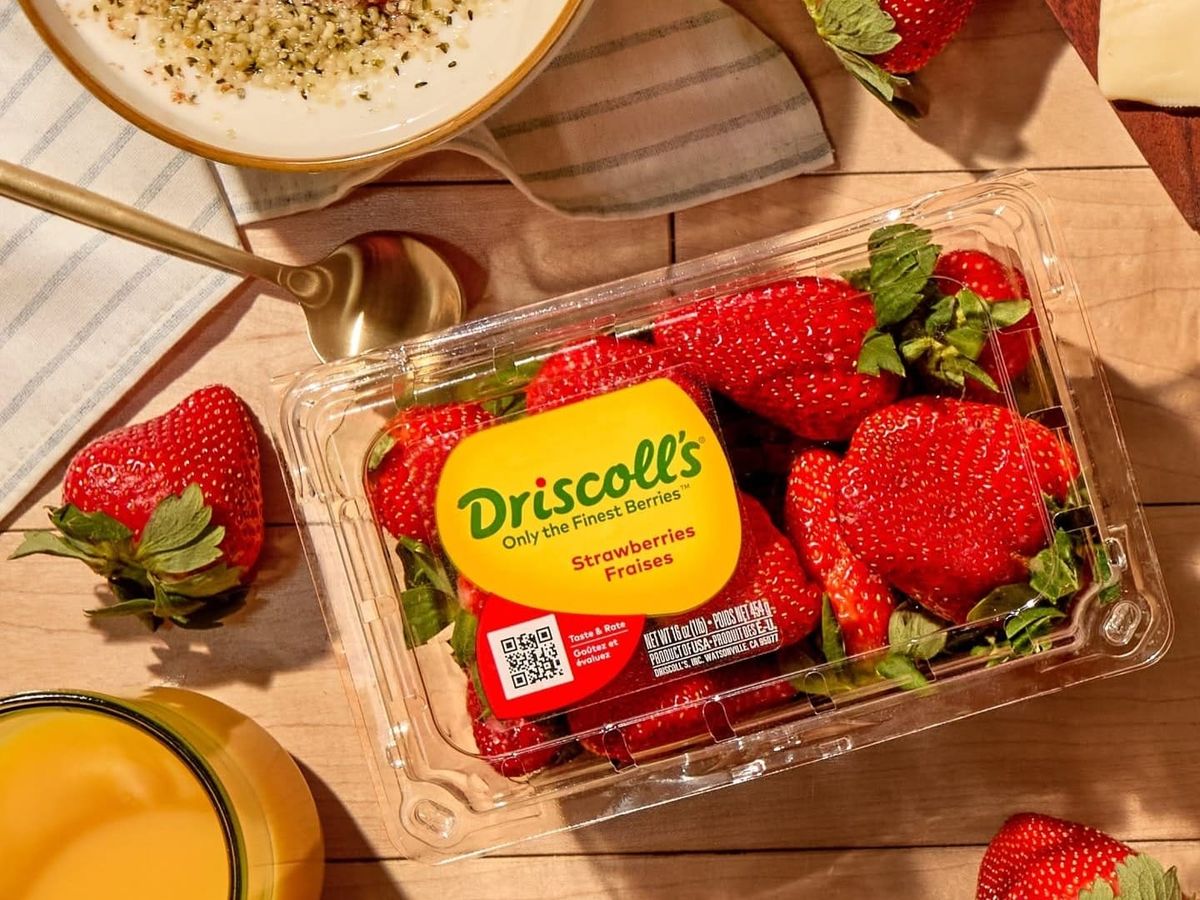
Eating fruit is supposed to be a healthy choice, but this Californian produce giant has just called that idea into question. Driscoll's has been dealt a pretty serious blow with a class-action lawsuit claiming its strawberries contain highly toxic "forever chemicals."
"Only the Finest Berries" actually come with a side of hidden chemicals.
Driscoll's isn't just any berry company; it's the world's largest. You've likely seen their berries in your local grocery store and likely bought them.
Well, now they are being hit with a consumer-fraud class-action lawsuit alleging that their strawberries contain residues of "forever chemicals."
It's not just consumer fraud; the class action suit also claims the company is using deceptive practices. The claim was filed by six people who live in Illinois, Massachusetts, New Jersey, and New York.
A laboratory report exposed the forever chemicals
The lawsuit cites a laboratory report that randomly tested two boxes of Driscoll's strawberries. The report tested the strawberries for chemicals, and the results were surprising.
There were residues of 12 different pesticides on the strawberries, eight of which are considered PFAS, which are "forever chemicals."
According to the laboratory report, the levels were persistent and highly toxic. The pesticides found on the strawberries are banned in places like Chile, the European Union, Taiwan, Korea, and Russia.
The case alleges that Driscoll's misled consumers
The details of the class-action lawsuit allege that not only were these chemicals found on the strawberries, but that Driscoll's runs a marketing campaign boasting safe, high-quality fruit.
“Driscoll’s ran an environmentally friendly campaign—greenwashing its true farming and manufacturing practices that included these forever chemicals known to be extraordinarily difficult to clean up and break down and [to] accumulate in the environment and living organisms, including humans,” according to the lawsuit.
A case to watch
For consumers looking to eat fresh, healthy, forever chemical-free produce, this case is one to watch. It makes you think twice about what you're buying.
Source: New York Post