DOJ expands beef price gouging probe to Walmart and Costco

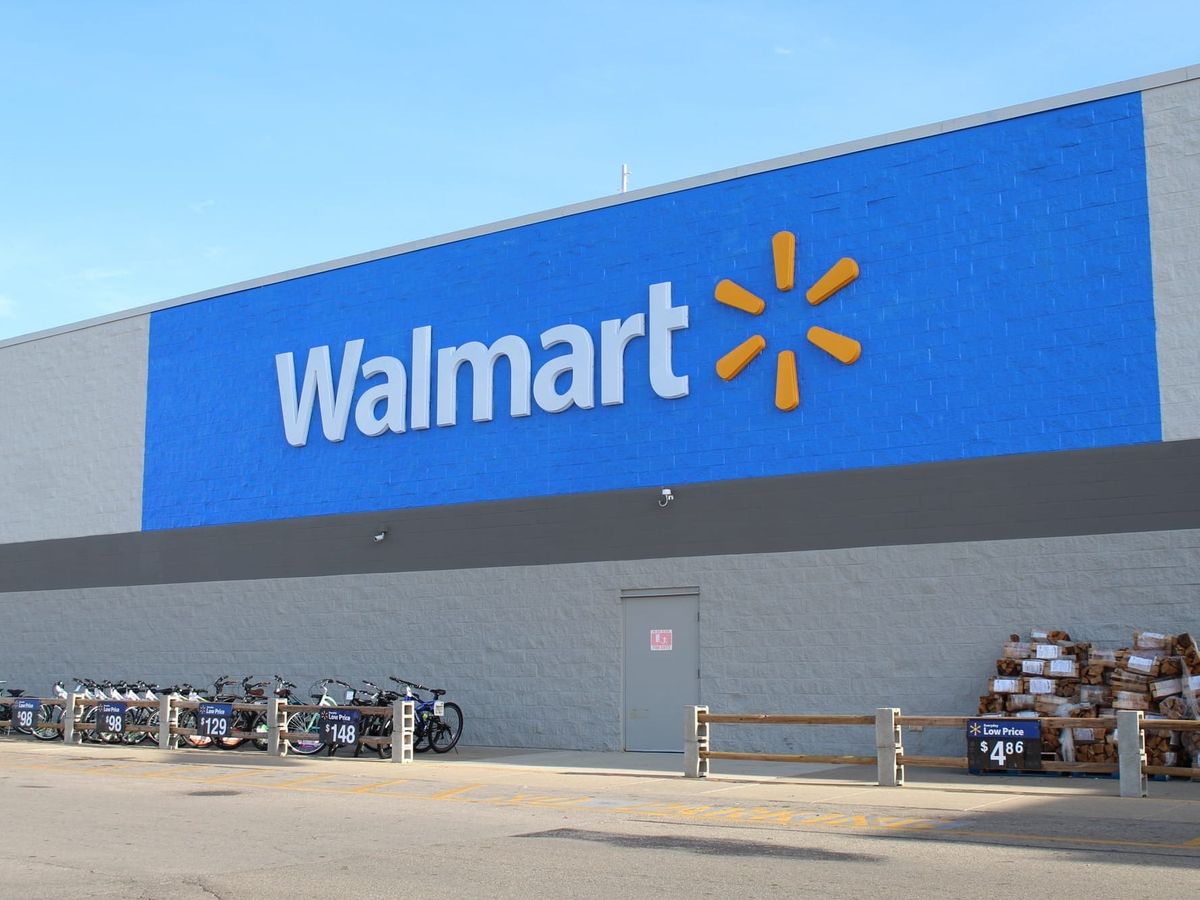
The Department of Justice is expanding its probe into soaring beef prices, and this time, the government is not just looking at the companies that process America's meat. It is taking the investigation straight to the retailers, including Walmart, Costco, Kroger, Amazon, Aldi and Publix, where consumers actually feel the financial pain.
The beef investigation
The Justice Department originally launched its investigation in May, focusing on the so-called Big Four meatpackers: JBS, Cargill, Tyson Foods, and National Beef. Those companies control more than 85% of the U.S. beef-processing market, giving them enormous influence over one of America's most important food supplies.
Now, the DOJ is widening its focus to eight of the country's biggest grocery retailers: Ahold Delhaize, Albertsons, Aldi, Amazon, Costco, Kroger, Publix, and Walmart. Officials have sent letters to the companies concerning recent increases in retail beef prices.
Is someone gouging consumers?
That is essentially what investigators are trying to figure out. The DOJ has been examining whether consolidation in the meatpacking industry has contributed to higher prices. When only a handful of companies control a huge chunk of a market, regulators naturally start asking whether competition is working the way it is supposed to.
The investigation is already massive, with officials reviewing more than 3 million documents and interviewing people throughout the industry. And the stakes could get even bigger.
The DOJ has encouraged whistleblowers to come forward, with potential rewards available when information leads to successful enforcement actions. According to the department, qualifying whistleblowers could receive between 15% and 30% of criminal penalties exceeding $1 million.
The beef problem isn't just about supermarkets
Even if the DOJ finds suspicious behavior, America's beef-price problem does not have one simple villain. The country's cattle supply has been shrinking. According to Agriculture Secretary Brooke Rollins, the U.S. had about 86.2 million cattle and calves as of January 1, the lowest level since the 1950s.
Fewer cattle mean less beef available. Less supply can mean higher prices. And suddenly, that $20 steak starts looking like the result of an extremely complicated economic boss battle.
The Trump administration has also explored allowing more foreign beef imports to help ease prices, though that idea has faced serious backlash from American cattle producers and some Republicans.
Trump wants farmers to have more options
President Donald Trump recently announced plans aimed at giving farmers and ranchers more ability to process their own food. The idea is to give cattle producers another route to the grocery store rather than forcing them to rely entirely on the giant meatpacking companies sitting in the middle of the supply chain.
Trump has described the current industry structure as a "nasty monopoly." His plan is to bring more competition and give ranchers more ways to get their products into consumers' hands.
As federal investigators expand their scope from processing plants to checkout lanes, shoppers will be watching closely to see if prices at the butcher counter finally start to cool down.
Source: Fox Business