Study finds 96% of tested tuna is infested with parasites

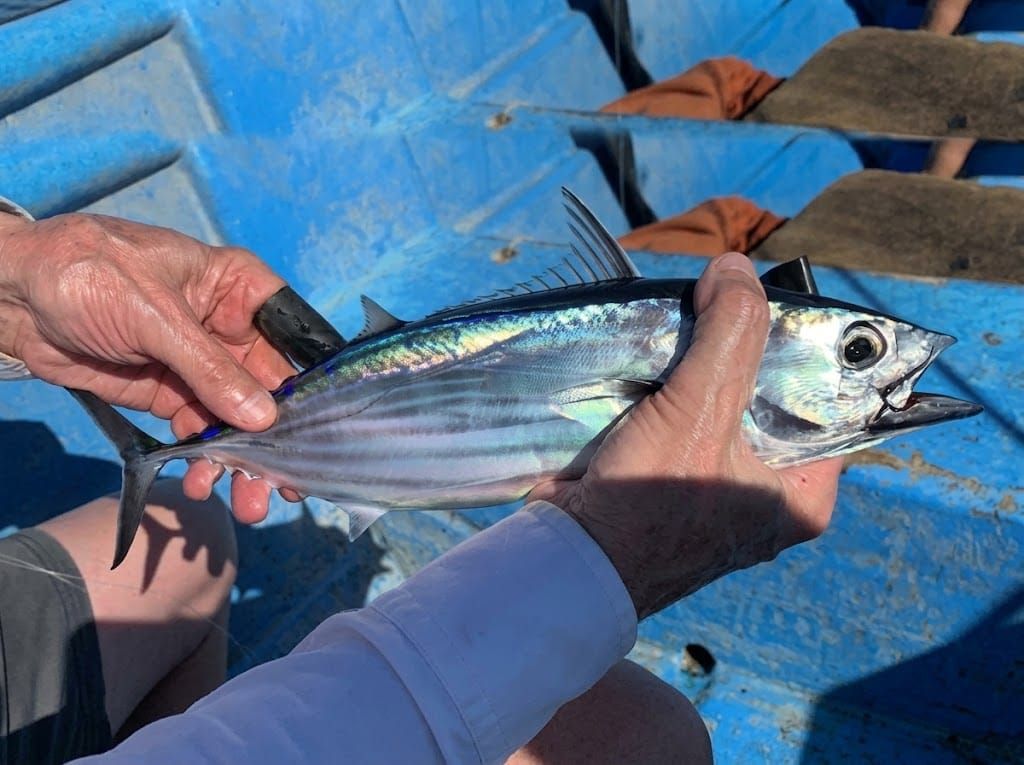
Your sushi might be fresh, delicious and beautifully plated, but could still be carrying some unpleasant guests. A new study from Brazilian researchers found parasites in 96% of 53 skipjack tuna they examined, with about 1,600 worms detected across the fish.
Before you cancel your sushi order forever, though, there's an important catch: finding parasites in fish does not automatically mean the fish is unsafe to eat. The researchers' point was that the sheer prevalence highlights why seafood inspection and proper handling matter.
Almost every tuna had unwanted passengers
The scientists, from the Federal University of Santa Catarina in Brazil, examined 53 locally caught skipjack tuna under powerful microscopes. They found parasites in 51 of them.
The worms were concentrated mostly in the intestines, but researchers also found them in the muscle tissue, the part that can end up on your plate. The stomach had parasites too. The kidneys and hearts, meanwhile, apparently got a pass.
Is your sushi crawling with worms?
The study does not mean 96% of the tuna served at your favorite sushi restaurant contains live worms. Commercial seafood goes through processing, inspection and preparation, and cooking fish thoroughly dramatically reduces the risk from parasites.
But the researchers say there is a reason processors should remove the internal organs promptly. Parasites can potentially migrate from the organs into the edible flesh. And that is especially relevant for raw or undercooked fish. So if you are currently imagining your next spicy tuna roll as a microscopic horror movie, take a breath.
Regardless, you want to take the warning seriously. Skipjack tuna is one of the world's major commercial tuna species. As noted by researchers, roughly 3.1 million tons of skipjack tuna were caught and sold globally in 2022.
And this isn't the first parasite warning. Researchers have previously documented a dramatic increase in certain parasites found in marine fish. Also, a 2020 study from University of Washington researchers reported a 283-fold increase in the abundance of Anisakis worms in fish between 1967 and 2017.
The dangers
Consuming fish containing certain parasites can cause gastrointestinal symptoms such as nausea, vomiting and diarrhea. Fortunately, these infections are generally treatable, and parasites can die off over time.
Still, nobody wants their dinner to come with an unexpected gastrointestinal bonus round. That's why experts recommend thoroughly cooking fish when possible. For sushi and sashimi, meanwhile, proper commercial handling and parasite-control practices become especially important because cooking is not part of the equation.
Why parasites can indicate a healthy ecosystem
There is an argument that finding parasites in wild fish is not necessarily evidence that something has gone horribly wrong. Chelsea Wood, a parasitologist at the University of Washington, has argued that parasites can actually indicate that a fish came from a healthy ecosystem. That is because parasites are part of natural food webs. They live in wild animals, move through ecosystems and play a role in the broader ecological system.
What this means is that a parasite-free fish isn't automatically the healthier fish. It's just less horrifying to imagine eating. So, go ahead and enjoy your sushi if it's coming from a reputable source. Just remember that somewhere beneath that beautifully arranged slice of tuna is an entire ecosystem you probably don't want to think about while eating.
Source: New York Post