Disney accuses Trump of trying to force ABC stations off air

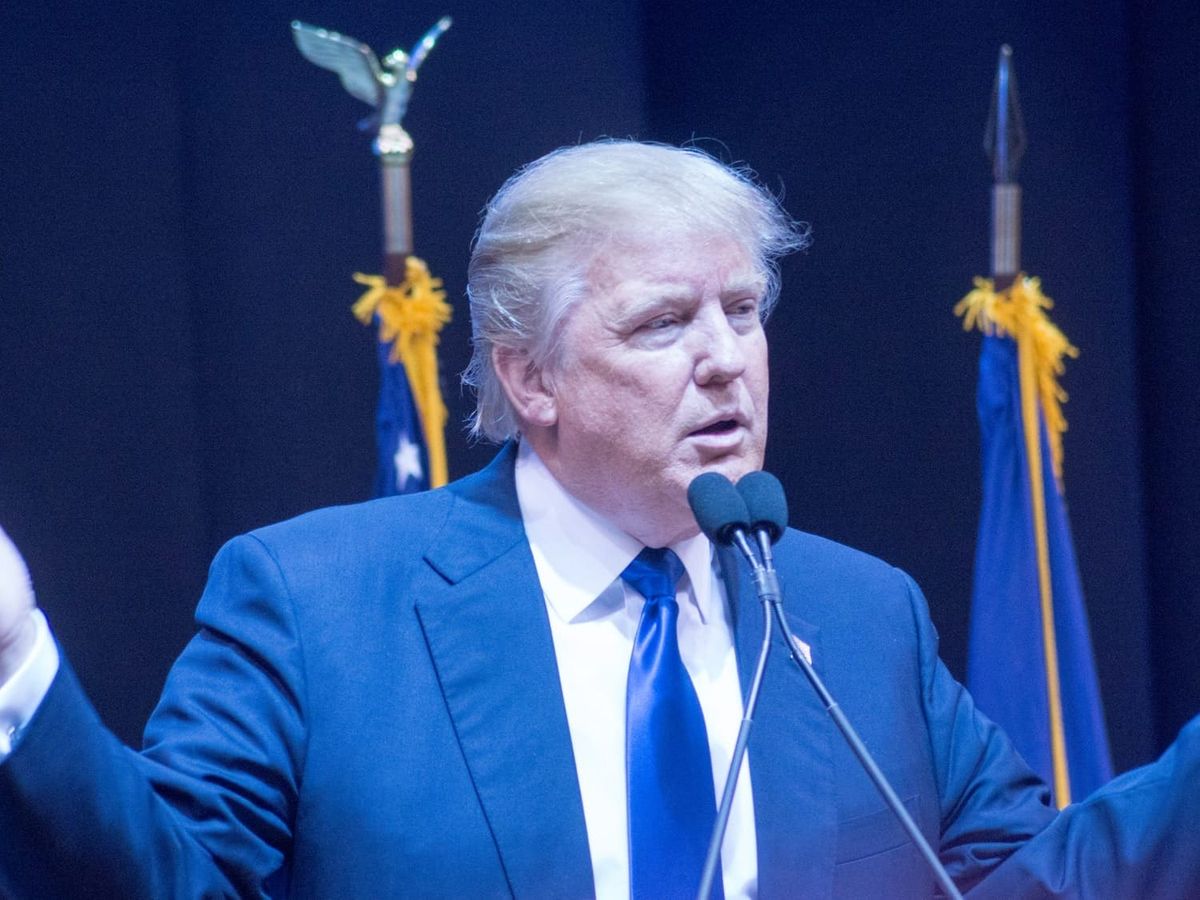
The fight between Disney and the Trump administration has escalated dramatically. The network company is accusing the Federal Communications Commission of political retaliation after the agency launched an unusually early review of the broadcast licenses for eight ABC-owned stations. If those licenses were ultimately revoked, some of ABC's biggest local stations could be forced off the air.
As far as Disney is concerned, this is the FCC using its regulatory power to punish the network for programming the administration does not like, including jokes from Jimmy Kimmel and political discussions on The View.
Disney says the timing of the review is anything but random
The Walt Disney Company went nuclear in a 109-page filing submitted to the FCC, asking the agency to dismiss its early review of the eight ABC station licenses, including outlets in Los Angeles, New York, San Francisco, Fresno, Houston and Philadelphia. According to the company, it is no coincidence that the action followed a series of attacks on ABC programming from President Donald Trump and his allies.
The review was launched in late April, a day after Trump criticized ABC following a Kimmel joke about the president’s health and First Lady Melania Trump. FCC Chairman Brendan Carr has also criticized ABC over its programming decisions, including the network's choice not to air Trump's recent prime-time speech live.
Bolstering its argument, the company pointed out that the FCC has not previously demanded this kind of early review of a group of ABC-owned stations in more than 50 years, according to Disney and multiple reports. Normally, stations go through the license renewal process on a regular cycle rather than being dragged into an unusually early proceeding.
Disney said that if the FCC can threaten a broadcaster this way, the chilling effect reaches far beyond ABC. According to the company, the message to other media organizations is basically to play nice with the administration or risk your broadcast license.
There is a First Amendment issue here over whether a government regulator can use the power to renew or revoke a broadcast license to influence what a broadcaster says, who it interviews or which comedians it puts on television. ABC argues the answer should be a very loud no.
The View got dragged into the fight
The View is also on the FCC’s desk, as the agency is examining whether the long-running daytime show should continue receiving an exemption from federal equal-time rules. Those rules can require broadcasters to give political candidates comparable airtime when certain candidates appear on their programs.
The View has operated under an exemption since 2002 because the FCC has treated it as a bona fide news interview program. But that status is now being questioned.
The dispute heated up after The View interviewed Texas Democratic Senate candidate James Talarico in February. The FCC subsequently asked whether rival candidates should receive comparable airtime. ABC isn't thrilled with that line of questioning. According to the network, deciding whether The View qualifies as a news interview program is one thing. Using the answer to dictate its editorial decisions is another.
“The First Amendment does not permit the government to sit in an editor's chair,” ABC said in a filing.
The FCC’s side of the story
The FCC says broadcast stations use publicly owned airwaves, and the government has long imposed requirements on broadcasters in exchange for those licenses. It also explained that its review of the ABC stations grew out of an earlier investigation into Disney's DEI programs and whether they violated federal anti-discrimination requirements. That inquiry is part of the Trump administration's broader campaign against corporate DEI initiatives.
According to the commission, its station review is about whether ABC is meeting its legal obligations as a broadcaster and not whether its political coverage is sufficiently friendly to the White House.
The commission further argued that stations have to serve the public interest, rather than the interests of one political party. That argument has attracted support from conservative groups that believe ABC's coverage is politically biased.
Organizations including the Media Research Center, America First Legal, the Center for American Rights and the Article III Project have urged the FCC to deny ABC's license renewals. The Center for American Rights, for example, argues that a broadcast license isn't something Disney is automatically entitled to keep simply because it has held one for decades.
Disney brought in the legal heavy hitters
Disney does not think this is going away with a strongly worded email. The company has assembled a heavyweight legal team that includes Paul Clement, a former U.S. solicitor general who has argued before the Supreme Court, along with attorneys Beth Wilkinson and Jennifer Tatel.
Disney Chief Legal Officer Horacio Gutierrez is leading the effort, as the company wants the FCC to dismiss the review rather than let it proceed toward a formal hearing. And it has a bigger concern than simply protecting eight television stations. If Disney loses, the precedent could make broadcasters much more cautious about taking on a sitting administration.
The FCC could decide the next move soon
The commission is expected to determine its next steps in the coming weeks. It could require ABC to defend the stations in a formal hearing, continue its investigation, or ultimately move toward action on the licenses.
The FCC's lone Democratic commissioner, Anna M. Gomez, has already criticized the review, arguing that the agency has no authority to police the ideological balance of broadcast media.
Meanwhile, Disney is preparing for a much bigger legal battle if the commission refuses to back down. That could eventually put the dispute in federal court and potentially before the Supreme Court. For now, ABC remains on the air. At least, for now. For now, ABC remains on the air—though how long that status quo lasts is anyone's guess.
Source: New York Post, L.A. Times, ABC News, Reuters