Walmart sued for keeping $2.9 billion in customer refunds

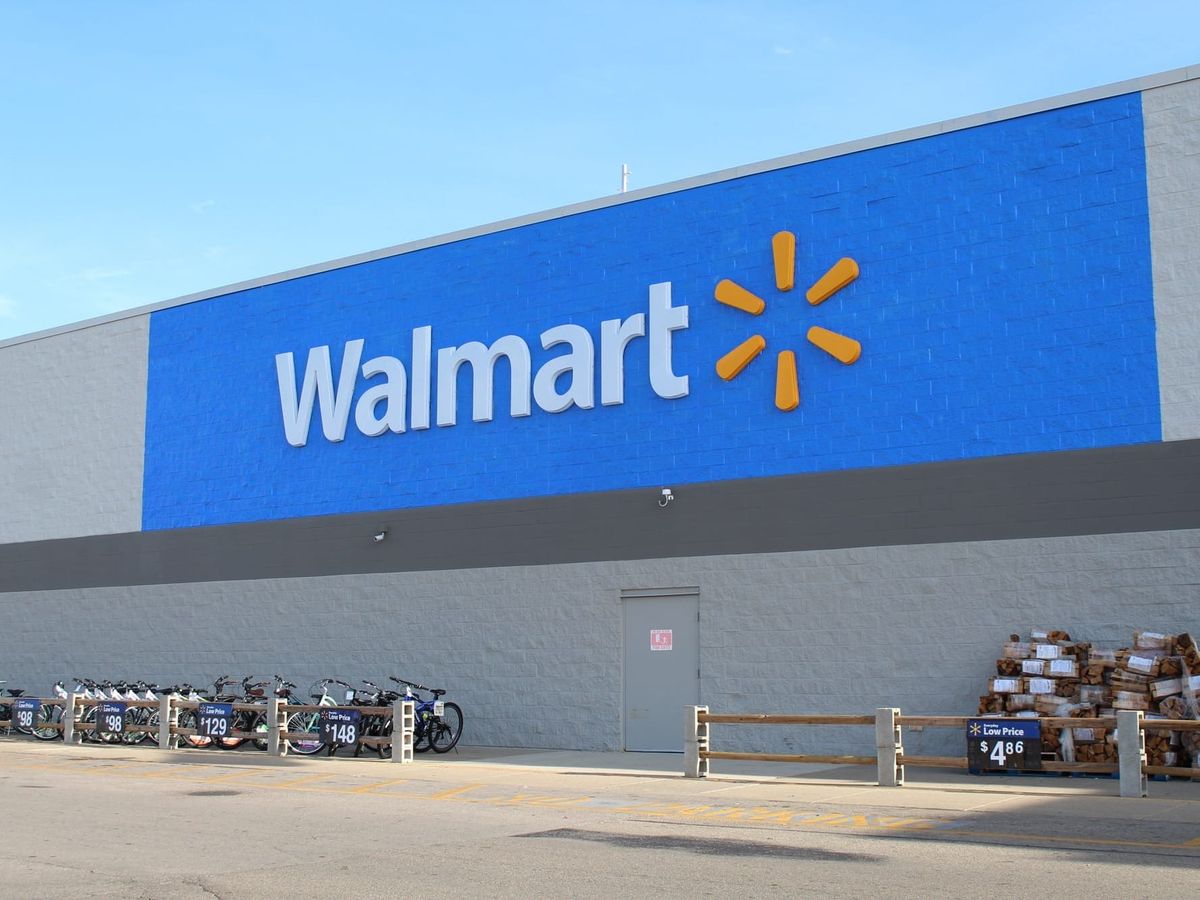
Walmart allegedly passed tariff costs on to shoppers, collected $2.9 billion in government refunds and didn’t give customers a way to get their money back. Now, two new class-action lawsuits want to know why the retailer should get to keep it all.
The lawsuits, filed in federal courts in Florida and Connecticut on September 10 and September 30, accuse Walmart of raising prices to cover tariffs that the U.S. Supreme Court later struck down. The plaintiffs argue that if customers effectively paid those costs at checkout, Walmart shouldn't be allowed to recover the money from the government and keep the refund, too.
The alleged double dip
The complaints, brought by Kathy Mauldin and Sharon Rabadi, claim Walmart raised prices on imported products affected by the tariffs. They also allege the retailer increased prices on some U.S.-sourced goods that were not directly subject to the tariffs, spreading the added costs across its wider product lineup.
The plaintiffs argue that shoppers ultimately bore the financial burden, even though Walmart was the importer responsible for paying tariffs at the border. Under the refund process described in the complaints, the importer of record–not the customer who bought the product in a store–can apply for the government refund. Walmart has reportedly recovered $2.9 billion, but the lawsuits allege it hasn't offered consumers a way to reclaim the extra money they paid. As the complaints put it: “In economic reality, the consumer paid the illegal tariff.”
The plaintiffs say allowing Walmart to retain the refunds would amount to unjust enrichment. The retailer has not been found liable simply because the lawsuits were filed. The claims will have to be tested in court.
Who could qualify for a refund?
Mauldin and Rabadi each want to represent groups of Walmart customers who made qualifying purchases between February 4, 2025, and February 20, 2026. One proposed group covers shoppers who bought goods subject to the tariffs. Another would cover customers who allegedly paid inflated prices on U.S.-sourced products after Walmart spread its tariff costs across its merchandise.
As for the second claim, the dispute is not limited to imported products with a direct connection to the tariffs. The plaintiffs also want to challenge price increases on domestic goods that they say helped Walmart recover its added costs. A separate Walmart tariff-refund class action was filed in Florida in May. That lawsuit reportedly points to Walmart's public statements in 2025 about raising prices in response to tariffs.
Walmart is not the only retailer facing this fight
The refund dispute is spreading beyond the world's largest retailer. Puma, Abercrombie & Fitch and Peloton are also facing lawsuits alleging that companies passed tariff costs on to consumers and are now positioned to benefit from government refunds. Puma's plaintiffs claim the company raised prices in response to tariffs without making a binding commitment to refund customers. Their complaint argues the company could effectively collect the same tariff costs twice: first from shoppers through higher prices, then from the federal government through refunds.
Abercrombie & Fitch faces similar allegations. Plaintiff Amy Nghiem claims the retailer imports most of its products and passed tariff expenses on to customers.
Peloton's case focuses on hardware prices. According to plaintiff Elana Gorchov, Peloton raised prices by $200 to $700 per device on October 1, 2025. The proposed class covers U.S. consumers who purchased directly from Peloton between that date and February 24, 2026.
Target is also facing a separate lawsuit alleging it generated and retained a windfall from unlawful government action. Across the cases, plaintiffs are seeking remedies including restitution, repayment of alleged unjust gains and interest. The claims vary by lawsuit, and none of the allegations should be mistaken for a court ruling that customers are already entitled to a particular payout.
Source: Top Class Actions