This popular sugar substitute is now linked to higher heart risks

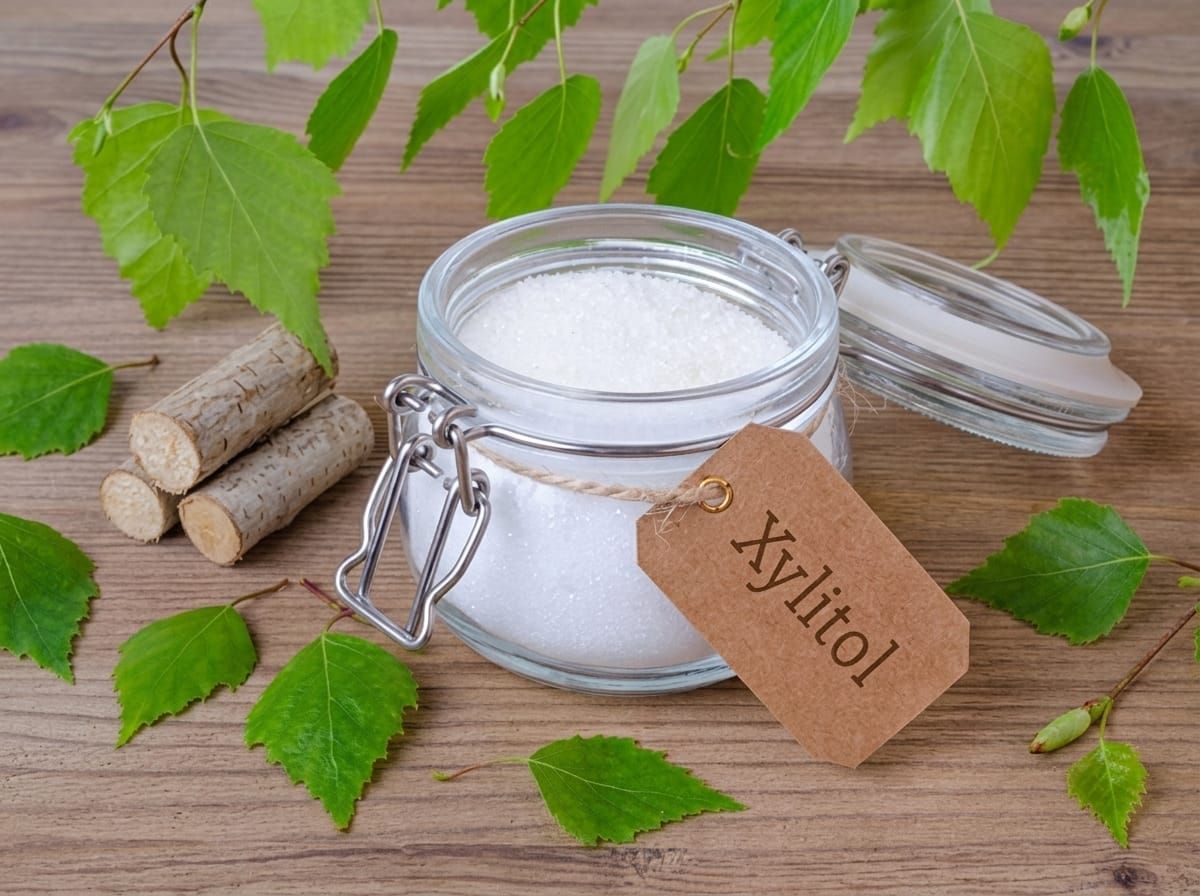
Sugar-free gums or low-calorie snacks might seem like the healthier choice, but a new study is raising some uncomfortable questions about xylitol, one of the most popular sugar substitutes around. Researchers found that people with higher levels of xylitol in their blood had a greater risk of major cardiovascular events, including heart attacks and strokes.
Before you launch your entire stash of sugar-free gum into the sun, though, there's an important catch. he study found a link, not proof, that xylitol directly causes heart problems. Still, the findings are enough to make this supposedly innocent sweetener worth a closer look.
Xylitol is probably in more places than you realize
Xylitol is a sugar alcohol commonly used as a low-calorie alternative to sugar. You will find it in everything from sugar-free foods and drinks to chewing gum, toothpaste, and other dental products. Its popularity is largely because it offers sweetness without all the calories and blood sugar spikes associated with regular sugar.
Sounds like a nutritional cheat code, right? Maybe not so fast.
A troubling pattern in different mixes
Researchers examined two large groups of participants from Canada and the United Kingdom, totaling more than 17,700 people. In the Canadian study group, those with the highest levels of xylitol in their blood had a 57% higher risk of dying from cardiovascular causes, having a heart attack, or suffering a stroke over a six-year follow-up period compared with those who had the lowest levels.
In the British group, participants with the highest xylitol levels had an 18% greater risk of major cardiovascular events over 30 years.
Perhaps even more interestingly, the researchers found what scientists call a dose-dependent association: higher xylitol levels generally went hand-in-hand with higher cardiovascular risk. The association remained even after researchers accounted for factors such as age, sex, body mass index, high blood pressure, diabetes, and cholesterol levels.
Why xylitol might affect the heart
The new research builds on previous studies suggesting that xylitol may make platelets, the tiny blood cells involved in clotting, more likely to form clots. And blood clots can be a major problem.
A clot that blocks blood flow to the heart can cause a heart attack, while one that travels to the brain can cause a stroke. That gives researchers a possible explanation for the association they are seeing, but it is important to stress that scientists still don't have all the answers.
Should you stop consuming xylitol?
It's too early to panic. Xylitol is generally considered safe by food regulatory agencies, and researchers aren't saying that eating one piece of sugar-free gum automatically puts you on the fast track to a heart attack.
But the findings do raise questions about our collective obsession with replacing sugar with ingredients that sound like they belong in a chemistry textbook.
The researchers behind the study say more work is needed to understand xylitol's long-term cardiovascular effects, particularly as the ingredient becomes more common in food and drink products. One cardiologist who was not involved in the research offered a simpler piece of advice: perhaps the healthiest solution isn't always finding a new sweetener but gradually reducing our desire for intensely sweet foods altogether. Ultimately, the best workaround might not be finding a better substitute, but uninstalling the craving altogether.
Source: Fox News