Americans want Black Friday discounts on groceries, not just TVs

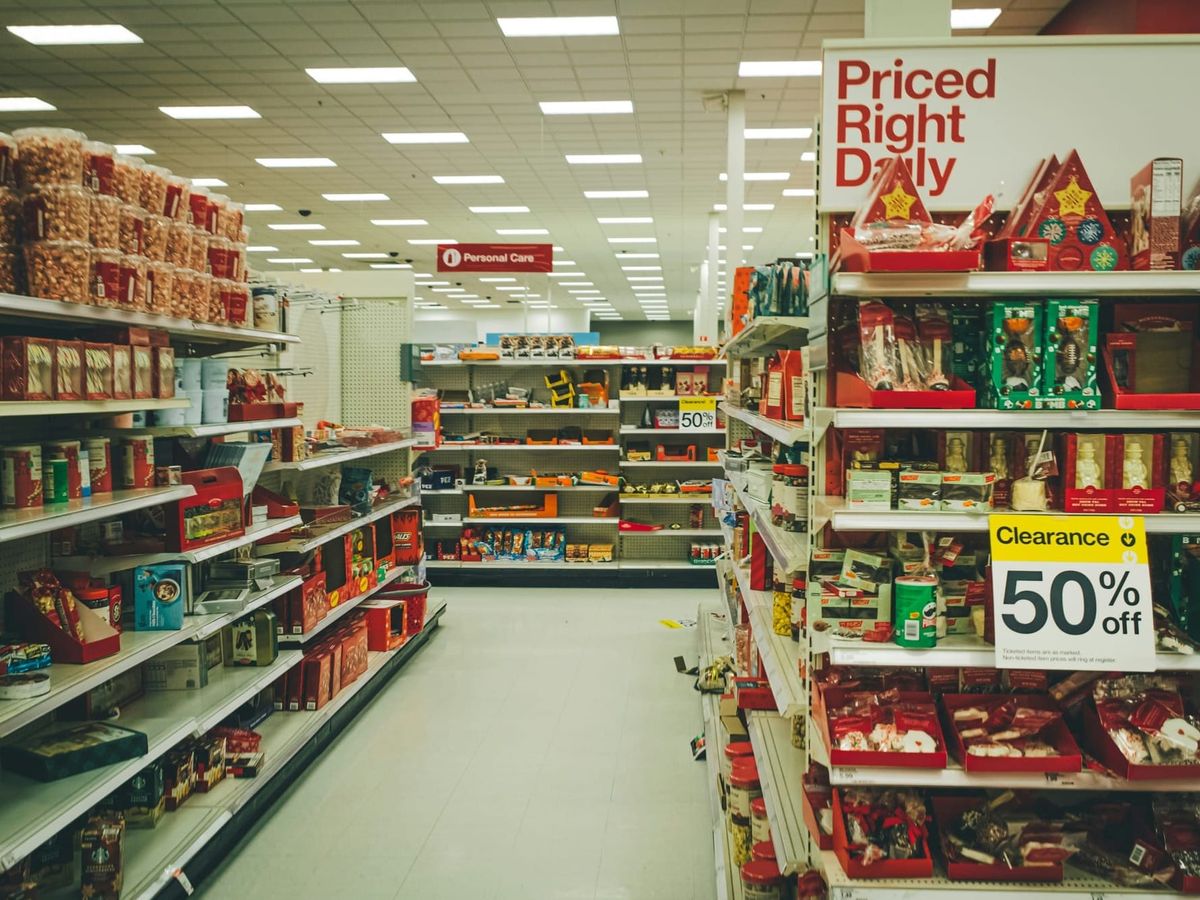
Black Friday has traditionally been the season for hunting down discounted TVs, shiny new gadgets and gaming consoles you probably did not know you needed. But American shoppers appear to have a different priority this year. They are looking to get a better deal on groceries.
When food prices are stressing you out, another discounted pair of headphones is not exactly going to save the day.
According to Ibotta's 2026 Holiday Outlook, roughly one in three U.S. shoppers say they stock up on everyday essentials during major shopping events such as Black Friday, Cyber Week and Amazon's October Prime Day. And with 44% of respondents admitting they're stressed about the cost of food, drinks and holiday hosting supplies, it is not hard to understand why groceries are getting some serious shopping-cart attention.
Nine in 10 shoppers also said they buy more of at least one everyday product category between Thanksgiving and New Year's Day. So, while everyone else is comparing television deals, plenty of shoppers are keeping an eye on the price of snacks, beverages and pantry staples.
Groceries are becoming a big part of holiday shopping
The shift isn't just happening in people's shopping habits. Online grocery spending is growing quickly, too. Adobe's 2026 holiday shopping forecast projects that Americans will spend $26.1 billion on groceries online between November 1 and December 31, representing a 10.3% increase from last year. That's a faster growth rate than electronics, apparel and toys.
For comparison, online electronics spending is expected to reach $63.3 billion during the same period, but its growth rate is considerably slower. In other words, electronics still command more money, but groceries are gaining ground.
Cyber Monday is grocery's Super Bowl
Cyber Monday, which falls on November 30 this year, is expected to generate $15.1 billion in total online spending, up 6.2% from 2025. And it's not just food getting attention. Adobe expects online sales of personal hygiene products during Cyber Week to increase by 150% compared with average September levels.
Grocery shopping and Cyber Monday might sound like an unlikely combination, but the numbers suggest they are getting along just fine. CommerceIQ found that Cyber Monday was the biggest revenue day for grocery brands during the five-day Thanksgiving-to-Cyber-Monday shopping period in 2025.
Interestingly, traffic to grocery product listings barely increased throughout those five days. However, shoppers who visited on Cyber Monday were more likely to make a purchase. CommerceIQ also found that grocery brands generally maintained their prices and improved their margins compared with the previous year.
More grocery shopping during Black Friday doesn't automatically mean supermarkets are suddenly offering spectacular discounts on everything. Adobe expects discounts of up to 30% on electronics and 29% on toys, but its forecast doesn't provide a comparable discount estimate for groceries.
Candy, snacks and drinks are leading the holiday shopping list
If you are wondering what shoppers are actually putting into their holiday grocery carts, Ibotta's survey offers a few clues. Candy and chocolate lead the pack, with half of respondents saying they buy more of these treats during the holidays. Snacks and cookies, along with nonalcoholic beverages, follow at 46% each. Dairy products come in at 39%, while bread and bakery items account for 36%.
It is a fairly predictable holiday lineup. Between family gatherings, office parties and the general business of entertaining guests, food tends to disappear from the kitchen much faster than usual.
Grocery prices are still rising, just not as fast as restaurant prices
There is another reason shoppers might be paying closer attention to grocery deals: eating at home is becoming relatively cheaper than eating out. The USDA's Economic Research Service forecasts that food-at-home prices will increase by 2.3% in 2026, below the 20-year average of 2.6%. Restaurant and other food-away-from-home prices, meanwhile, are projected to rise by 3.5%.
In September, grocery prices were already 1.8% higher than they were a year earlier. That doesn't mean every aisle is getting cheaper. Beef and veal prices are forecast to rise by 8.7% this year, while egg prices are expected to fall by 29.3%. Retail coffee prices were also 7.1% higher in September than a year earlier. Dairy products are a different story, with the USDA forecasting a 0.4% price decline.
Holiday baking could get more expensive
Anyone planning to bake their way through the holidays might want to pay attention to what's happening with sugar and wheat. The USDA expects prices for sugar and sweets to rise by 6.5% in 2026, driven largely by candy and chocolate.
Wheat prices are also worth watching. Farm-level wheat prices were 49.8% higher in September than a year earlier, following a projected decline in U.S. wheat production. However, that doesn't mean your next grocery-store purchase of flour or bread will immediately reflect the increase. Retail prices typically respond more slowly to changes in farm and wholesale costs.
The pantry might be 2026’s Black Friday destination
With grocery prices still putting pressure on household budgets, shelf-stable essentials could be some of the more practical things to buy when discounts actually appear. Rice, dried lentils, pasta and canned goods can last for months when stored properly, making them useful purchases for anyone looking to stretch their grocery budget. Nut butters, canned beans, tomatoes and broth are also versatile pantry staples that can turn into several different meals without requiring an expensive shopping trip every time.
The trick is to focus on things you will genuinely use rather than buying random products simply because a retailer has slapped a discount label on them. A discounted TV is nice, but having enough groceries to get through the holidays without constantly worrying about the next supermarket bill might be the better deal.
Source: OA Online