SpaceX targets Verizon and AT&T with its own cell phone carrier

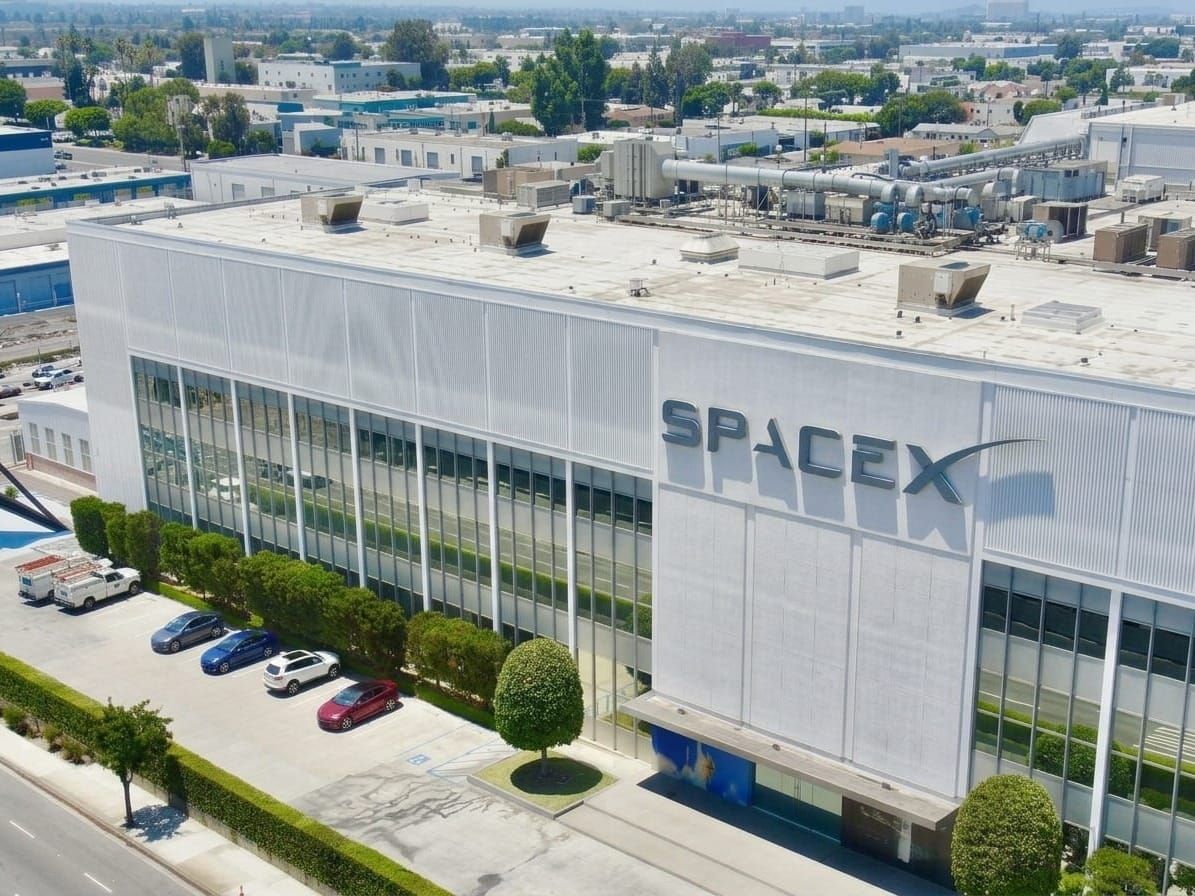
SpaceX wants to become more than the company that gets your phone a signal in the middle of nowhere. The company has acquired a portfolio of low-band wireless spectrum licenses that could help turn Starlink Mobile into a major U.S. carrier, putting it on a collision course with AT&T, Verizon and T-Mobile.
The deal still needs approval from the Federal Communications Commission. If it goes through, SpaceX says it will combine its satellite network with a traditional terrestrial mobile network, creating a service designed to work both where cell towers reach and where they don't.
Starlink wants to bring satellites and cell towers together
The big piece of this deal is low-band spectrum in the 800 MHz range. SpaceX says the licenses include up to 14 MHz of paired spectrum, which could help its signal reach inside buildings and pass through walls more effectively.
Low-band frequencies are useful because they generally travel farther and penetrate obstacles better than higher-frequency signals. That makes them attractive for broad coverage, although real-world performance still depends on factors such as network design, interference, device support and available capacity.
SpaceX has already acquired 2 GHz spectrum from EchoStar as part of its push to expand direct-to-device connectivity. The new low-band licenses would add another tool to that effort. The goal is to build a network that does not force users to think about whether their connection comes from a satellite or a cell tower. In SpaceX's vision, it should simply work.
15,000 satellites are part of the plan
SpaceX is also moving ahead with plans for a much larger Starlink Mobile satellite constellation. The FCC has approved deployment plans for 15,000 V2 Starlink Mobile satellites, which SpaceX says will deliver more than 100 times the bandwidth of its current generation.
More bandwidth could help the service handle more users and support better performance, though the satellite count alone doesn't guarantee fast or consistent service everywhere. According to SpaceX, combining its next-generation satellites with low-band spectrum would allow Starlink Mobile to become the first network operator to use both satellite and terrestrial spectrum in one network.
The company is pitching it as a way to get service indoors, outdoors and in cellular dead zones without switching between separate systems. That would be a meaningful step beyond today's satellite-to-phone services, which are generally designed to fill coverage gaps rather than replace a conventional mobile carrier.
Can Starlink really take on traditional cell giants?
Traditional carriers have spent years building and maintaining networks of cell towers, buying spectrum licenses and negotiating coverage agreements. SpaceX is approaching the problem from a different direction by using satellites as a major part of its infrastructure while adding spectrum that could support terrestrial connectivity.
That is not to say it can immediately replace AT&T, Verizon, or T-Mobile. Building a competitive mobile service takes more than getting a signal from space. SpaceX would still need to deliver dependable capacity, support compatible phones, manage congestion and make its service attractive enough for customers to switch. The FCC's approval of the satellite deployment plans is separate from the approval still needed for the spectrum deal. Still, the strategy puts pressure on the existing carriers. A network that can combine satellite reach with terrestrial spectrum could be a widely welcome one, particularly in areas where traditional coverage has been unreliable.
Source: Verge