Scientists warn Alzheimer’s could spread through blood transfusions

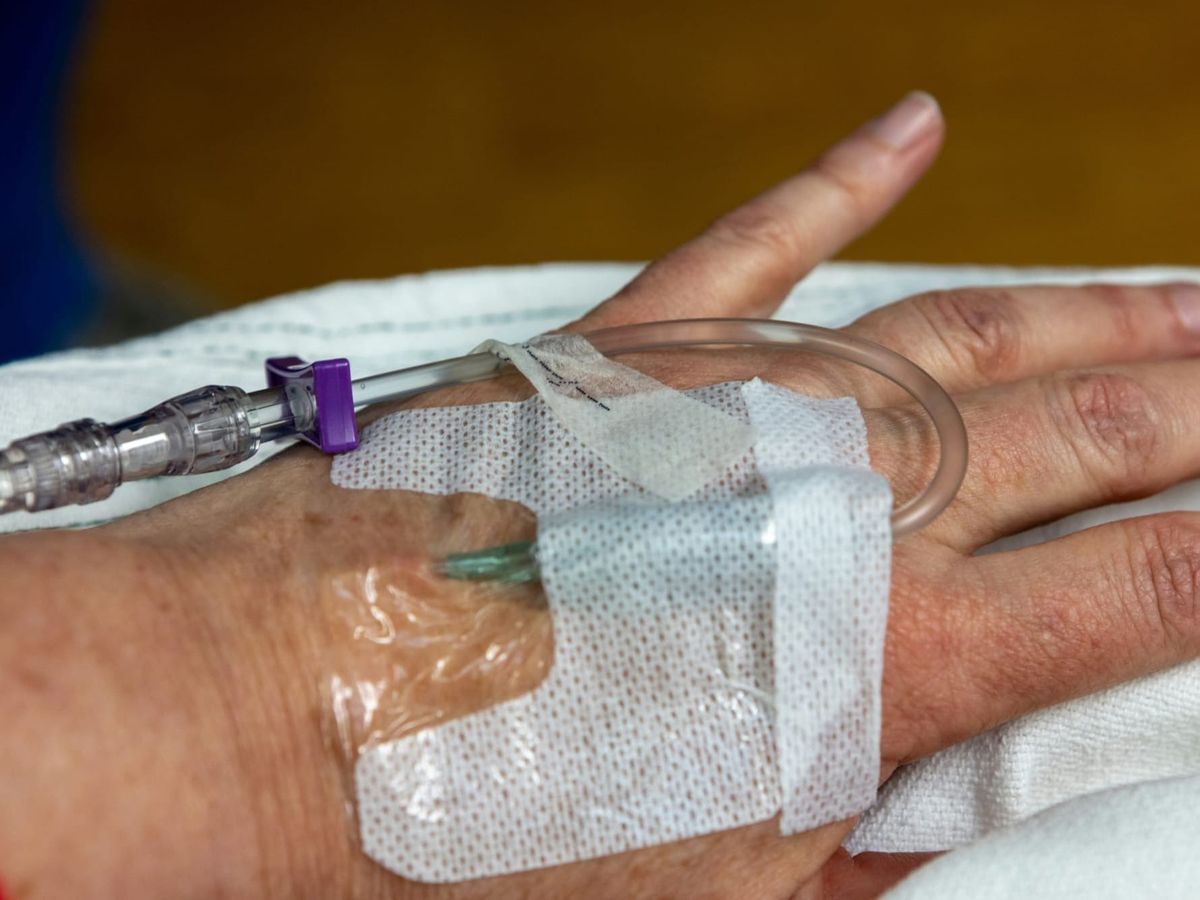
Scientists are investigating whether Alzheimer’s-related proteins could potentially be transmitted through blood transfusions. That does not mean Alzheimer’s has been proven to spread through blood. It also does not mean blood transfusions are suddenly unsafe. And it definitely does not mean you should panic the next time you see a blood donation bus.
But researchers say there is enough evidence to take the possibility seriously and investigate it properly.
A new review published in The Lancet examines whether harmful amyloid-beta proteins, which are strongly associated with Alzheimer’s disease, could potentially be transferred between people through blood or blood products. Here are some clues worth looking into.
The Alzheimer’s theory researchers can't ignore
Alzheimer’s is generally understood as a disease influenced by things such as aging, genetics, and lifestyle. But researchers have increasingly explored the possibility that Alzheimer’s-related pathology might, under certain circumstances, behave somewhat like an infection.
The idea is not that Alzheimer’s itself is a conventional contagious disease. You can't catch it from sitting next to someone, sharing food, or hugging them.
Instead, scientists are investigating whether certain misfolded or abnormal proteins associated with the disease could potentially be transferred between people and then trigger harmful processes in the recipient.
Scientists have already seen some strange clues
The theory is not appearing out of nowhere. In 2015, researchers reported the first real-world evidence suggesting that amyloid pathology could potentially be transferred between humans through certain medical procedures. Research published the following year provided additional evidence.
Then came studies suggesting that contaminated surgical instruments might theoretically transmit Alzheimer’s-associated proteins between patients.
One 2018 paper proposed that this could potentially happen in a way resembling prion diseases, in which abnormal proteins can cause normally functioning proteins to misfold. But blood transfusions are where the question gets especially interesting.
The 2023 Scandinavian study raised eyebrows
In 2023, researchers studying more than 1 million people in Denmark and Sweden found an unusual association. People who received blood transfusions from donors who later developed intracerebral hemorrhages were more likely to experience recurrent brain bleeds themselves years later.
Why does that matter to Alzheimer’s research? Because spontaneous brain bleeds can be a feature of cerebral amyloid angiopathy (CAA), a condition associated with amyloid-beta buildup in the blood vessels of the brain.
CAA isn't the same thing as Alzheimer’s disease, but the two conditions share amyloid-beta.
The researchers behind the new review say one possible explanation is that some donors may have had early, undetected amyloid-beta "seeds" in their blood. Those seeds could theoretically have been transferred during transfusion and later contributed to amyloid-related disease in recipients. Notice the word “possible” doing a lot of work there.
This is a hypothesis, not a confirmed transmission route
The researchers aren't claiming they've solved the mystery. In fact, they are pretty explicit about the uncertainty, as there isn't currently enough evidence to establish that Alzheimer's pathology is actually being transmitted through blood transfusions, how often it might happen, or whether transfusion recipients face a meaningful increase in Alzheimer's risk.
Susan Kohlhaas, executive director of research and partnerships at Alzheimer's Research UK, who was not involved in the review, said the research identifies an important gap in current knowledge.
So should you be worried about getting a blood transfusion?
Not based on this research alone. Blood transfusions save lives, and the researchers themselves emphasize their importance. The known risk described here is considered small, while the evidence for blood-borne transmission of Alzheimer’s pathology remains incomplete.
The researchers aren't calling for people to avoid transfusions but for more data. That could include large epidemiological studies similar to the Scandinavian research, particularly studies involving people who receive repeated transfusions.
Scientists also want to investigate whether blood-based biomarkers could eventually help identify donors who might carry amyloid-beta pathology before they develop symptoms.
There is a reason scientists don't want to wait forever
The researchers also point to a particularly painful example from medical history: the UK's Infected Blood Inquiry, which examined the contaminated blood scandal that affected more than 30,000 patients between the 1970s and 1990s. The inquiry described the scandal as the worst treatment disaster in NHS history.
That history is part of why researchers argue that patient safety sometimes requires investigating a potential risk before scientists have absolute certainty.
So, for now, the appropriate response isn't panic. It's really to keep the blood supply safe, keep investigating, and don't turn a research question into a medical fact before the evidence gets there.
Source: ScienceAlert