Scientists discover why Ozempic and Wegovy weight loss eventually stalls

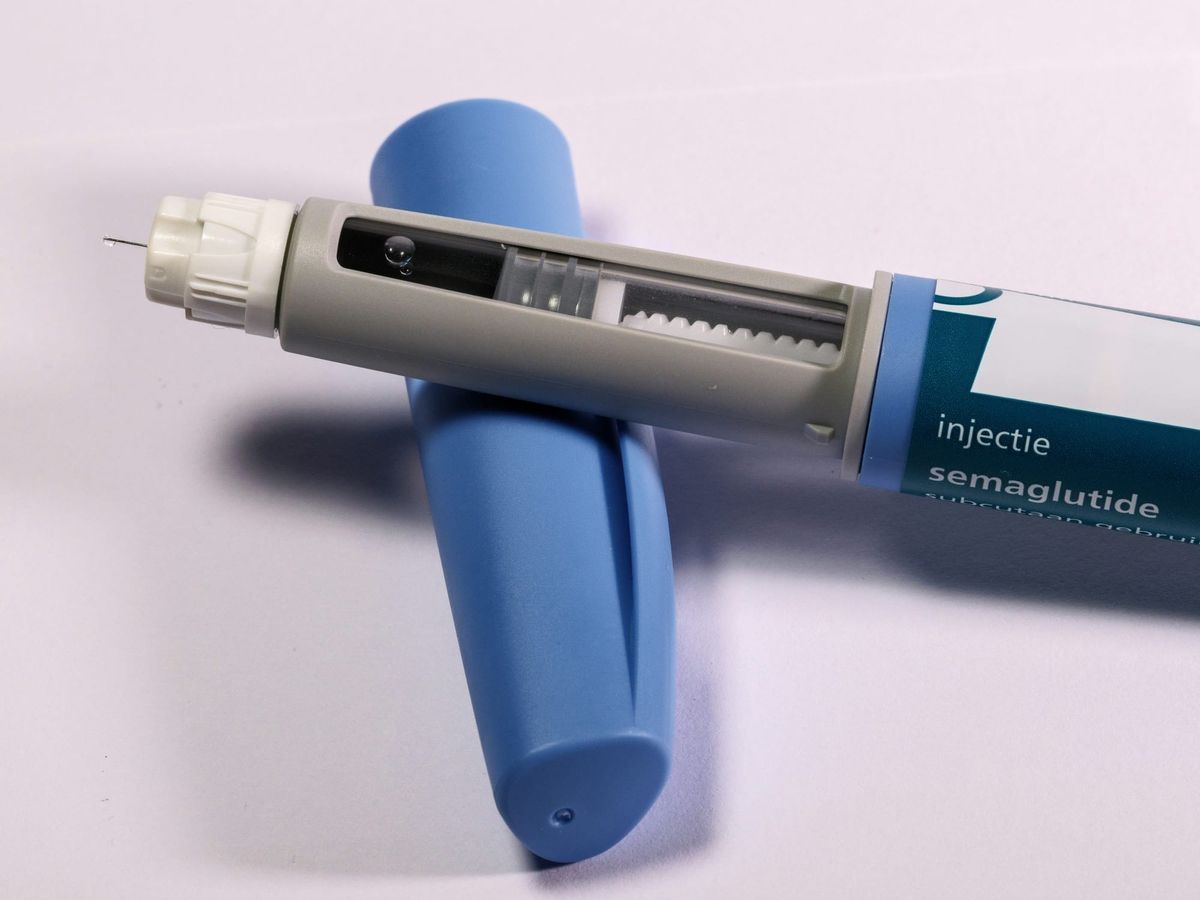
One of the most common frustrations people report with GLP-1 weight-loss drugs is that the results eventually slow down. The scale drops steadily for months, and then suddenly doesn't. Now, researchers say they may have found part of the reason why.
A new study from the National Institutes of Health has uncovered what's happening inside brain cells when drugs like Ozempic and Wegovy interact with the body's appetite-control systems.
And the findings could help explain why some people continue losing weight while others hit a plateau. Let’s dive into it.
The mystery scientists have been trying to solve
Researchers already knew that GLP-1 drugs help reduce appetite. They also knew which parts of the brain were involved. What they did not fully understand was what happens inside the neurons that respond to these medications.
That's where this new research comes in. Scientists used advanced imaging techniques to watch living brain tissue from mice and track how semaglutide affected individual brain cells in real time.
One of the biggest discoveries was that neurons don't respond uniformly. Some cells showed strong, long-lasting reactions to semaglutide while others responded only briefly before their activity faded.
Researchers found that much of the drug's effect depended on a signaling molecule called cAMP, which helps transmit messages inside cells involved in appetite regulation.
But the response wasn't consistent across every neuron. Instead, scientists saw a spectrum of reactions, with some cells staying activated much longer than others.
Why weight loss drugs may eventually stall
The study suggests that some neurons may gradually become less responsive to GLP-1 drugs over time. Researchers believe this could happen because certain cells start reducing or internalizing their GLP-1 receptors, essentially becoming less sensitive to the medication's signals.
If fewer neurons continue responding strongly, the appetite-suppressing effects may weaken. That doesn't mean the drug stops working entirely. But it could help explain why many users eventually experience slower progress after an initial period of significant weight loss.
There is a possible way to extend the effect
The research team didn't stop at identifying the problem. They also tested whether the signaling could be prolonged. Using a separate drug called roflumilast, they blocked an enzyme known as PDE4, which normally breaks down cAMP.
When they did that, more neurons maintained stronger responses for longer periods.
In theory, that could help future GLP-1 treatments remain effective for longer stretches of time. Researchers also believe this approach could eventually help address the weight-loss plateaus many patients report.
Don't expect a new treatment tomorrow
Before anyone gets too excited, there's an important caveat. This research was conducted in mice, not humans. The scientists also note that they could only observe these cellular processes for a limited period of time.
More studies will be needed before researchers know whether the same mechanisms fully explain weight-loss plateaus in people or whether new therapies could safely target them. So, don’t expect a treatment anytime soon.
Source: ScienceDaily