Ozempic and other GLP-1 drugmakers sued over vision loss

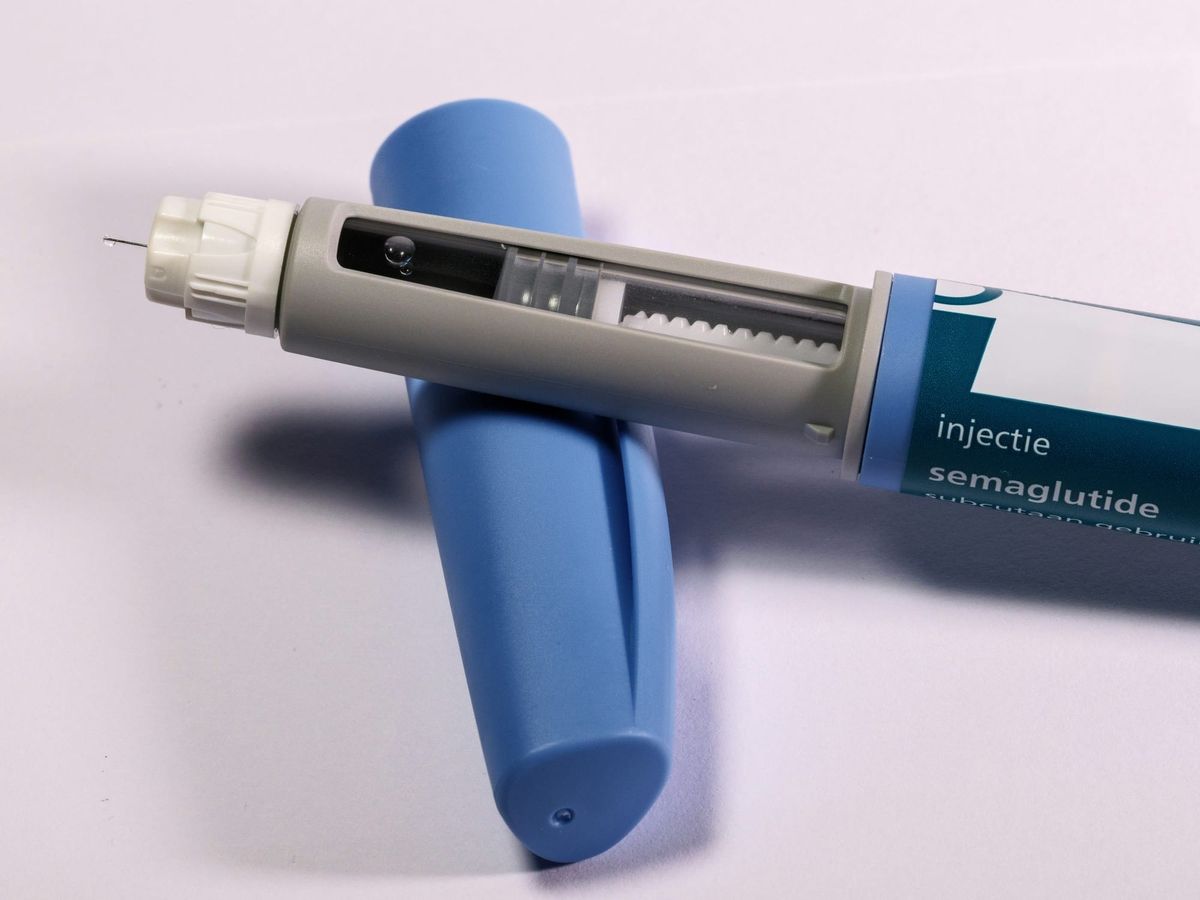
The blockbuster weight-loss drugs Ozempic, Wegovy and Zepbound are now at the center of claims of sudden vision loss. Hundreds of patients have sued GLP-1 drugmakers, alleging the medications caused a rare eye condition called nonarteritic anterior ischemic optic neuropathy (NAION), which can cause sudden and sometimes permanent vision loss. A federal multidistrict litigation proceeding dedicated to these claims had 216 pending actions as of Sept. 1, 2026.
Researchers are still trying to untangle whether there is actually a connection. In the meantime, here is all you need to know about the cases.
The condition behind the lawsuits
NAION is basically what happens when blood flow to the optic nerve is suddenly reduced. The result can be a painless loss of vision, usually in one eye. And it can be seriously disruptive.
One patient involved in the litigation, 66-year-old nurse practitioner Diane Wirth, told NBC News that she went to bed with normal vision and woke up unable to see properly from her right eye. She described the vision as being like looking through petroleum-jelly-smeared glasses.
According to Wirth, she stopped driving, retired early and became more dependent on other people. She is suing Novo Nordisk, although her case does not establish that Wegovy caused her vision loss.
NAION is rare, with estimates generally ranging from about two to 10 cases per 100,000 people per year. It also tends to affect older adults and people with conditions such as diabetes, high blood pressure, high cholesterol and sleep apnea.
Is Ozempic actually causing it?
Scientists don't have a definitive answer yet. Some research has found an association between semaglutide, the active ingredient in Ozempic and Wegovy, and NAION. According to a 2025 analysis of 37 million adults, researchers found a modestly higher risk among semaglutide users compared with people taking SGLT2 inhibitors. A 2024 Harvard study also reported a higher relative risk among people with Type 2 diabetes who were prescribed semaglutide.
However, both studies were observational. So they can identify an association but cannot definitively prove the drug caused the condition. And there are plenty of potential confounding factors. Diabetes itself is an established risk factor for NAION. So are high blood pressure, sleep apnea, high cholesterol and smoking, conditions that can also occur in people taking GLP-1 medications.
The American Academy of Ophthalmology's June 2026 systematic review did not find evidence of a consistent overall increase in NAION risk. A joint statement from the North American Neuro-Ophthalmology Society and the AAO in August likewise said the overall magnitude of the risk remains low, while noting that new research could change the picture.
Europe is treating the signal differently
Regulators aren't all taking the same approach. The European Medicines Agency has determined that there is enough evidence of a possible association between semaglutide and NAION to list it as a “very rare” adverse reaction in European product information. The World Health Organization has cited the European assessment as potentially affecting up to one in 10,000 users.
In the U.S., however, the FDA has not concluded that semaglutide causes NAION and has not issued a specific safety warning. The agency has been evaluating the potential signal as part of its ongoing drug-safety monitoring.
What the drugmakers say
Novo Nordisk, which makes Ozempic and Wegovy, disputes the allegations and has said the lawsuits are without merit. The company has also pointed to research that it says has not found an increased NAION risk.
Eli Lilly, maker of Mounjaro and Zepbound, has similarly said it continues to monitor safety information and that current evidence does not establish that its GLP-1 medications cause NAION.
The companies are also not exactly selling these drugs without any vision-related information. Ozempic and Mounjaro labels include “changes in vision” among possible side effects, while Wegovy and Zepbound labeling tells certain patients with Type 2 diabetes to contact their doctors about vision changes. The lawsuits, however, argue that the companies should have provided more specific warnings about NAION.
The scary part about NAION
Unlike some medication side effects that disappear once you stop taking the drug, NAION can leave lasting damage. There is currently no proven treatment that reverses the optic nerve damage, although some patients may regain part of their vision.
Symptoms typically appear suddenly and without pain. Someone might notice blurred or dim vision, reduced peripheral vision, or changes in color vision sometimes after waking up. And because there is no simple way to know whether a person's NAION was caused by a drug or by their underlying health conditions, researchers have a particularly difficult puzzle to solve.