Ozempic may shield the brain from memory loss, scientists say

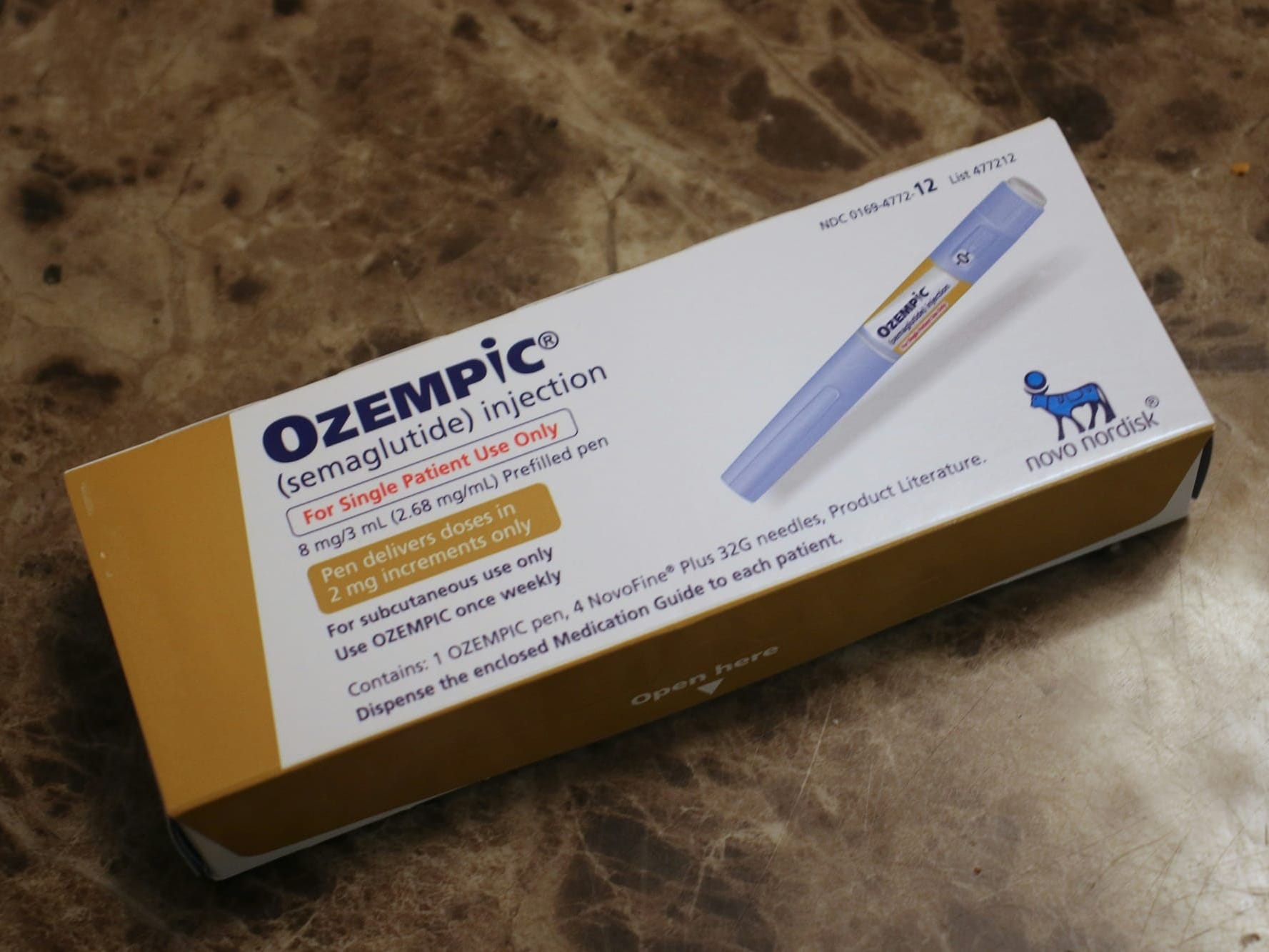
In an unexpected turn of events, scientists are taking a closer look at a potential new benefit of weight loss drugs like Ozempic and Mounjaro. As research continues to build, growing evidence suggests these medications could also support brain health by helping preserve thinking abilities and memory.
An intriguing secondary benefit
Weight loss drugs are having a moment. They have proven to be extremely effective in helping people shed pounds, especially those who have type 2 diabetes or obesity.
Preliminary studies have shown that GLP-1 drugs can potentially lower the risk of developing dementia, but don't seem to slow the progression of Alzheimer's disease once diagnosed.
A new scientific review published in the journal Science examines separate evidence suggesting that GLP-1 drugs may still help preserve memory and thinking skills—particularly in people living with obesity or diabetes, whose cognitive difficulties are often tied to metabolic and blood vessel health.
Not exactly consistent findings
As exciting as this new research is, the downside is that the findings aren't consistent. There's no question that GLP-1 drugs influence the brain's biological processes, but exactly how is where the inconsistencies pop up.
The studies done on animals seem to produce clear data regarding learning and memory, but when research shifts to human clinical studies, not all people react the same.
Earlier treatment may be part of the puzzle
Researchers from the University of Gothenburg and the University of Copenhagen have reviewed the existing data and had some key questions.
"We need to find out whether these treatments can help people with obesity or diabetes preserve their cognitive abilities, particularly if treatment begins before cognitive problems become established," said Stina Börchers, the review's first author and a researcher affiliated with the University of Gothenburg and the University of Copenhagen.
"It is also important to identify which patients might benefit," said Börchers.
Still a lot to study
While this isn't exactly a home run, it does show that GLP-1 drugs could offer more benefits than originally thought. That may play into your decision whether to take them.
Source: ScienceDaily