One-time medical treatment may reverse adult vision loss
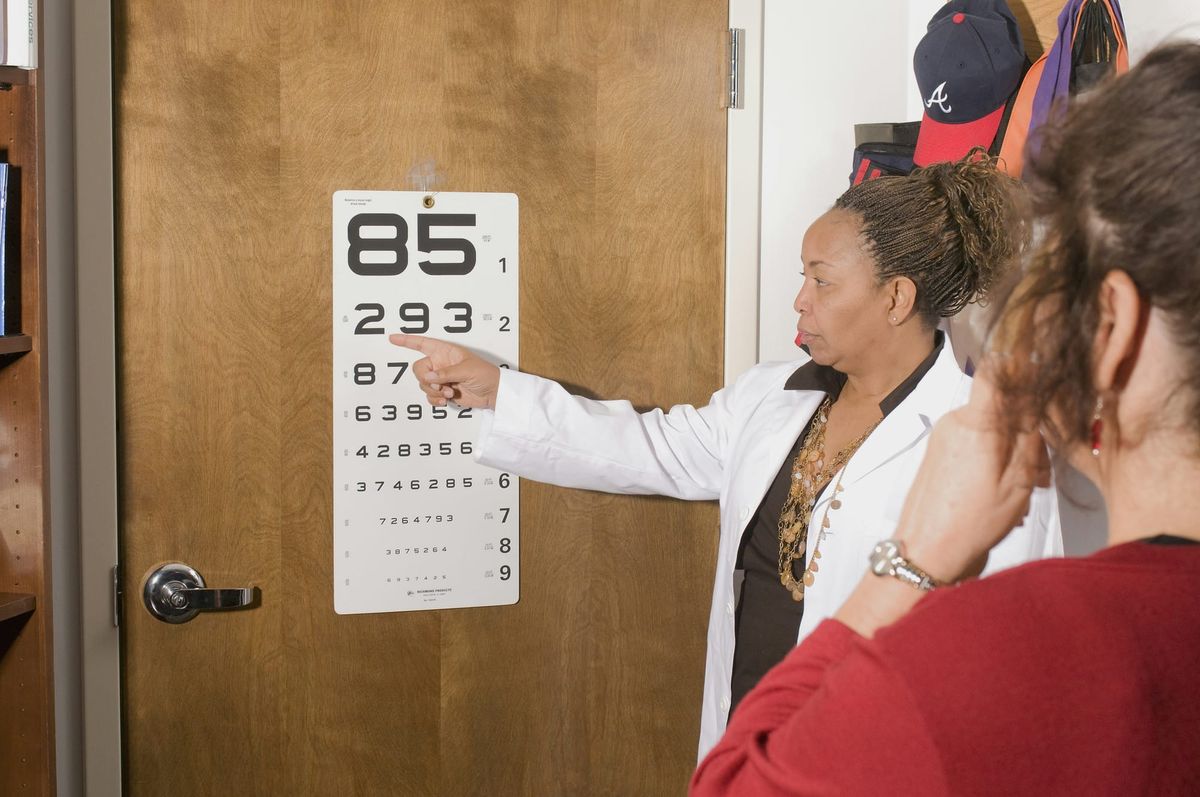
Vision loss isn't something you want to think about, but unfortunately, it's something approximately seven million adults in the U.S. deal with. Now imagine a treatment that doesn't just help, but could potentially reverse vision loss. That is exactly what new research is showing.
One-time treatment could repair damage
If you have damaged retinas, new research is throwing you the lifeline that you're looking for. A new treatment has shown promising potential for repairing and even reversing damaged retinas that led to vision loss.
The treatment was able to repair nerve cells in mammals, which has been thought to be impossible up to this point.
The one-time treatment was shown to improve vision in dim light and helped damaged retinas degrade less. At the same time, the eye's light-sensing cells expanded, allowing test subjects to see far better in dim environments.
Researchers studied the CaBP4 gene
Researchers specifically looked at faulty CaBP4 genes. These faulty genes cause poor vision from childhood because they lack the protein needed for vision and signal transmission in the retina.
Because this protein can also affect vision in dogs, researchers at Michigan State University injected the retinas of dogs with a harmless virus that contained a working copy of the CaBP4 gene.
Results were promising, showing growth in the outer plexiform layer while restoring the delicate chemical junctions (synaptic ribbons) that allow eye cells to communicate with the brain.
Researchers call it a potential building blueprint
The researchers involved in the study said this could be laying the groundwork for a building blueprint for the eyes.
“One can essentially discuss the mutations in the retinal gene as a typo in a blueprint that makes the instructions incomprehensible to the system, resulting in a faulty design and subsequent vision loss,” study lead Billie Beckwith-Cohen said in a press release.
Researchers followed up with the test subjects three years later, and the results proved long-lasting.
The future for vision loss could be brighter
Research like this means that if you suffer from vision loss, the future could be much brighter.
Sources: CDC, New York Post