FDA approves new pancreatic cancer pill priced at $480,000 per year

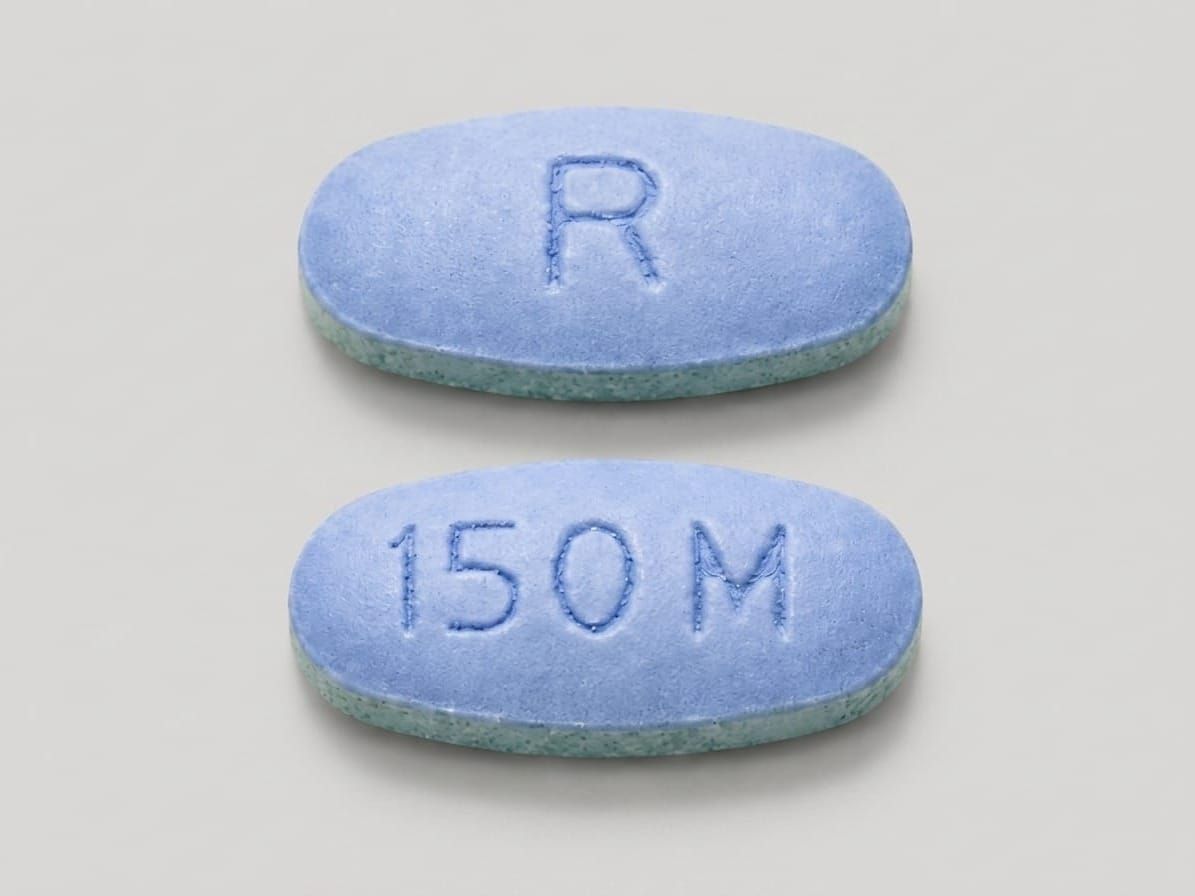
A groundbreaking new pill that can significantly extend the lives of some pancreatic cancer patients has officially been approved by the FDA. There is just one jaw-dropping catch—it comes with a heavy price tag.
The newly approved drug, called Rasonque, costs $663 per pill—roughly $39,800 for a month's supply, or $480,000 per year. Also known as daraxonrasib, it is taken as two pills a day.
A major breakthrough against an incredibly deadly cancer
The FDA approved the daily pill for patients with advanced pancreatic cancer whose disease has continued to progress after previous treatment. The drug, developed by Revolution Medicines, works differently from traditional chemotherapy.
Rasonque targets mutations in the KRAS gene family, which help fuel tumor growth in more than 90% of pancreatic cancer cases. For decades, scientists struggled to develop drugs capable of effectively targeting these cancer-driving proteins. They were even famously described as "undruggable."
Rasonque changes that. Think of the drug as molecular superglue. It binds to multiple mutated KRAS proteins and blocks the signals that help cancer cells grow.
And the results from clinical trials were significant. Patients taking the drug had a median survival time of 13.2 months, compared with 6.7 months for patients receiving chemotherapy. That's nearly double the survival time. It also came with fewer severe side effects than chemotherapy, although patients still experienced issues including skin rashes, mouth sores, diarrhea, and other digestive problems.
"This medicine is not a cure but a significant improvement," Dr. Andrew Coveler of the Fred Hutch Cancer Center said following the approval.
A breakthrough with a brutal price tag
Rasonque's list price is a staggering amount of money for almost anyone, especially people already navigating a devastating cancer diagnosis. However, a spokesperson for Revolution Medicines has defended the price, saying it “reflects its differentiation and the meaningful benefit it provides for patients.”
To be clear, the $480,000 figure is a list price, meaning it isn't necessarily what insurers will ultimately pay. Health insurers typically negotiate discounts with pharmaceutical companies, and patients may pay a fraction of the total cost depending on their insurance coverage. But the enormous list price still matters, as the out-of-pocket costs for patients will still be significant.
America has an expensive relationship with medicine
The U.S. is hardly the only country where cutting-edge medicines cost a fortune. But the American system is unusual in how much freedom pharmaceutical companies have to set extremely high list prices.
Many other developed countries have stronger mechanisms for controlling or negotiating drug costs, particularly for medicines considered essential or life-saving. That does not mean developing new drugs is cheap. Clinical trials, failed experiments, research, and regulatory approval can cost pharmaceutical companies billions of dollars. And companies argue that the potential financial rewards help fund the development of future treatments.
Critics argue there is a major difference between earning enough to fund innovation and charging whatever desperate patients will tolerate.
Pancreatic cancer desperately needs new treatments
The excitement surrounding Rasonque isn't difficult to understand. Pancreatic cancer is one of the deadliest forms of cancer, partly because it can be difficult to detect before it spreads to other parts of the body.
The American Cancer Society estimates that approximately 67,000 people will be diagnosed with pancreatic cancer in the U.S. this year, while more than 52,000 people are expected to die from the disease. The overall five-year survival rate is just 13%. Unlike some other cancers, pancreatic cancer has been stubbornly resistant to new treatment approaches.
That is why researchers are so excited about Rasonque. It does not cure pancreatic cancer, but it represents one of the biggest advances patients have seen in years. And its impact could eventually stretch beyond pancreatic cancer, as Revolution Medicines is also studying its KRAS-targeting technology for other cancers, including lung cancer. Other drugmakers are developing similar treatments, raising hopes that a protein once considered impossible to target could become a major new front in cancer treatment.
Sources: KTLA 5 News, NPR, New York Times