California's new disposable vape ban comes with $2,000 fine for sellers and distributors
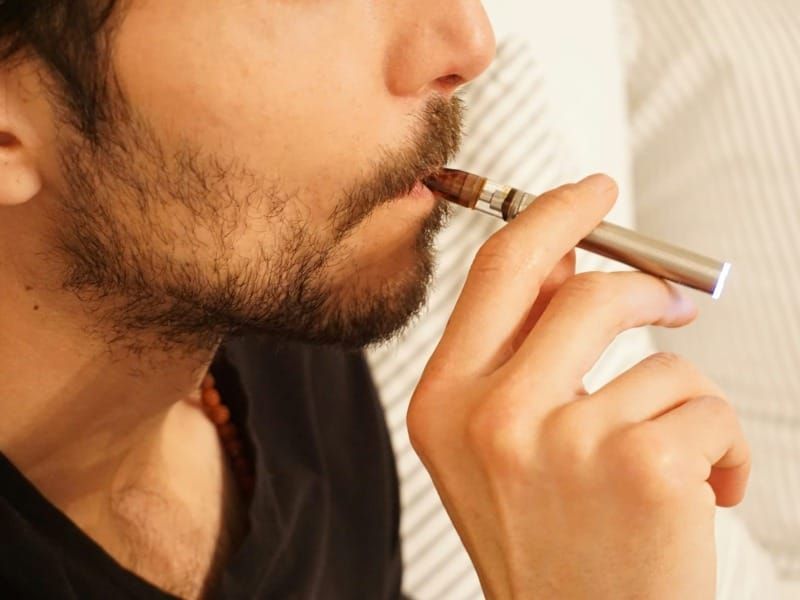
If you live in California and sell or distribute disposable vapes, you could be at risk of a huge $2,000 fine. The state is moving to make disposable vapes illegal because of the waste they create and the potential risk they pose.
What the bill actually changes
The state Assembly has now approved Assembly Bill 762, which tackles battery-powered disposable vaping devices. If Gov. Gavin Newsom signs the bill into law, it will make manufacturing, distributing, and selling the devices in California illegal.
The bill specifically targets the single-use, battery-embedded electronic cigarettes that have tobacco in them. Any cannabis devices are exempt under the bill.
“We are hopeful the Governor will recognize the threat these devices pose to our communities and that the costs of cleaning up the mess these devices leave are borne by ratepayers,” the bill’s sponsor, Assemblymember Jacqui Irwin (D-Thousand Oaks), said in the news release.
Only refillable vapes would be legal
Should this bill be signed into law, it means you'll only be able to purchase a refillable vape or use replaceable pods. Devices must feature a rechargeable battery as of Jan. 1, 2028.
The law's long lead time means manufacturers, retailers, and consumers have time to transition to non-disposable options.
They have become a trash plague
Those who were pushing for the bill to become law argue that disposable vapes have become a trash plague in public spaces such as beaches, parks, and streets.
They also leak toxic chemicals like chromium, lead, cobalt, lithium, zinc, copper, nickel, battery acid, and microplastics.
The consumer advocacy group CalPIRG shared a staggering statistic. According to them, 5.8 vape devices are thrown away per second in the country, which equates to 500,000 disposable vapes per day.
California could be setting a new trend
If the bill is signed into law, California could spark a new country-wide trend. If you currently use disposable vapes, this could be your cue to voluntarily make the transition.
Source: Los Angeles Times