Uber drivers say Waymo robotaxis are slashing their pay

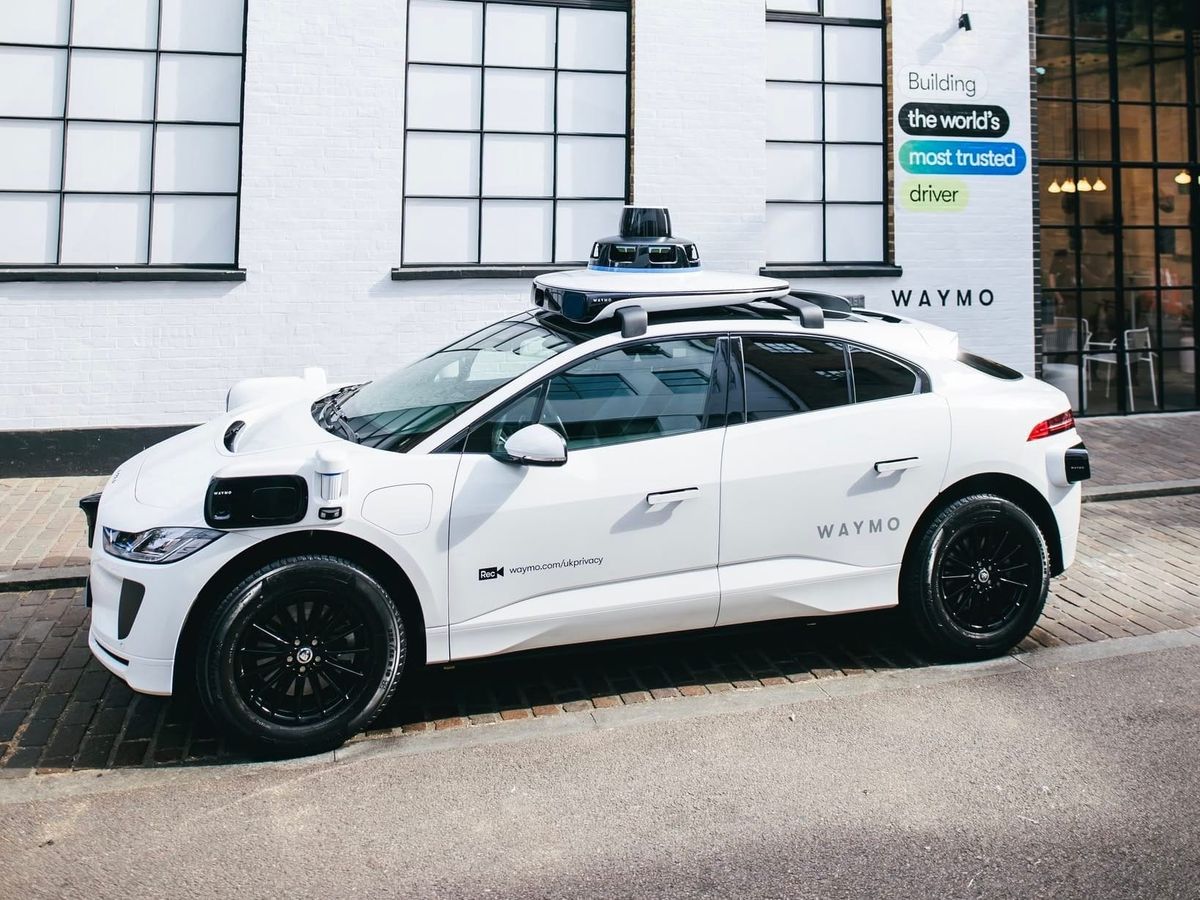
The robotaxi future is here, and Atlanta rideshare drivers are not exactly giving it five stars. Uber and Lyft drivers in the city say their earnings have taken a hit since Waymo launched its autonomous ride-hailing service there in June 2025. Now, the Atlanta Rideshare Drivers Union wants officials to slow Waymo's expansion and even make robotaxis pay a fee for every ride they take.
Welcome to the next phase of the automation wars.
Drivers say the rides are disappearing
According to the Atlanta Rideshare Drivers Union, drivers have been reporting fewer fares, lower pay, and longer waits between rides since Waymo arrived. The union has not collected hard data proving that Waymo is directly responsible for the drop in earnings. But the complaints have reportedly become common enough that drivers are sharing screenshots of their pay in a group chat and the mood isn't exactly optimistic.
It's also easy to see why drivers are worried. Waymo is not operating as some completely separate rival that passengers have to seek out. The company partnered with Uber, allowing riders in Atlanta to hail autonomous vehicles directly through the Uber app.
This way, a driver can open the same app they use to find work while passengers using that very app are being picked up by a car that doesn't need a paycheck.
The proposed solution: make the robots pay up
The drivers' union has proposed a solution in the form of a robotaxi impact fee. Under the proposal, between 50 cents and $1 could be added to every robotaxi ride. The money would go into a "driver transition fund" designed to help displaced rideshare drivers with job training and other support programs.
The argument is that if companies make money by replacing human workers with automation, they should help those workers figure out what comes next. It is essentially an automation tax, except instead of taxing AI in some vague, theoretical way, the proposal would put a tiny surcharge directly on each robot-driven ride.
And keep the robots away from the airport
The union is also requesting that robotaxis be kept away from Hartsfield-Jackson Atlanta International Airport. Airports have historically been among the most reliable places for rideshare drivers to find passengers. A steady stream of travelers needs transportation, often at all hours, making airport trips a valuable source of income.
If robotaxis start competing for those rides, drivers could lose one of their most dependable hunting grounds.
Whether lawmakers will agree with the proposed rule is another matter entirely.
Waymo is already putting in some serious mileage
Waymo has been busy since arriving in Atlanta. The company's autonomous vehicles have logged more than 5.4 million miles of fully autonomous rides in the city since the service launched. That's a lot of time for passengers to get comfortable with the idea of being driven by a vehicle with no one behind the wheel.
Of course, the rollout has not been completely glitch-free. For one, Atlanta residents have complained about Waymo vehicles congregating in suburban neighborhoods. There is also the issue of the autonomous vehicles repeatedly driving into flooded sections of roads. But those issues haven't stopped Waymo from becoming a significant part of Atlanta's transportation ecosystem.
Atlanta is not the only city fighting the robots
Rideshare drivers across the U.S. are increasingly pushing back against autonomous vehicles. Drivers have protested against Waymo in San Francisco, while similar demonstrations have occurred in New York City, Los Angeles, and Seattle.
And the anxiety isn't limited to people driving cars for a living. The California branch of the Teamsters union recently sued state lawmakers over regulations it claims could accelerate the adoption of autonomous vehicles without adequately considering the effect on workers, including truck drivers.
Amid all this, Atlanta's proposed robotaxi fee represents one possible answer to a question that’s going to grow louder as AI and robots become increasingly capable: Should companies that profit from automation help pay for the workers being displaced? There is no easy answer. But if Atlanta drivers get their way, the robots could soon be helping fund the human drivers left behind as they drive passengers around town.
Source: Futurism