Study shows ultra-processed snacks engineered for addiction

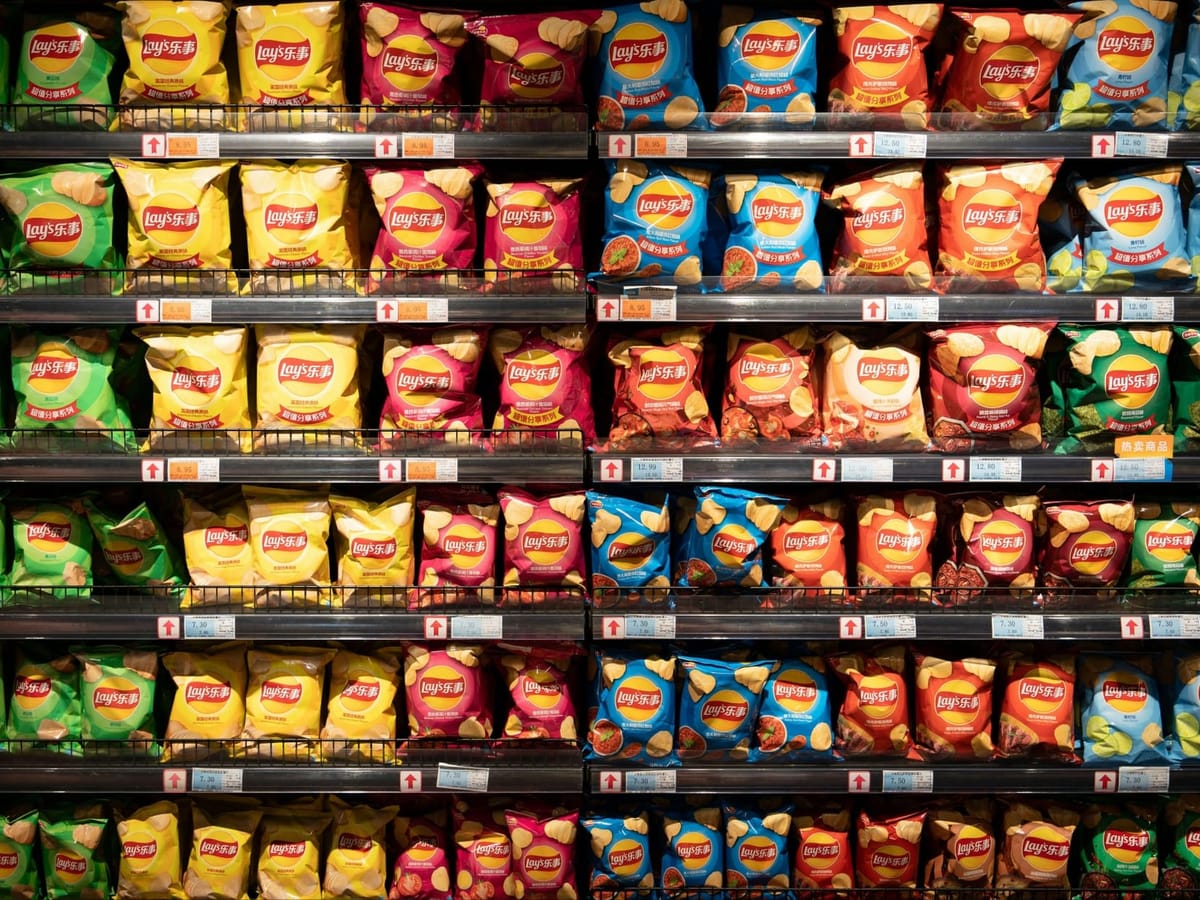
If your snack aisle feels like a mad scientist’s lab lately, it is not an accident.
A new study published in Milbank Quarterly says that ultra-processed foods are deliberately engineered to hijack your brain. Yes, that same psychological playbook that once made cigarettes so hard to quit.
According to the researchers who conducted the study, mashups like Coca-Cola-flavored Oreos and Oreo-flavored Coca-Cola or barbecue-flavored Cheetos are not just innocent mashups. They are largely strategic. By combining novelty (ooh, new flavor!) with nostalgia or familiarity (I already love Oreos), companies trigger two powerful evolutionary drives at once. That combo nudges you to try the new fusion. Then, refined carbs, fats, salt, and sugar take over and trigger dopamine, which makes you feel intense but brief pleasure. That explains why you keep reaching back into that bag of your favorite snack. Before you know it, you’re standing at the edge of overconsumption.
Ultra-processed snacks and cigarettes are more similar than you think
The study draws parallels between tobacco and ultra-processed foods:
- Both are industrially engineered for maximum sensory impact that keeps you coming back.
- Both deliver a “just right” hit of active compounds (nicotine in cigarettes vs. refined carbs/fats in ultra-processed foods).
- Both rely on flavor, aroma, and texture to reinforce repeated use.
- Both offer very intense but brief highs.
Are we bidding the snack gods goodbye?
Ultra-processed foods now account for over half of the American diet. And they’re linked to obesity, Type 2 diabetes, heart disease, some cancers, and even premature death. They’re also known to disrupt gut bacteria and promote inflammation.
Researchers are calling for tobacco-style regulation. This means:
- Stricter marketing rules
- Clearer labeling
- Higher taxes
- Limited exposure in schools and hospitals
- Legal action over misleading health claims
Ultra-processed snacks aren’t going anywhere tomorrow. But the way we think about them might. So, our question for you is: does this change how you see your favorite mashup or are you still grabbing that hot honey chips tonight?
Source: New York Post