Parents warned after petting zoo animals test positive for rabies

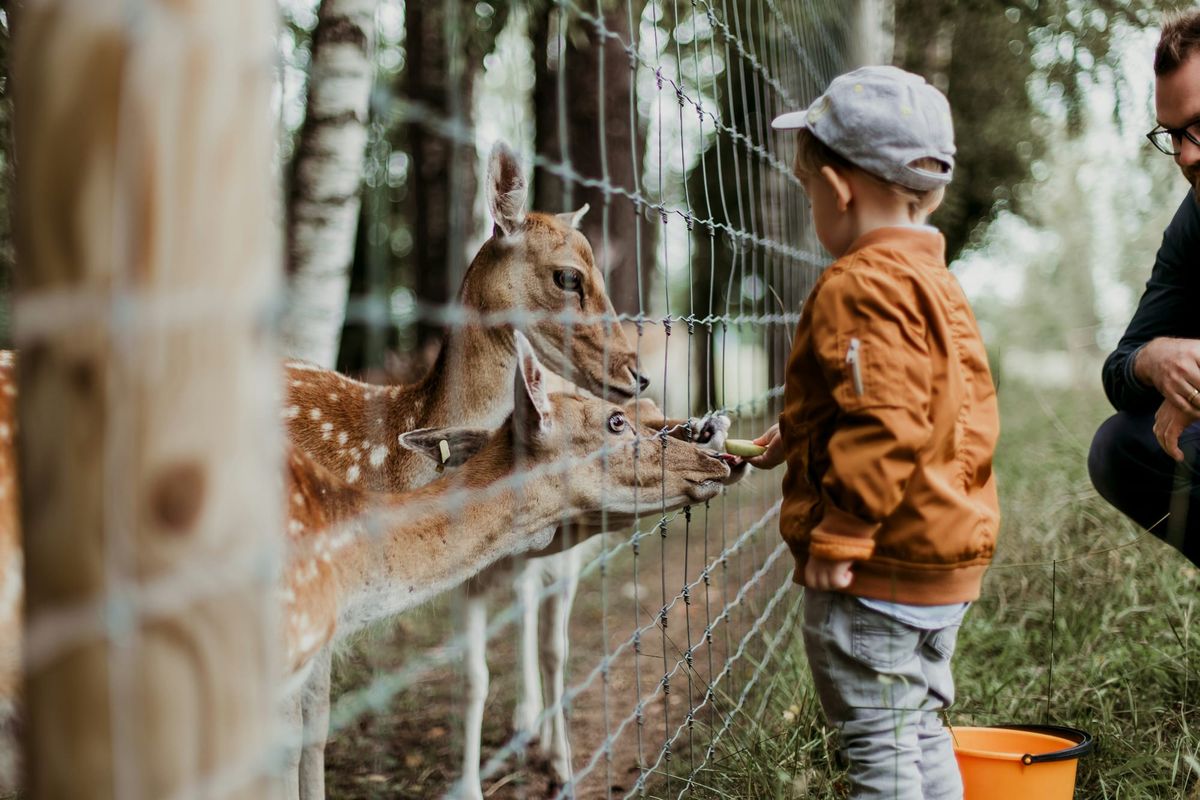
A trip to a petting zoo is supposed to end with cute photos, dirty shoes, and maybe an enthusiastic child begging for a pet. Instead, parents in North Carolina are now being urged to contact health officials after several baby goats at a traveling petting zoo tested positive for rabies.
Since rabies is one of those diseases you absolutely do not want to casually wait and see about, officials are asking anyone who visited the zoo during a specific month-long window to find out whether they may need treatment.
How a petting zoo turned into a public health scare
The trouble reportedly began when a skunk entered the goats' pen in late July. According to the petting zoo's owner, the young goats were kept in an isolated area because they were too young to receive rabies vaccinations. But before the skunk was removed, it allegedly bit the animals.
That created a nightmare scenario. On August 28, laboratory tests confirmed that three baby goats had rabies. A fourth goat was also suspected of having the virus but was not tested. The animals were euthanized to prevent further spread. Unfortunately, they had already met lots of people.
Schoolchildren and seniors exposed
The traveling petting zoo had visited an assisted-living center, a back-to-school event and six private events between July 28 and August 27. This means children and adults may have come into contact with the animals before anyone realized they could have been exposed to rabies.
Understandably, some parents were not exactly taking the news lightly. One mother whose son encountered the goats said she initially thought the warning was a joke before the seriousness of the situation sank in.
Rabies is no joke
Rabies is almost always fatal once symptoms appear. The good news is that people who may have been exposed can receive treatment designed to prevent the infection from developing. But getting help quickly is crucial.
Rabies can take weeks to produce symptoms, which means someone might feel perfectly fine after an exposure. Once symptoms begin, however, the situation becomes dramatically more dangerous.
Human rabies infections are rare in the United States, with fewer than 10 deaths reported annually. But the virus is serious enough that more than a million Americans seek medical care for potential rabies exposure each year.
Wild animals including bats, raccoons, skunks, and foxes are among the most common sources of human exposure.
What parents and visitors should do now
North Carolina health officials are asking anyone who interacted with the traveling petting zoo's animals between July 28 and August 27 to contact local health authorities and determine whether treatment is necessary. The most important thing here is not to panic. But at the same time, do not ignore a possible exposure.
Rabies isn't the kind of health scare where Googling symptoms is an acceptable strategy. If you or your child had contact with one of the animals, public health officials can help assess the situation and determine what steps should come next.
Source: Futurism