New dinosaur species identified from fossil found 25 years ago
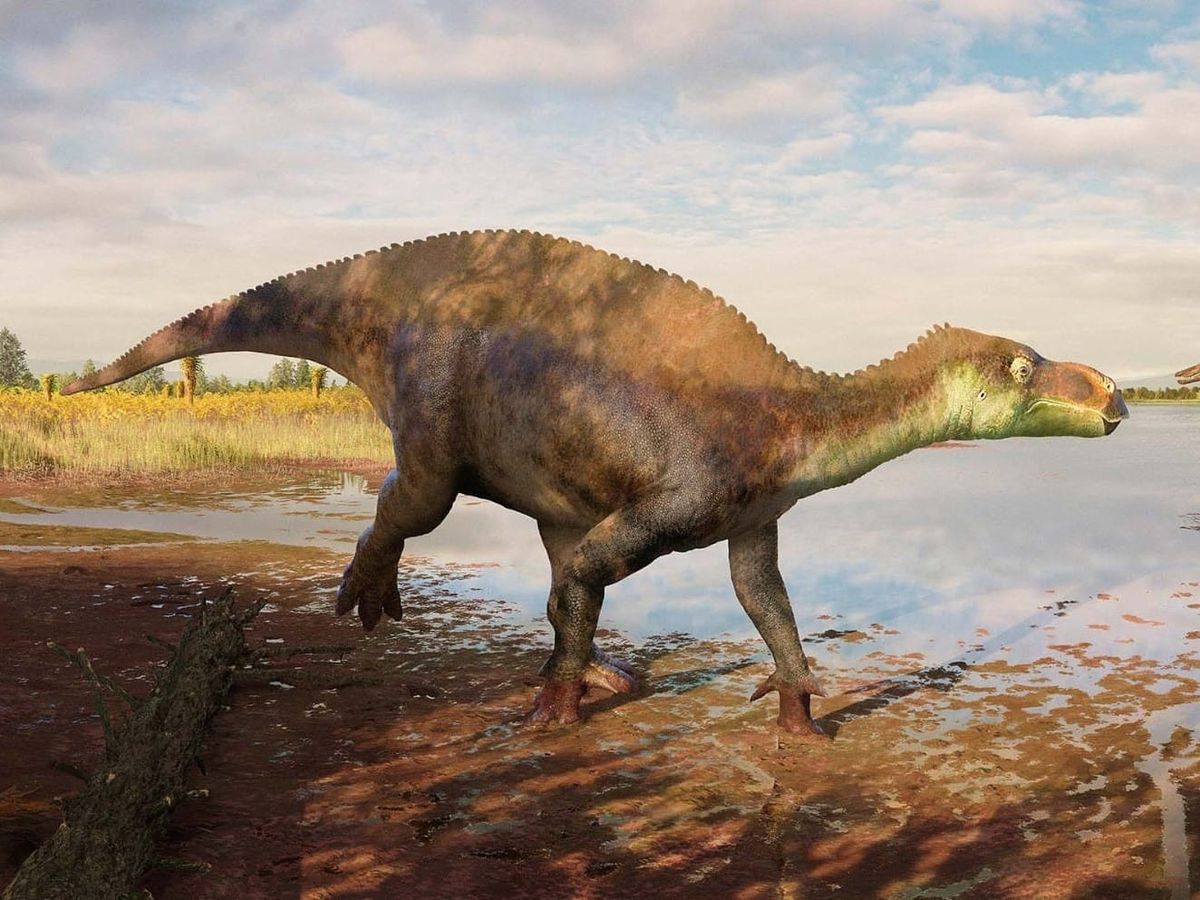
Scientists have made an exciting new dinosaur discovery after identifying fossilized remains found more than 25 years ago. The fossils were found in southern England, and the dinosaur has been identified as a herbivorous dinosaur that lived 125 million years ago.
Scientists are always learning
While so many dinosaur fossils have been found and identified, this latest discovery just cements how much more there is to learn about them.
The new dinosaur, now named Paludohadros proudlovii, was originally discovered in 2001. The fossils were recently re-examined by scientists who came to the conclusion that it was a different species.
They published their findings in the Journal of Systematic Palaeontology in late October.
What scientists learned
The name Paludohadros proudlovii may seem completely random, but it actually tells us a bit about the dinosaur.
According to the researcher who led the study, Ricardo Sacamoto, a PhD researcher in palaeontology at the Natural History Museum in London and the University of São Paulo in Brazil, the first part of its name is Latin for "swamp."
The researchers said the dinosaur would have lived in a swamp, which makes sense since massive portions of southern England were covered in muddy wetlands during that time.
The dinosaur was part of the iguanodontian group. These were herbivorous dinosaurs that were very common during the Early Cretaceous Period.
Originally labeled wrong
Making this story even more interesting is that scientists originally thought there were only two types of iguanodontian dinosaurs. In 2023, they discovered there were more, which sparked a re-examination of previously labeled fossils.
Other details they identified were that the dinosaur walked on four legs, weighed a maximum of two tonnes and was five metres in length. Picture the size of a rhinoceros.
Because its bones hadn't fully developed, it also means it was a juvenile when it died.
Always fun to learn more
Whether it's the kid in you or just a constant quest to learn more, dinosaur fossil discoveries continue to grab our attention and imagination.
Source: Daily News Egypt