California's $20 minimum wage is being blamed for 65 Carl's Jr. closures
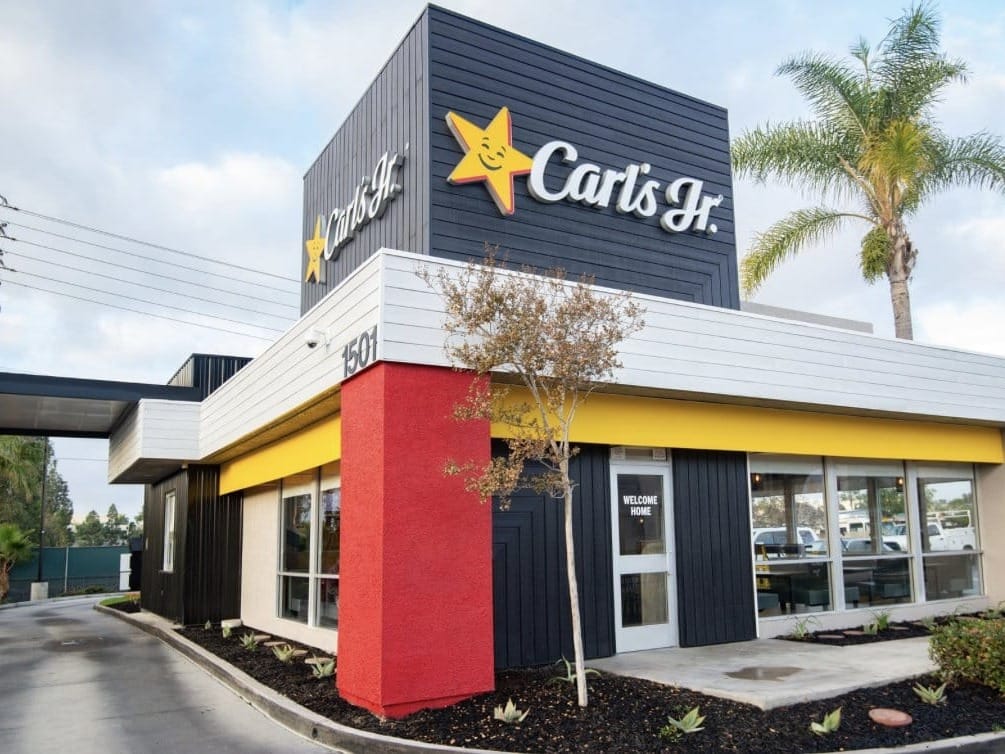
Not everyone is celebrating California's boost to the minimum wage. The increase is now being blamed for a major California-based Carl's Jr. franchisee owner filing for Chapter 11 bankruptcy protection, risking the fate of 65 locations.
Franchise operator files for Chapter 11 bankruptcy protection
A large Carl's Jr. franchise operator has filed for Chapter 11 bankruptcy protection, surprising the community and customers.
The filing took place in the Central District of California, and was initiated by Friendly Franchisees Corporation.
Carl's Jr. calls it an isolated event
Carl's Jr. has been quick to respond to the filing, stating that it's an isolated event and isn't a reflection on the overall standing of the chain.
“This situation is specific to this individual franchisee’s financial and business circumstances,” a company spokesperson told Restaurant Dive. “This has no impact on the operations of any other Carl’s Jr. locations, and we remain committed to delivering quality experiences for our guests.”
There are more than 575 Carl's Jr. locations in California, making it a huge player in the fast-food burger industry.
It's not just Carl's Jr. that's feeling the heat
Those working in the industry point to rising costs in labor, food, and rent, along with declining sales, as the main problems. The fast food landscape is changing, and Carl's Jr. is the latest chain to feel the heat.
It's no secret that customers feel like prices are getting out of control. Fast food is now becoming a luxury instead of a regular option.
With minimum wage now being $20 an hour in California, it increases the costs for franchise owners even more. Many of these franchises had to raise prices, further frustrating customers.
Increasing the minimum wage can be a vicious circle for some businesses
Employees getting a hike in minimum wages in the state of California are celebrating, but you have to wonder what the knockdown effects are. Higher labor costs are ultimately passed on to you, the consumer. It just comes down to how much of the increase you'll need to absorb.
Sources: Restaurant Dive, The Street, Restaurant Business