Boeing cuts 2500 commercial airplane jobs amid production delays

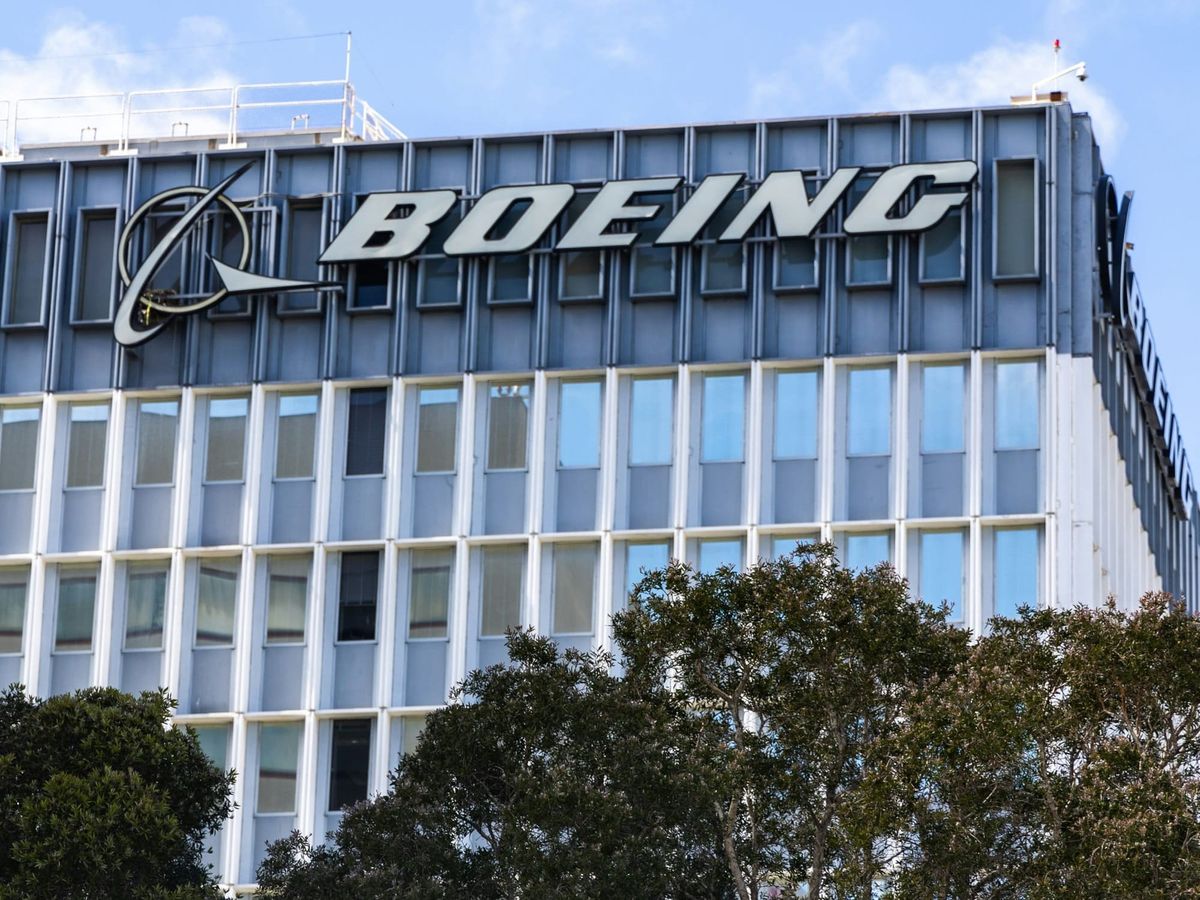
Boeing has thousands of airplanes waiting to be built and delivered, but apparently, that is not translating into enough work to keep everyone on its commercial aircraft payroll. The aerospace giant is preparing to cut approximately 2,500 jobs, or 5% of its commercial airplane workforce, as production delays force it to rethink how quickly its factories can ramp up output.
The cuts will happen through a combination of voluntary departures, natural attrition and involuntary layoffs, according to Stephanie Pope, head of Boeing Commercial Airplanes. Employees are expected to start receiving layoff notifications in December.
The decision comes as Boeing struggles to stabilize production of its bestselling 737 Max jets, with factory and supply chain problems slowing progress more than the company anticipated. In a memo to employees, Pope explained that adjusting production schedules and reducing aircraft output had left the company with more workers than its revised business plan required.
Boeing's 737 Max production plans keep getting pushed back
The biggest headache is the 737 Max, one of Boeing's most important commercial aircraft programs. The company has been working to stabilize production at approximately 47 planes per month, but getting there hasn't been as straightforward as expected. Problems with wing production, in particular, have slowed the process.
Boeing CEO Kelly Ortberg told investors in October that the company wouldn't significantly increase 737 Max production until the second half of 2027.
The longer-term target is to reach 52 aircraft per month, up from the current target of 47. However, Boeing needs to get its manufacturing operations and component supply chain under control before making that jump.
The company is also taking a slower approach to increasing production of its 787 Dreamliner, with plans to move from eight aircraft per month to ten.
Thousands of planes are waiting, so why are jobs disappearing?
Boeing reportedly has a backlog of more than 6,300 aircraft worth over $610 billion. But having orders isn't the same as having the manufacturing capacity to fulfill them.
Boeing needs a reliable supply of components, functioning production lines and enough manufacturing stability to build aircraft at the planned pace. If parts are not arriving on time or assembly operations aren't running smoothly, a massive order book does not automatically translate into more planes rolling out of factories.
The company is essentially trying to avoid promising an increase in production that its factories aren't ready to deliver. Unfortunately, that slower schedule also means fewer workers are needed under its revised production plan.
The layoffs are to begin in December
Boeing's commercial airplane division employs roughly 50,500 people, making the planned 5% reduction a significant workforce adjustment. According to the company, it will use both attrition and involuntary layoffs to reach its target, with notifications beginning in December.
Boeing has also said it plans to support affected employees through career transition services, layoff benefits and its employee assistance program.
The cuts come as the manufacturer continues working through broader operational and financial challenges. Its 737 Max program has faced years of scrutiny following the fatal crashes in 2018 and 2019, while production disruptions and supply chain problems have continued to complicate its recovery.
For Boeing, getting production back on schedule is about more than building additional airplanes. It needs to convince airlines, investors and regulators that it can deliver reliably without allowing manufacturing problems to spiral again. Until its factories can catch up with its ambitions, thousands of workers are facing an uncertain future, even as the company sits on one of the industry's largest aircraft backlogs.
Sources: CNBC, Simple Flying