Apple Pay users warned after text scam nearly costs woman $15,000

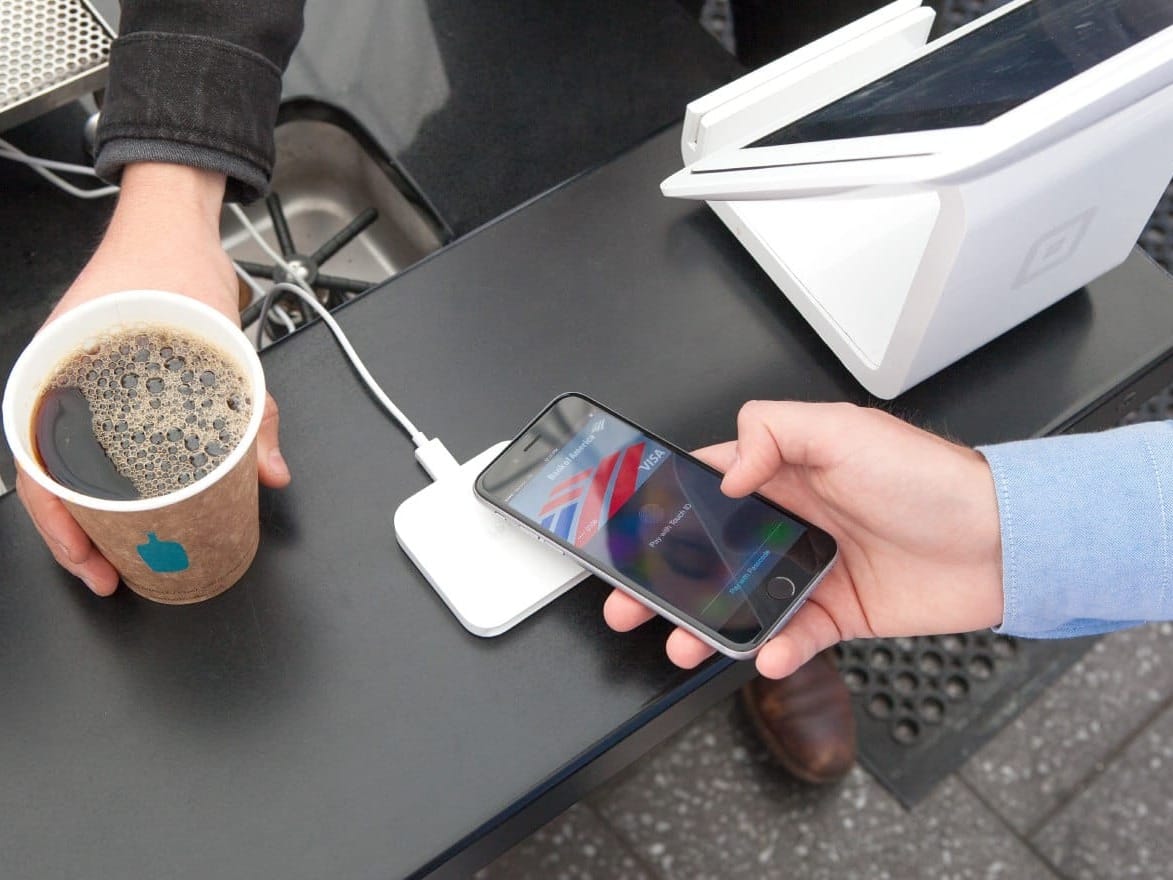
A suspicious charge notification isn’t unusual. It’s the kind of thing most people try to fix quickly and move on from.
That’s exactly what made this scam almost work on a woman named Dorothy who received a text about a $144 charge tied to Apple Pay. This was a service she didn’t even use. What followed was a phone call that sounded official, controlled, and convincing enough to almost lead to a $15,000 loss.
The scam moves fast from text to full control
This type of scam starts with a simple alert about a suspicious charge. The message includes a number to call, which connects directly to a scammer posing as support, a bank, or even law enforcement.
From there, things escalate quickly.
In Dorothy’s case, the person on the phone claimed to be working with agencies like the FBI and FDIC. They knew personal details about her and used that information to build credibility. Then came the pressure in the form of instructions to withdraw $15,000 and keep the reason hidden from the bank. She was even taught to lie that she was buying a car if probed on the withdrawal.
What makes this scam effective is how the bad players behind it control the situation. They stay on the phone, keep the conversation moving, and create a sense that something urgent is happening. The target is only given time to act, not to think.
What stopped the woman from losing her money
Dorothy was told to stay on the call while driving to the bank and to lie if questioned. But she paused. At the bank, she told an employee she felt uncomfortable and was advised to hang up immediately. The bank confirmed it was a scam and that no money was lost.
That outcome isn’t guaranteed. But the warning signs were all there. A text about a charge asking you to call a number, and someone claiming authority (bank, tech support, or government), instructions to withdraw large amounts of cash. There was also the pressure to act quickly and keep things secret.
Each one is a red flag. And together, they point boldly to a brewing scam.
What this comes down to
No legitimate company like Apple will ask you to withdraw cash to “protect” your account.
No bank or government agency will tell you to lie to your bank. And no real fraud process depends on keeping you on the phone while you move money.
In this scam, the tactic is to create urgency, build trust, and remove your time to think.
Knowing that, the counter is just as simple. Pause long enough to question it. Because for Dorothy, that pause is what kept her $15,000 exactly where it belonged.
Source: Fox News