Amazon paid trucker millions for deliveries that never happened

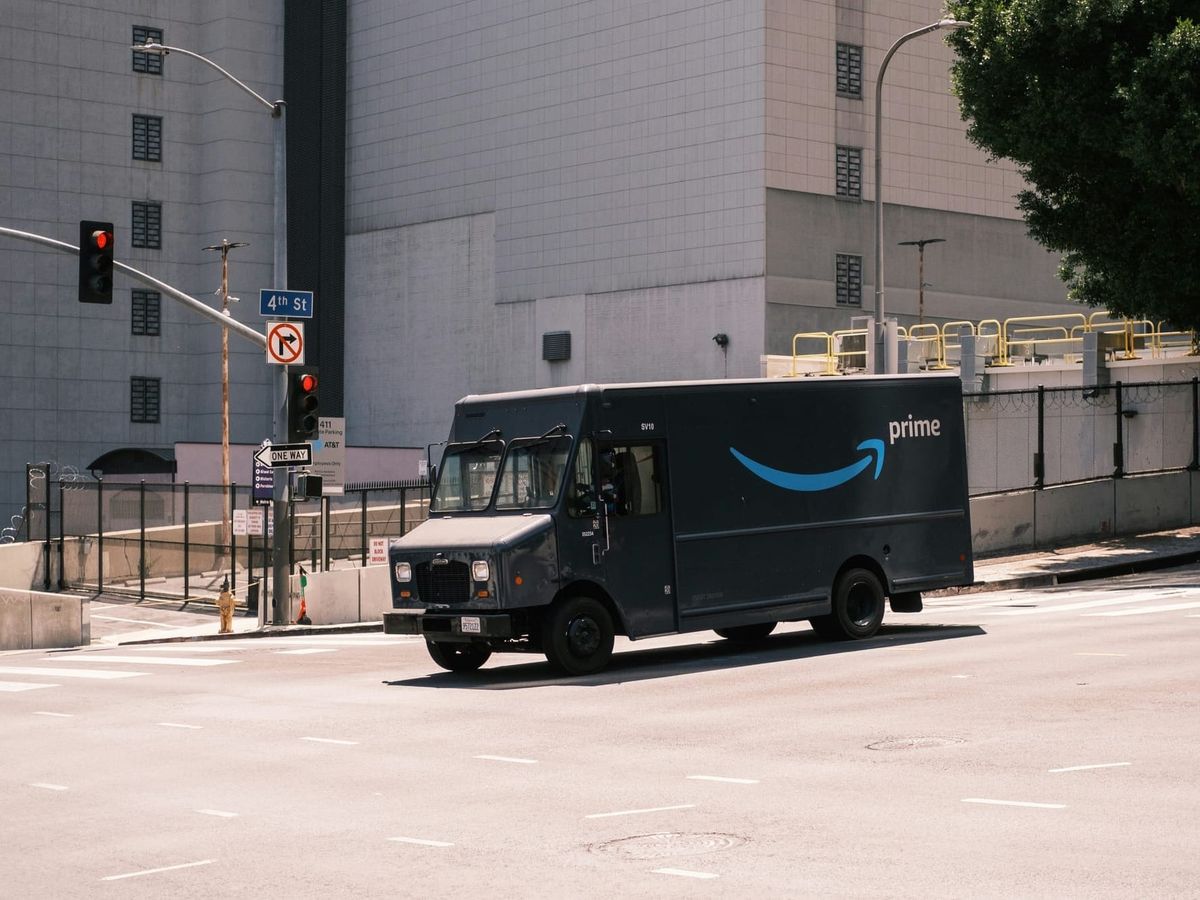
Amazon paid a trucking company more than $3.5 million to move trailers that never left their locations. The man behind the operation, 25-year-old Ameer Nasir of Trumbull, Connecticut, didn't have to deliver a single one. Instead, he manipulated Amazon's logistics system, created 23 trucking business accounts and billed the company for more than 1,000 fake transportation jobs.
That scheme has now landed Nasir in federal prison. He was sentenced to two years behind bars on October 7, followed by three years of supervised release. He must also repay Amazon $3,547,090.93. Let’s dive into how easily a logistics system designed to keep thousands of deliveries moving became the centerpiece of a multimillion-dollar fraud scheme.
23 trucking businesses but only one was real
Nasir exploited Amazon Relay, an online platform that connects trucking companies with transportation jobs. Amazon uses these contractors to move trailers between cities, warehouses and fulfillment centers.
Instead of registering one legitimate trucking business and taking on jobs, Nasir created 23 separate business accounts on the platform. Only one of them, Pak Express Transport, actually belonged to him. According to the Department of Justice, the remaining accounts were registered using fake business names or the identities of legitimate trucking companies that had no idea their names were being used.
That gave him multiple routes into Amazon's transportation network and access to a steady stream of assignments. Between December 2019 and February 2021, Nasir accepted more than 1,000 transportation jobs through these accounts.
How he convinced Amazon the deliveries were happening
Amazon's logistics operation relies on tracking systems to monitor the movement of trailers. Under normal circumstances, a transportation assignment should generate records showing when a trailer is picked up, moved and delivered.
Nasir allegedly found a way around that process. Rather than completing the assigned trips, he manipulated information in Amazon's transportation management system to make it appear that the trailers had been moved. He virtually checked trailers in and out of the system, creating records that suggested the jobs were completed.
He then submitted invoices for those supposedly completed assignments. Amazon paid them. The trailers also had GPS trackers, but reports on the case indicate that Nasir got around the tracking process using a manual override. This allowed him to keep the operation going without physically transporting the loads.
Amazon has since tightened its logistics checks
The case was investigated by the FBI with assistance from Amazon. Nasir pleaded guilty to wire fraud on March 6, 2026. Although the offense carries a maximum potential sentence of 20 years in prison, he received two years behind bars, followed by three years of supervised release. The court also ordered him to pay Amazon $3,547,090.93 in restitution.
Amazon has since strengthened its verification procedures, including requiring drivers to prove their identities and increasing trailer-tracking oversight. These are very important move, because Amazon's delivery operation is enormous. The company delivered approximately 6.7 billion packages in the United States in 2025, surpassing every other carrier, including the U.S. Postal Service.
Operations like Amazon's depends on thousands of transportation assignments, third-party trucking companies, digital records and payment systems working together. Nasir's scheme highlighted key security vulnerabilities that Amazon is now rushing to patch.