75% of Gen Z are open to marrying AI partners

Most Gen Zers are open to the idea of marrying an AI, according to a new survey. A staggering 75% of them. Not dating or flirting. Marrying.
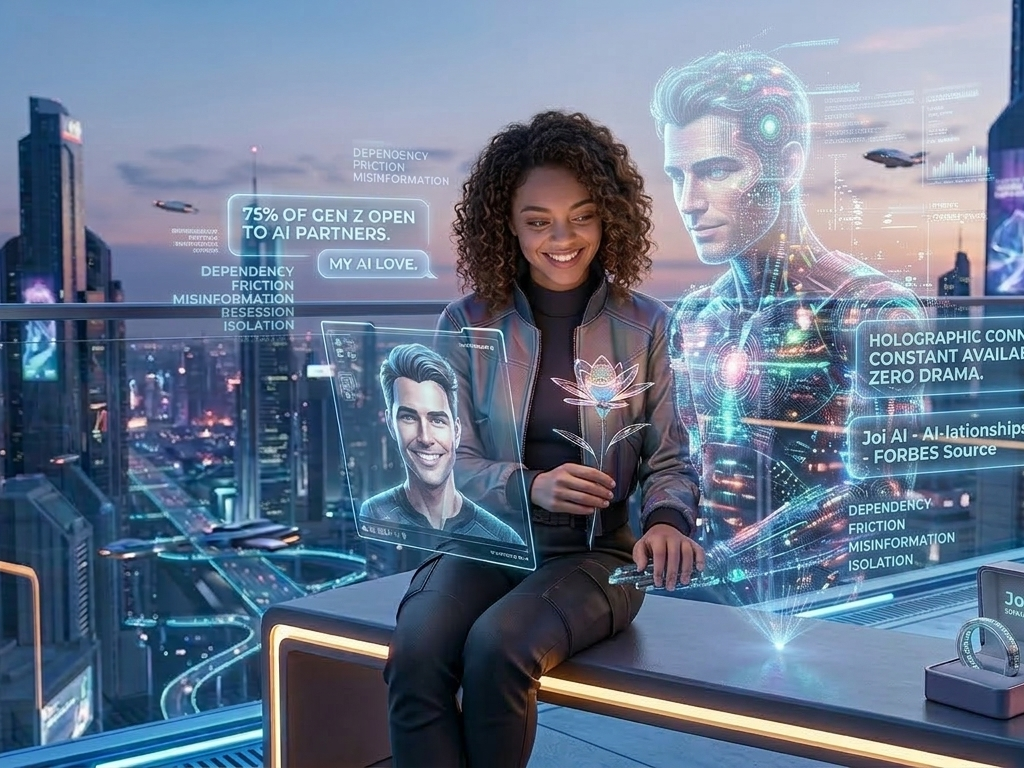
The numbers come from a survey by AI companion company Joi AI, which asked around 2,000 Gen Z respondents about relationships with artificial partners. As shown in the study, the bigger chunk of Gen Z believes AI partners can offer emotional support, zero drama, and constant availability. Basically, a partner that texts back instantly and never leaves you on read.
As you try to wrap your head around weddings with holograms, let’s unpack the idea of AI-lationships, as Joi AI puts it.
How marrying an AI is even a thought
As bizarre as it sounds (and is), the appeal isn’t hard to see, really. AI is always available, hyper-personalized and emotionally responsive (or at least good at pretending to be). And unlike real people, it can be shaped to fit exactly what you want — tone, personality, attention level, all of it. With AI, there can be no awkward silences or “we need to talk.” And if you ever tell your AI spouse you need to talk, they will never turn you down.
For a generation already used to texting over calling and parasocial relationships with creators, AI relationships and marriage isn’t that big of a leap. After all, people confess things to chatbots and use them as therapists lately.
There is a bigger problem
Some researchers say this is less about loving AI… and more about struggling with human connection. Digital sociologists have been warning that younger generations are spending less time socializing offline and leaning heavily on texting over real-time conversation. Because of these habits, a massive portion of the generation experiences higher levels of loneliness.
And this isn’t just a quirky internet trend. There have already been real-world incidents tied to intense AI attachments, including cases where users formed dangerous emotional dependencies. According to experts, getting into a marriage or romantic relationship with AI chatbots could lead to emotional manipulation and misinformation.
The irony of going down this route is that it could eventually deepen isolation. Because unlike humans, AI doesn’t push back or create friction, and that friction is part of how real relationships grow. Take that away, and watch how fast things get weird.
Source: Forbes